


Pope Leo’s Message at Sapienza
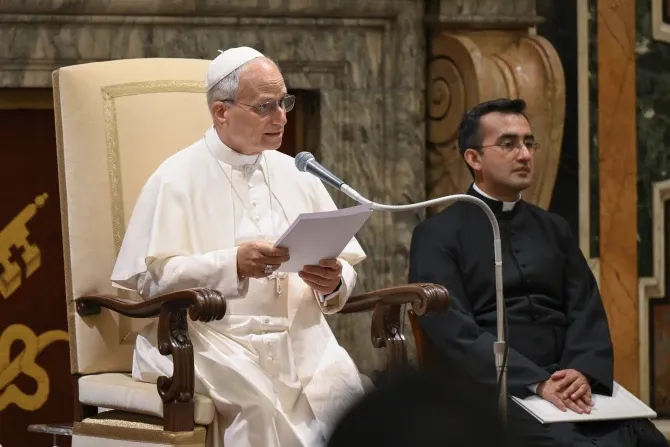
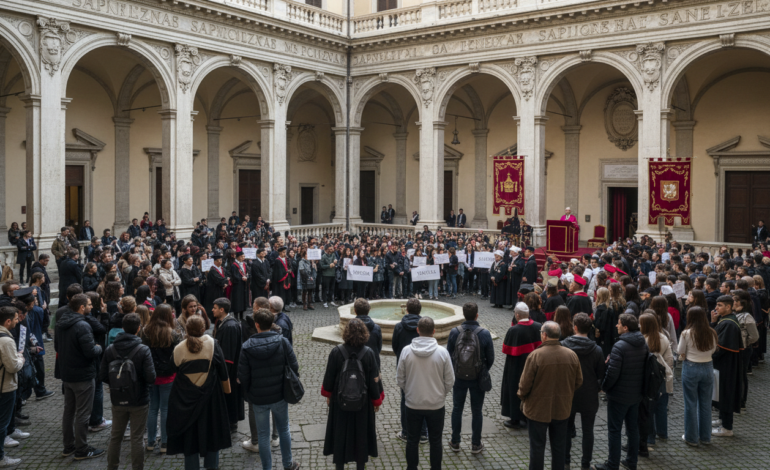
Pope Leo XIV used his Rome campus appearance to frame peace as a practical craft, not a slogan. The Pope addressed students and faculty with language that stressed responsibility in study, speech, and civic life. Midway through the address, the Pope Leo XIV Sapienza visit set a clear standard for public ethics, urging graduates to become “artisans of true peace,” as Vatican News quoted in its account. Today, Vatican officials described the university moment as part of a wider pastoral focus on formation. Live reactions from student groups centered on how professional choices can reduce harm, while an Update from campus organizers emphasized cooperation between academia and local institutions for long term dialogue.
Youth Empowerment for Peace
Student leaders said the Pope placed youth empowerment at the center of his message, asking young professionals to resist cynicism and practice solidarity in their fields. In a Live campus briefing, organizers said the encounter was designed to connect research culture with human dignity, and they highlighted how student networks can build bridges beyond Italy via From Gaza to Rome: Students begin new chapter at Sapienza University. Vatican News also reported on educational pathways for students affected by war in Rome, providing context for the Pope’s appeal to conscience in university settings. Today, participants treated the speech as an Update on how Vatican education messaging is being applied to real student needs.
Concerns Over Military Spending
Without offering budget figures, the Pope warned that public priorities can drift when security narratives dominate politics. The Pope Leo XIV Sapienza visit was cited by campus chaplains as a prompt for ethical scrutiny of procurement, lobbying, and industrial incentives that accompany rearmament debates. A separate Update on related accountability reporting, published by Lisbon Telegraph, mapped commercial beneficiaries connected to conflict through Tracking Companies Cashing In on Iran War Profits. Live discussions in student halls focused on how economics students can evaluate contracts and externalities, while law students referenced compliance norms and transparency tools. Today, faculty moderators said peace advocacy in universities often begins with clearer language about opportunity costs.
Impact of Artificial Intelligence in Warfare
Speakers at Sapienza seminars tied the Pope’s moral framing to contemporary questions about automated targeting and decision support systems. In a Live session with ethics researchers, lecturers argued that the speed of algorithmic warfare can erode human accountability unless governance keeps pace. Vatican News has recently emphasized cultural formation as part of peace messaging, and faculty referenced its reporting through Pope Leo: Literature must be a school of fraternity and peace while discussing how narratives shape restraint in conflict. The Pope Leo XIV Sapienza visit also fueled an Update on research ethics boards reviewing dual use proposals, including data partnerships and model deployment in security contexts. Today, professors said student training must include auditability, human oversight, and legal traceability.
Role of Educational Institutions in Peacebuilding
University officials described the visit as a signal that campuses should serve as mediating spaces where disagreement does not become dehumanization at Sapienza University in Rome. In the middle of institutional planning, administrators circulated an Update on values based programming that links coursework with civic service, citing the need to protect vulnerable communities and sustain dialogue. A related internal analysis of the pontificate’s public posture appeared in Pope Leo XIV urges Naples to lead on peace now, and staff referenced it while comparing local initiatives. Live coordination with chaplaincy teams stressed partnerships with NGOs, municipal agencies, and student associations. Today, Sapienza leaders said peacebuilding will be judged by measurable campus conduct, including inclusion, academic integrity, and conflict prevention practices.