



Vatican Raises Concerns Over Food System Challenges
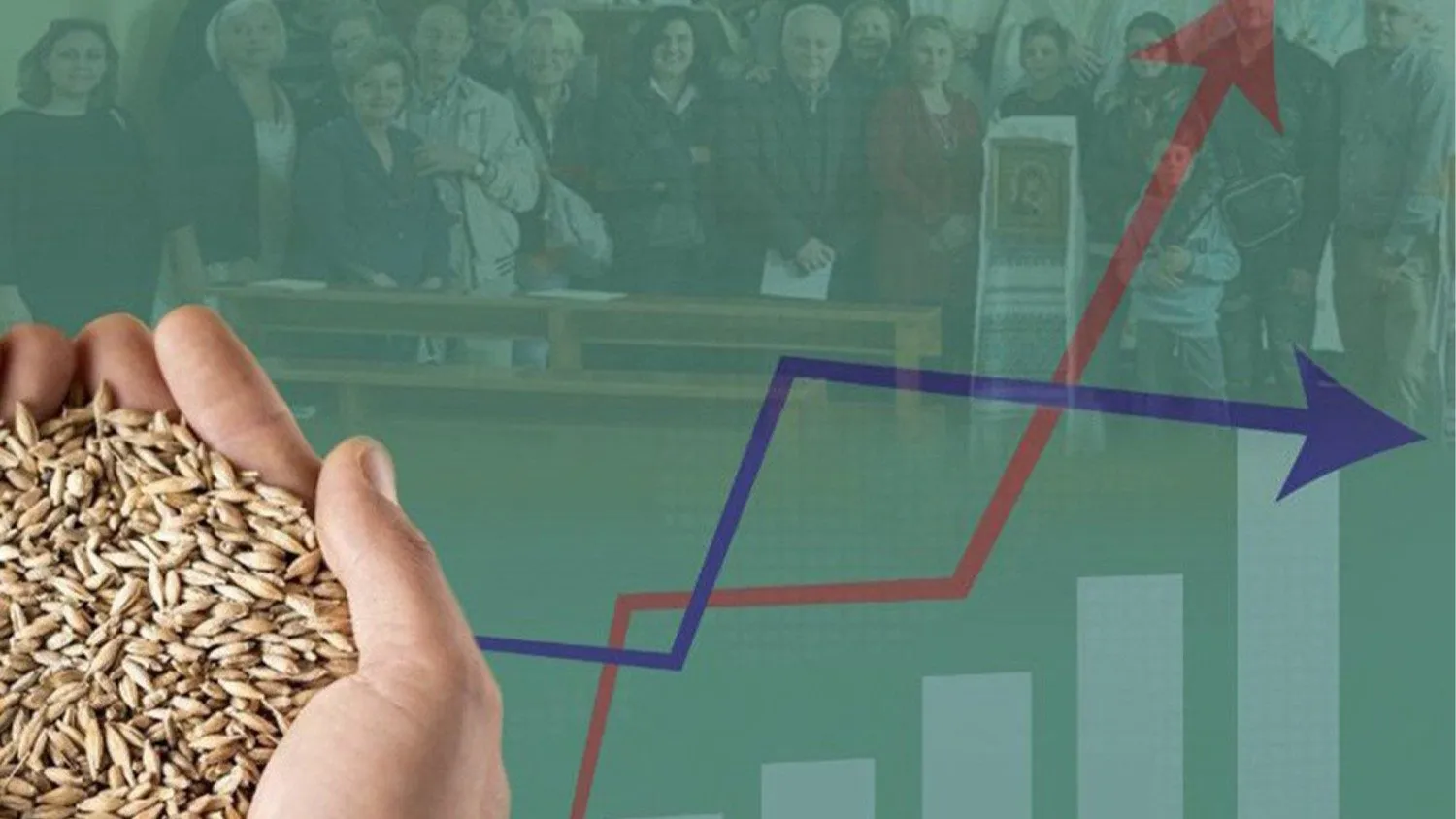
Diplomats at the Holy See are pressing governments to treat hunger risks as a peace issue, not only a market problem. In a Today briefing to partners working on agriculture and development, officials framed food access as an immediate test of human dignity in fragile regions. They stressed that Vatican food security concerns are tied to current conflict disruptions and mounting pressure on agrifood systems, where farmers and consumers are facing sharper volatility. Live monitoring by humanitarian agencies is shaping the same message, that food shocks now spread faster across borders and supply chains. An Update from Church backed relief networks also highlights widening gaps between emergency aid and long term recovery.
Understanding the Impact of War on Food Security
War is cutting into planting, transport, and market access in ways that are showing up in daily price signals and empty shelves. A Today snapshot circulated among Catholic relief partners described blocked routes, damaged storage, and reduced access to fertilizers, with immediate consequences for families. For context on how conflict linked profiteering is tracked, analysts have pointed to Tracking Companies Cashing In on Iran War Profits as one example of scrutiny of wartime incentives. Vatican food security messaging is also being reinforced by field education and integration efforts reported by Vatican News on Gaza students arriving in Rome, which links displacement to disrupted livelihoods. Live aid logistics remain constrained where front lines keep shifting.
Climate Change: A Growing Threat to Agrifood Systems
Extreme climate events are now being treated by Vatican officials as a parallel shock, capable of collapsing yields even far from conflict zones. A Today exchange with agriculture observers emphasized that drought, heat, and sudden floods are degrading soils and raising pest pressure, with knock on effects for nutrition and rural employment. In this context, Vatican food security warnings focus on how climate events can overwhelm agrifood systems that already operate with thin margins. Live crop assessments, shared by humanitarian coordinators, are increasingly used to time interventions before households resort to selling assets. An Update from Church relief contacts also notes that climate driven displacement can intensify local competition for land and water, eroding social cohesion.
Holy See’s Calls for Global Peace and Cooperation
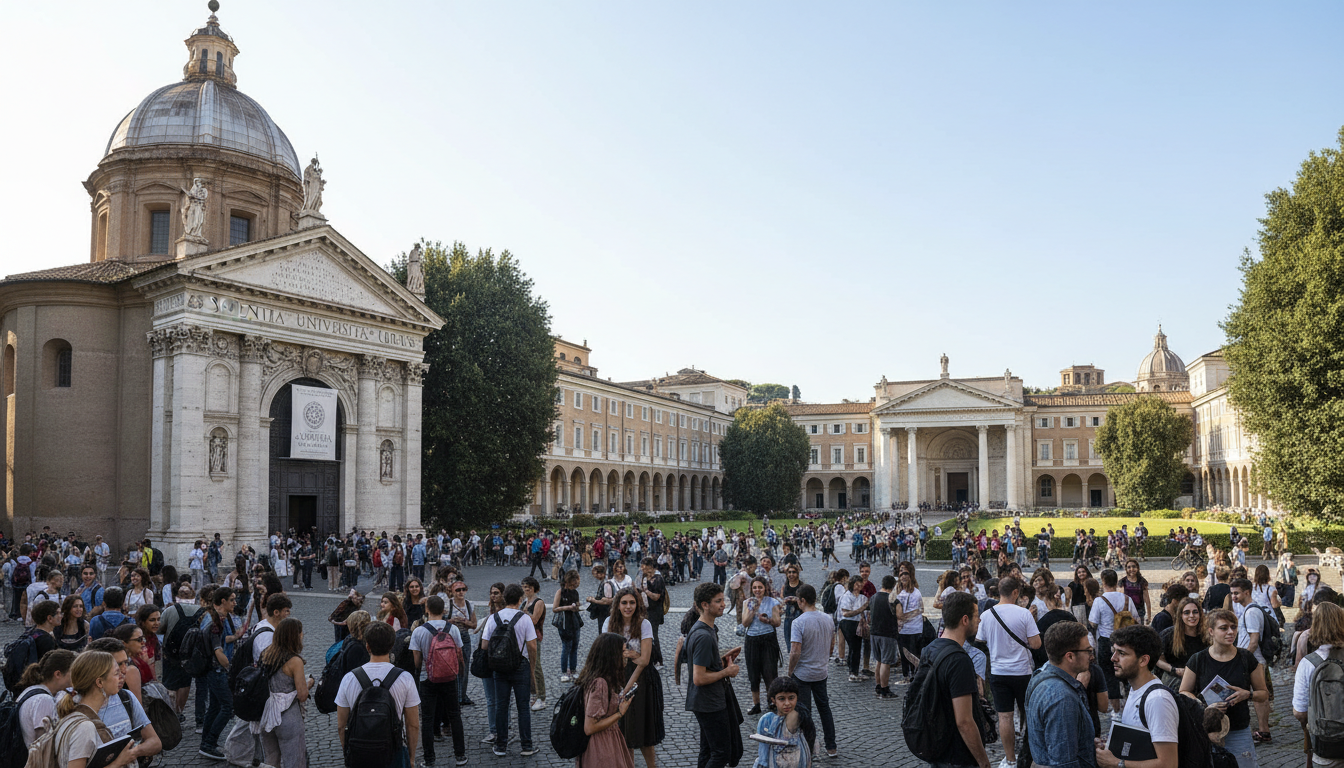
The Holy See is urging negotiators and donor governments to align peacebuilding with food and agriculture policy, arguing that hunger prevention starts with de escalation and trust. A Today readout from Vatican communications pointed to the need for cooperation that protects civilians and keeps trade corridors functioning, while safeguarding human dignity in camps and host communities. Coverage by Vatican News on Pope Leo at Sapienza University echoed the Vatican emphasis on becoming artisans of peace, a theme diplomats are applying to rural resilience. Church analysis in Pope Leo XIV urges Church to confront injustice has also framed structural injustice as a driver of food insecurity. Live engagement with regional mediators continues as new talks open and stall.
Strategies to Secure Sustainable Food Supplies
Policy staff close to the Holy See say the practical agenda is to stabilize access while lowering exposure to shocks, especially for smallholders and low income urban buyers. A Today policy note shared among Catholic development groups emphasized protecting harvests through safer storage, diversified sourcing, and targeted support for local markets so that agrifood systems do not fail under pressure. They also highlighted cash based assistance and school feeding as tools that preserve human dignity when prices spike, provided they are coordinated with local producers. Vatican food security messaging adds that peace commitments should be paired with transparent, predictable financing for adaptation after climate events. Live coordination between diocesan agencies and national authorities in Rome is being refined, and an Update cycle is expected as planting seasons shift.