


Archbishop Condemns Attacks
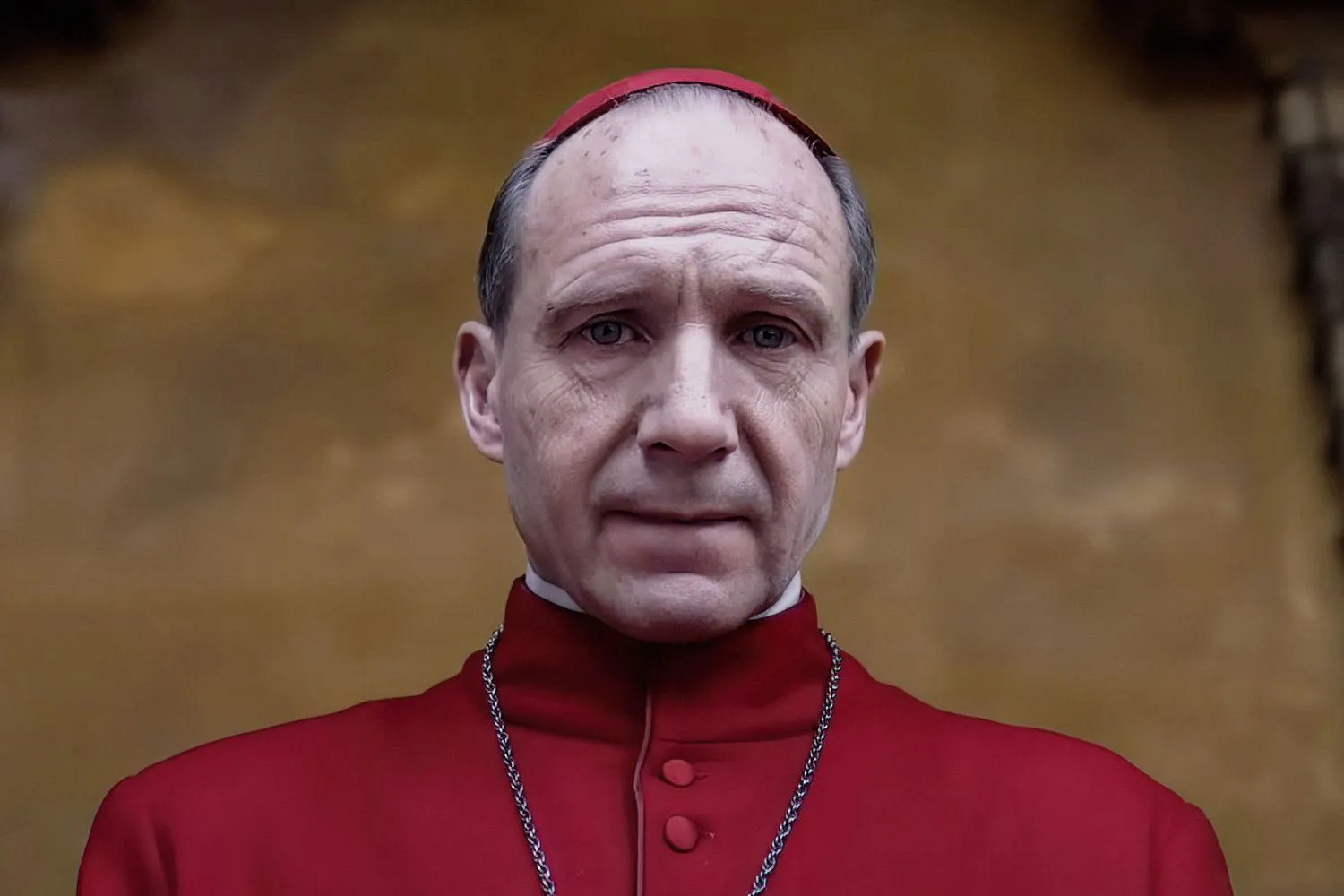
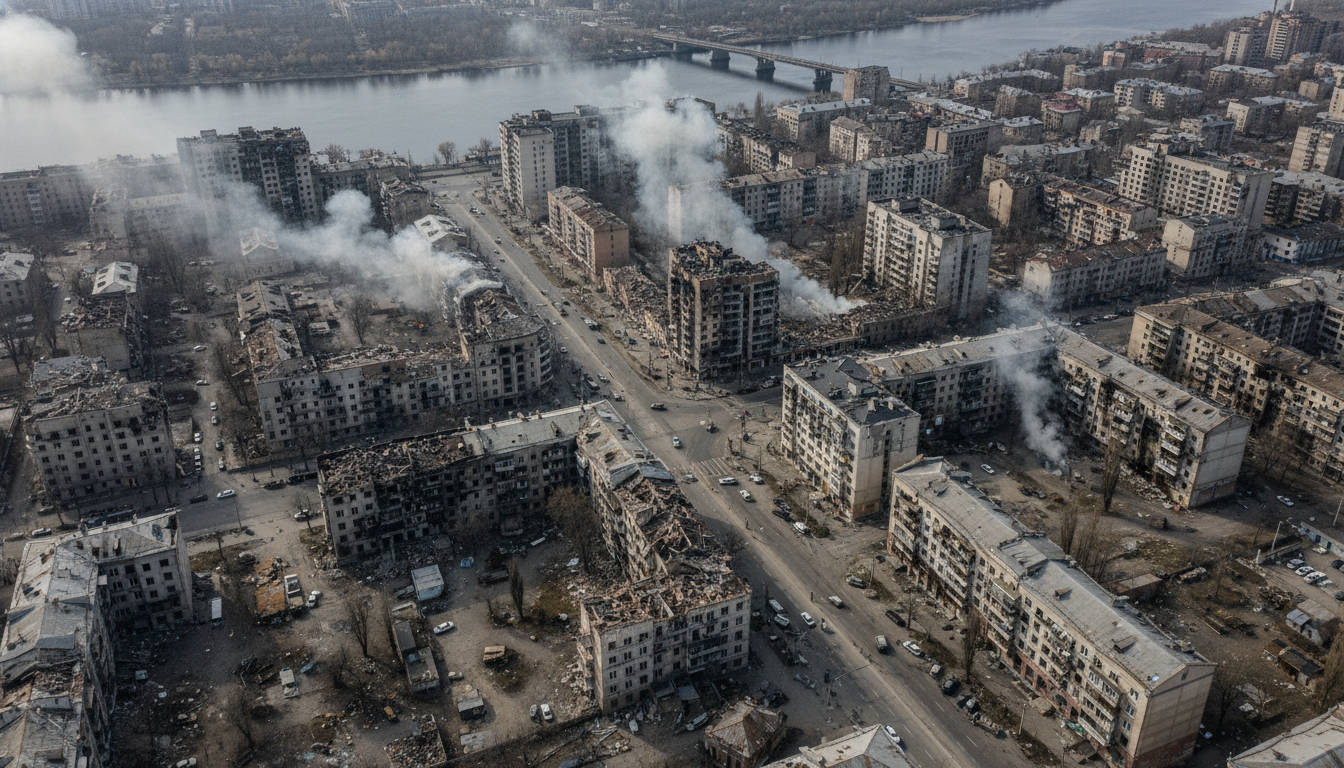
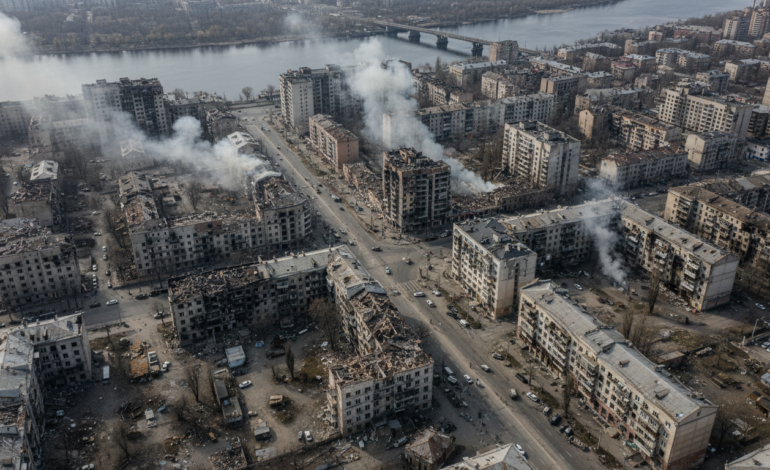
Archbishop Visvaldas Kulbokas, the Apostolic Nuncio in Kyiv, condemned targeted strikes that hit areas linked to relief operations and civilian sheltering. In remarks carried by Vatican News, he said the pattern of heavy bombardment points to a lack of intention to stop the war, and he urged protection for noncombatants under international humanitarian law. Today, church and civil volunteers described trauma among families moving between damaged neighborhoods and temporary refuge sites. Kulbokas framed the issue as a moral emergency with immediate consequences for civilians and for those trying to keep basic services running. Live communication with local parishes has focused on verifying needs, contacting medics, and helping displaced people find safer routes.
Impact on Humanitarian Efforts
Relief groups say repeated strikes near logistics corridors slow deliveries and raise costs, even when supplies are ready to move. The immediate effect in the Ukraine conflict is fewer safe windows for convoys and more time spent rerouting around damaged roads. Vatican News published Kulbokas comments in an interview titled Nuncio to Ukraine interview on heavy attacks, where he described how civilians experience insecurity as a daily condition. One Live volunteer network coordinator said teams now split shipments into smaller loads to reduce risk, a shift described by Caritas staff in local briefings. For readers tracking an Update cycle, a related policy angle on accountability debates appears in UN denies Ratko Mladic bid to leave Hague jail, reflecting ongoing attention to war crimes processes.
Vatican’s Position on the Conflict
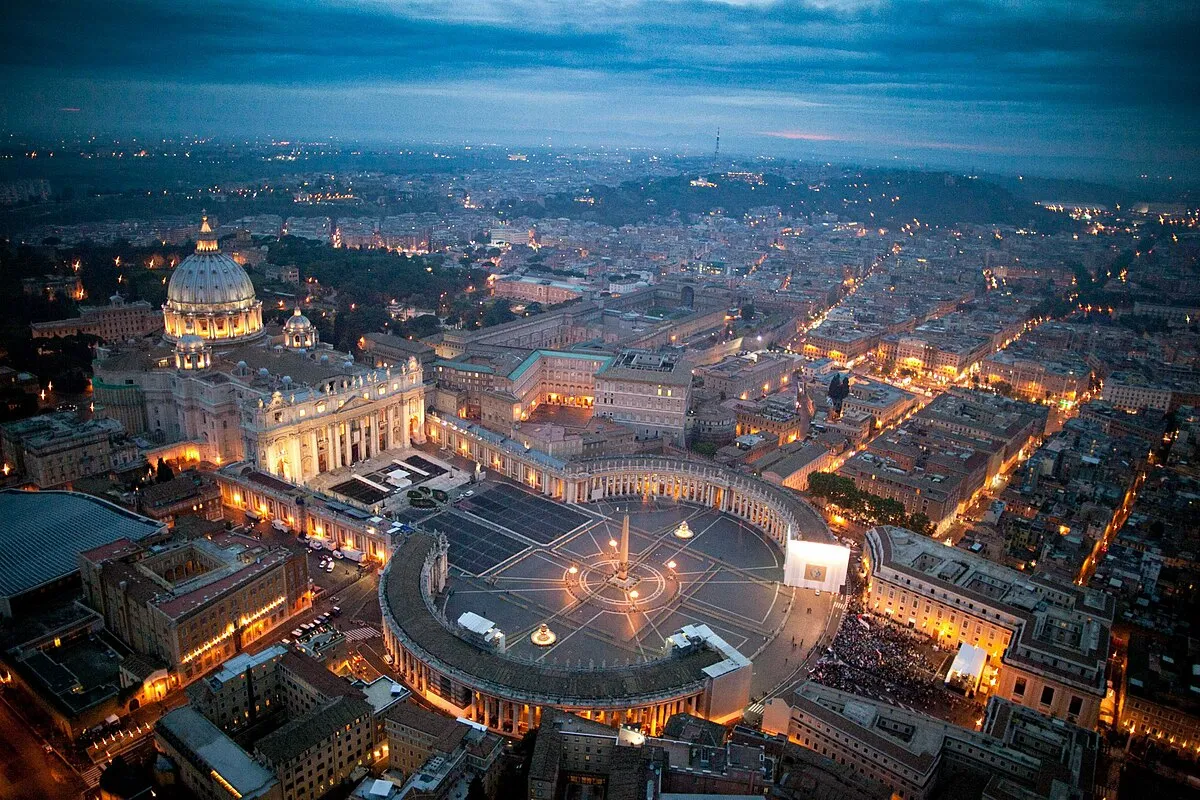
Officials in vatican city have emphasized that safeguarding civilians and humanitarian workers is not optional, and Vatican diplomacy keeps channels open for practical protections. The Holy See position focuses on cessation of violence in the Ukraine conflict, prisoner exchanges, and space for aid delivery without intimidation. Today, Vatican sources pointed back to consistent public messaging: condemnation of attacks on civilians, encouragement of negotiations, and pastoral support for communities under fire. Coverage linked to pope leo has highlighted the church priority of fostering hope while naming harm clearly, and his broader approach to public witness has been noted by Vatican News in Pope Leo XIV commends witness of hope. Live contacts between the nunciature and diocesan offices have also produced an Update stream of needs for shelter, medicine, and trauma care.
Response from Global Leaders
Diplomats and heads of government have continued to weigh sanctions, air defense assistance, and humanitarian financing, while also pressing for respect of international humanitarian law. Live monitoring missions and public statements differ by capital, but the central demand is consistent: do not target civilians or relief infrastructure. In the Ukraine conflict, Kulbokas remarks add a Vatican diplomatic voice to that push, with a focus on the human toll rather than battlefield narratives. Today, several humanitarian organizations have reiterated operational requirements for safe passage, and they have called for clearer deconfliction mechanisms. A parallel Update on Vatican engagement with peace efforts can be seen in Gallagher on Vatican peace diplomacy, which outlines how the Holy See frames mediation and confidence building as concrete tools rather than slogans. Governments also continue discussing reconstruction commitments contingent on security conditions.
Seeking Solutions and Peace
Church leaders are urging steps that can be verified quickly: protected corridors, reliable notification channels, and safeguards for medical and relief sites. Today, Archbishop Kulbokas has asked that the suffering of civilians not be treated as a secondary issue, and he has linked moral clarity to policy choices that reduce harm. For humanitarian aid actors, the most urgent needs are predictable access, security guarantees, and communications that allow routes to be adjusted before convoys move. Live parish reporting has helped map vulnerable groups, including elderly residents unable to travel, while an Update process coordinates transport, temporary housing, and psychological support. Vatican city officials continue encouraging dialogue initiatives that prioritize human life, while pope leo has signaled that peace efforts must remain grounded in truth, justice, and protection for the defenseless.