


The Purpose of the AI Commission
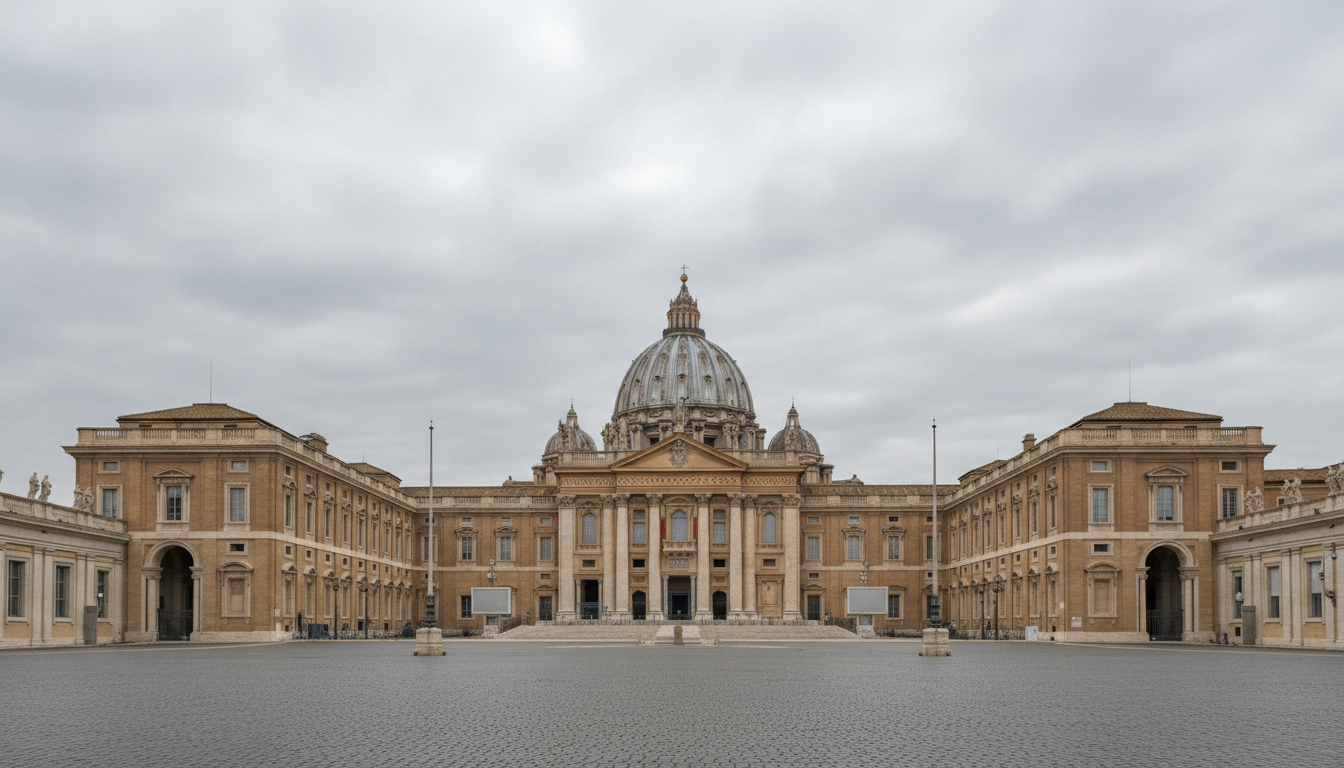
Today the Holy See formalized a new governance structure for fast moving machine learning tools inside the Roman Curia. In a decree released by the Vatican Secretariat of State, Pope Leo XIV approved the Interdicasterial Commission on Artificial Intelligence with a mandate to coordinate policy across dicasteries. Officials said the Vatican AI commission will screen proposed uses for doctrinal coherence, privacy compliance, and risks to vulnerable groups, and it will issue an internal Update cycle for offices that deploy new systems. The commission is also tasked with drafting guidance for procurement and vendor oversight, so Live pilots in communications, archives, and administration follow consistent standards. The initial remit focuses on practical controls rather than broad theory.
How Pope Leo XIV Views AI
Live attention is centered on how Pope Leo XIV frames AI as a moral and pastoral challenge rather than only a productivity tool. In the Vatican note, spokespeople said he wants Church technology to be evaluated by human dignity, subsidiarity, and accountability, language consistent with recent Vatican social teaching. As a parallel case in the consumer market, TechCrunch detailed how generative systems can reshape media workflows in its report on Amazon Alexa feature generating podcast episodes, illustrating why the papal concern extends to persuasion and trust. Today the pope is also seeking a standing process for ethical review so each Update does not start from zero. That approach signals continuity, even as tools change quickly.
Vatican’s Technological Vision
Today officials describe the new body as interdicasterial to avoid siloed decisions, especially where data flows across communications, diplomacy, and records management. The Vatican AI commission is expected to set baseline rules for data retention, training material, and human oversight in translated texts and automated summaries, areas where subtle errors can travel widely. A separate context piece on digital asset security at Lightweight Blockchain Boosts Smart NFT Security shows how governance debates spill into adjacent fields, and Vatican planners are watching these discussions as they map safeguards for provenance and authenticity. Live testing will be permitted only with clear audit trails, Vatican officials said, and each Update will be routed through the commission before broader deployment. The emphasis is on institutional reliability, not experimentation for its own sake.
Responses from Global Catholic Leaders
Live reactions from bishops and Catholic educators have focused on whether the commission will produce practical tools for dioceses, seminaries, and Catholic media. Some leaders point to earlier Vatican documents on digital culture and insist this effort must translate into implementable checklists and training, not only principles. In coverage that ties ethics to real world conflict communications, Gallagher in Cape Verde on Vatican peace diplomacy underscores how messaging discipline matters when diplomacy is at stake, and several church officials say AI text generation raises parallel risks of misquotation and escalation. Today many Catholic universities are drafting campus rules for generative systems, and they want an Update stream that aligns curricula, plagiarism policy, and pastoral care. The strongest calls are for clarity on accountability when AI assisted outputs are wrong.
Future Implications for Church Doctrine
Today Vatican theologians and canonists are watching for how the commission distinguishes technical assistance from delegated judgment in sacramental, disciplinary, and catechetical contexts. The Vatican AI commission is not presented as a doctrinal authority, but officials say it will advise dicasteries that do hold competence, especially when automated tools touch teaching documents, translations, or sensitive case files. Live concern is highest around authenticity, because synthetic audio or fabricated quotations can damage credibility quickly if attribution controls are weak. Any future norms, Vatican sources said in the decree, will be routed through established channels so doctrine remains grounded in the magisterium, not in vendor capabilities. An Update oriented process may also shape how bishops conferences frame national guidance, keeping local experimentation within common parameters. The commission’s real test will be preventing quiet normalization of automated judgments.