




Pope Leo’s Address to Bankers
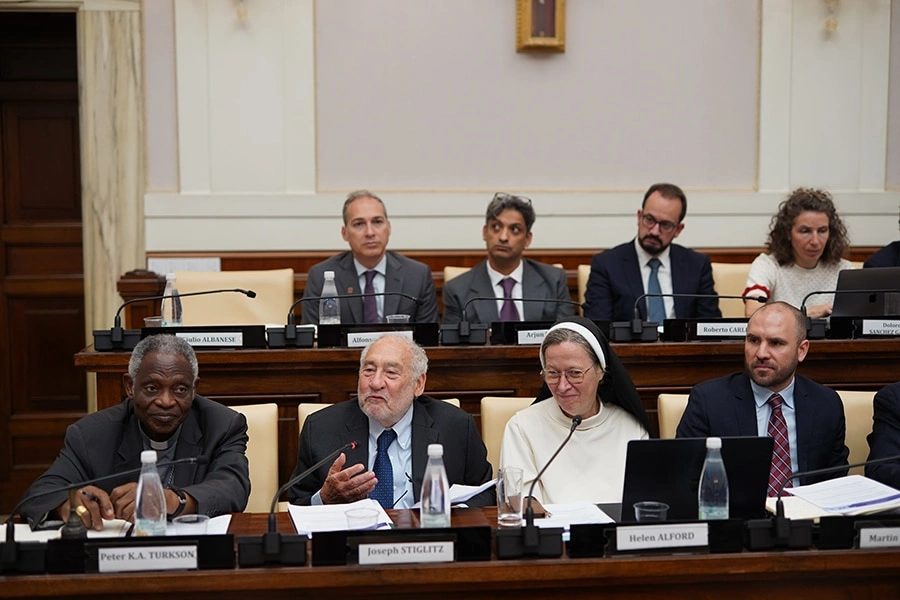
Pope Leo XIV used a Vatican gathering with financial leaders to press for decisions that protect families and small firms under tightening credit conditions. In the second half of his remarks, he framed the pope leo xiv consistory as a test of whether finance serves the common good or narrows into mere performance metrics. Today, aides said the address was circulated to industry associations so it can inform board level policies rather than remain ceremonial. He urged banks to treat debt distress with prudence and mercy, and to avoid practices that hide risk by shifting it onto households. The call focused on accountability, not slogans, with the emphasis placed on concrete lending behavior and transparent pricing.
The Role of Technology in Modern Banking
Executives listening in Rome described the fastest pressure point as automation that can approve or deny credit in seconds, often without a human review. In the discussion, Pope Leo XIV linked that speed to responsibility and he pressed for explainable decisions, so customers can contest outcomes and avoid silent exclusion. Live debates in European policy circles echo that concern as banks expand remote onboarding and continuous monitoring. For a wider technology lens, readers tracking tokenized finance can compare security tradeoffs in Lightweight Blockchain Boosts Smart NFT Security, which outlines how design choices affect risk. The BBC has also covered market sensitivity when geopolitics shifts, as in Jitters on oil and bond markets as US-Iran peace talks stall, a reminder that models must handle shocks.
Balancing Innovation with Humanity
Vatican officials said the Pope stressed that compliance cannot become a substitute for judgment, especially when vulnerable borrowers face sudden income changes. He referenced pope leo xiv bank call language about keeping counsel close to the customer, arguing that front line discretion can prevent harm that a rigid rule set might amplify. Today, consumer advocates in several countries are pushing similar standards, urging banks to disclose how scoring systems weigh employment gaps and medical costs. Update memos shared with Catholic business groups highlighted that fairness audits should be routine and independently tested, alongside examples cited in Gallagher in Cape Verde on Vatican peace diplomacy. The Pope framed these concerns as practical governance, not abstract moralizing.
Impact on the Greater Catholic Community
Diocesan charities and Catholic credit unions are treating the address as operational guidance, particularly for emergency lending and debt mediation. Organizers connected the message to pope leo xiv dilexi te themes of steadfast love expressed through institutions that absorb some risk to protect the poor. Live from several episcopal conferences, communications directors said they will distribute a short briefing to parishes that run microloan or rent support programs, aiming to align eligibility rules with dignity and privacy. The Pope also alluded to pope leo xiv via crucis imagery to describe how financial strain can isolate people, especially when services move entirely online. Update plans include training for volunteers who help migrants and the elderly navigate digital banking while protecting them from fraud. The emphasis stayed on measurable support rather than symbolic gestures.
Future Directions for Financial Ethics
Policy specialists close to the Holy See said the next step is sustained dialogue with regulators and bank supervisors on transparency, inclusion, and consumer recourse. In a second reflection on the pope leo xiv consistory, advisers argued that ethics should be evaluated like risk management, with clear indicators and board oversight. Today, that approach fits with supervisory trends that test banks for operational resilience and conduct risk, not only capital adequacy. Live coordination is expected with Catholic universities that teach finance, so case studies can examine real lending outcomes and fees, not hypothetical dilemmas. Update commitments discussed in Rome included stronger complaint channels, clearer language for borrowers, and incentives that reward long term customer health. The Vatican message positioned these as safeguards that stabilize markets by building trust.