



Vatican’s New AI Commission Focus
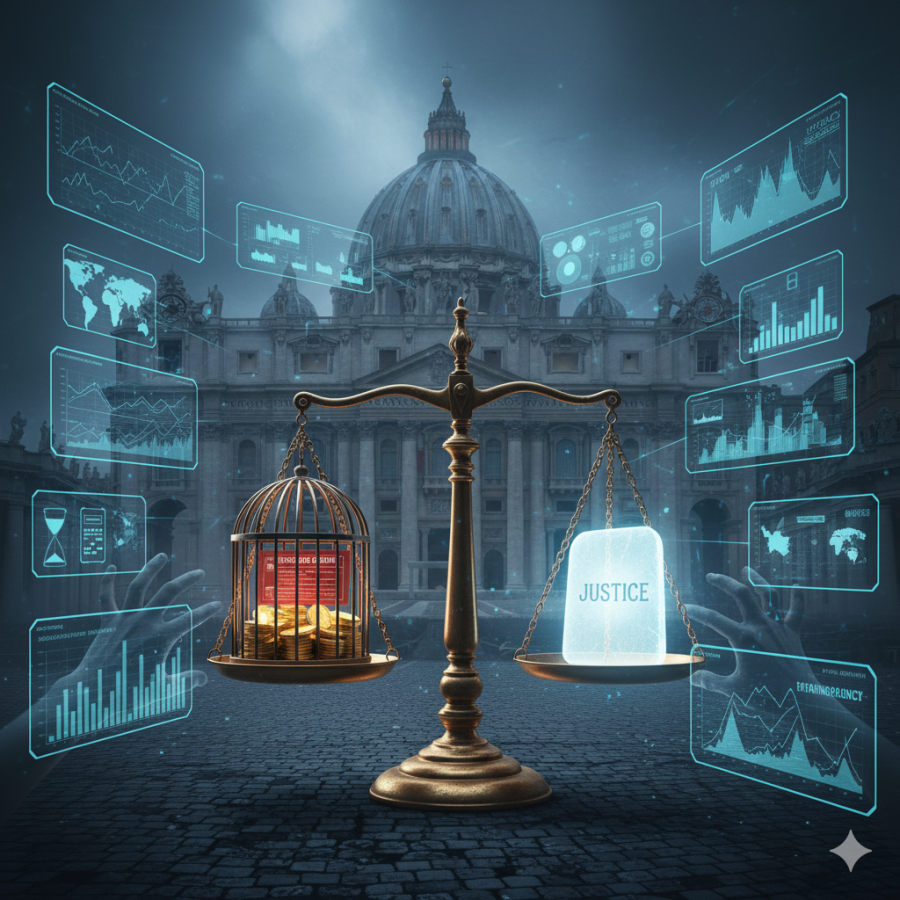
Pope Leo XIV has moved quickly to formalize the Holy See’s work on artificial intelligence through a new commission that will coordinate policy across dicasteries. The announcement was carried in the source headline and treated as an institutional step, rather than a one off initiative, in how the Vatican engages emerging systems. In the first set of tasks, the Vatican AI commission is expected to map immediate risk areas, including automated decision making, biometric surveillance, and content generation affecting public trust. Today officials are framing it as a governance body that can issue guidance as fast as technology cycles demand. Live briefings are expected to accompany early meetings to clarify scope and participants.
Pope Leo’s Vision for Technology
In internal messaging described by Vatican communications channels, Pope Leo XIV is linking church technology priorities to human dignity, worker impacts, and transparency obligations. The commission’s mandate is being presented as an operational bridge between moral theology and technical oversight, not a symbolic committee. A parallel Update track is expected to evaluate how AI tools are used in Catholic media, schools, and charities, including safeguards around data collection and consent. The Vatican AI commission is also positioned to compare approaches taken by regulators and industry, using current cases as reference points. For context on how fast product capabilities are moving, TechCrunch detailed new consumer features in Amazon Alexa powered feature generating podcast episodes. Today, the Vatican is signaling it wants a standing capacity to respond in near real time.
Impact on Church and Society
Beyond internal governance, the commission is likely to influence how bishops’ conferences frame guidance for public policy debates, especially where automation reshapes employment, elections, and social services. A Live focus is emerging around institutional credibility, with Vatican officials emphasizing that ethical guardrails need measurable practices, such as audit trails and clear accountability for harms. The Vatican AI commission can also shape Catholic engagement with technology markets that overlap with digital ownership and identity systems. Related coverage in NFT Market Forecast: Digital Art Demand and AI shows how AI is already entangled with questions of provenance and manipulation, themes church communicators track closely. An Update cycle is expected to reflect feedback from Catholic universities and lay experts. The goal is a public facing framework that policymakers can cite without diluting doctrine.
Challenges and Opportunities
The main challenge will be keeping normative statements aligned with rapidly shifting technical realities, including model fine tuning, synthetic media, and cross border data transfers. Vatican governance also must avoid fragmentation, since different dicasteries oversee education, communications, and social development. Today, advisors are expected to stress practical compliance tools alongside moral language, because implementation determines credibility. The commission can also learn from security incidents in open source ecosystems, where governance and transparency often collide with commercial pressure, as TechCrunch reported in Grafana Labs ransomware refusal after code theft. A distinct opportunity is convening experts who can translate technical risks into pastoral guidance. Coverage on diplomacy priorities, including Vatican peace diplomacy in Cape Verde, signals how the Holy See often operationalizes ethics through sustained dialogue rather than one time statements.
Future Prospects and Goals
Near term, the commission’s success will be judged by whether it can publish clear principles with enforceable recommendations that Catholic institutions can adopt without delay. Live monitoring of AI deployments in schools, diocesan administration, and charity operations is expected to become routine, with periodic Update notes that clarify what changes as tools evolve. Vatican officials have indicated they want continuity with prior Holy See reflections on digital culture while tightening the practical standards for procurement, data handling, and communications integrity. Today, the emphasis is on establishing a repeatable process for review, consultation, and revision so guidance does not stagnate. The commission will also likely cultivate relationships with universities and standards bodies to keep expertise current. Over time, its work could become a reference point for other faith communities seeking structured governance rather than ad hoc reactions.