





Why magnifica humanitas pope leo matters now
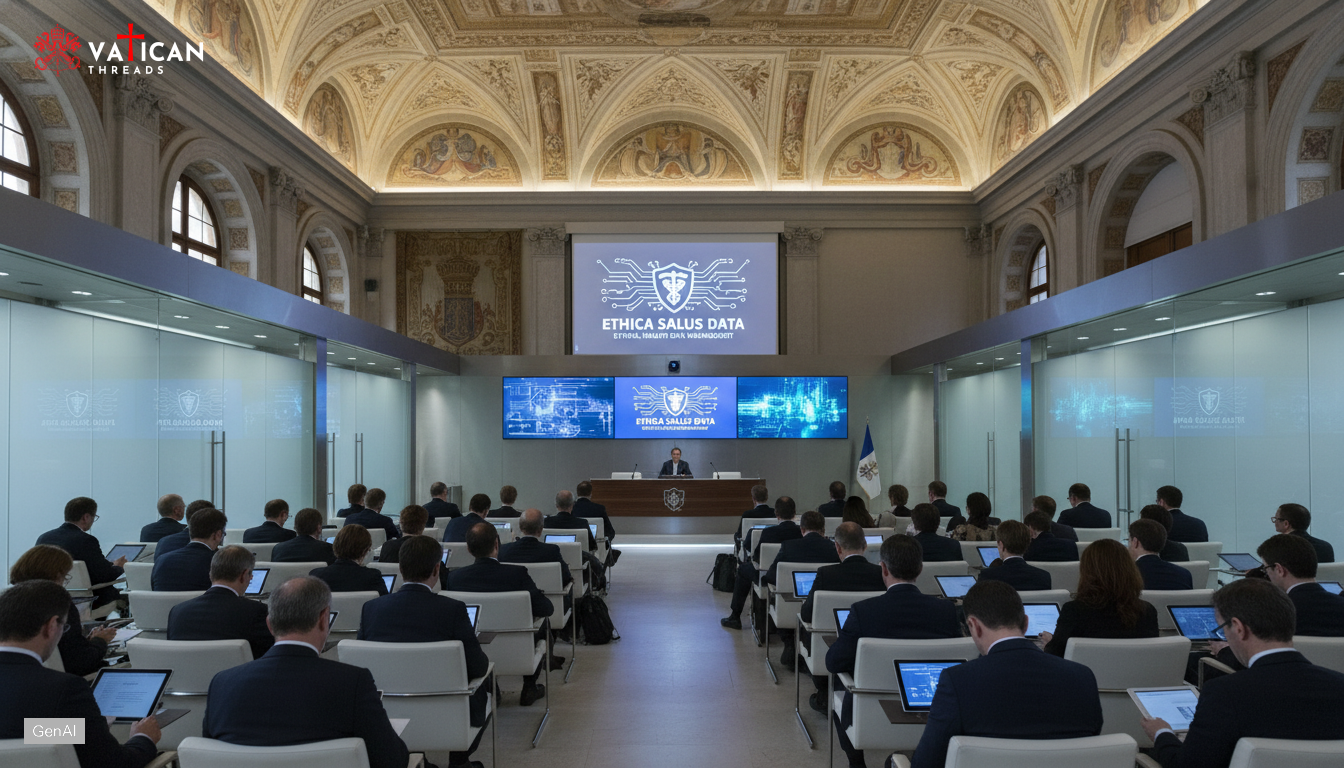
Magnifica humanitas pope leo is being discussed by some Catholic commentators as a practical guide for institutions facing automated decisions in schools, hospitals, and public services. According to reports in Vatican News on 5 June 2026, the encyclical is presented in connection with concerns about people pushed to the margins, and Indian Church leaders have been reported as pointing to the document when discussing dignity and responsibility in technology use. Read in that light, the text is commonly summarized as urging that responsibility remain with identifiable persons and accountable institutions, rather than being treated as something that disappears into a model or vendor contract. It is also often described as warning against treating efficiency as the only metric when outcomes land on workers, migrants, and the poor. This framing is influencing how some dioceses explain AI ethics to clergy and lay professionals.
The encyclical’s key messages on dignity and labor
In summaries and commentary about magnifica humanitas pope leo, the encyclical is described as treating human dignity as a constraint that should shape procurement and deployment choices. It is frequently paraphrased as encouraging leaders to ask what an algorithm optimizes, what data it relies on, and who can intervene when errors harm a person’s livelihood or reputation. Cardinal Anthony Poola’s remarks are referenced in Vatican News-related coverage and summaries, and are often characterized as reinforcing that accountability should be traceable, especially where automated screening affects access to work, benefits, or services; for background, see Pope Leo XIV and magnifica humanitas for ethical AI, and readers should consult the original reporting for exact wording and context. Overall, the takeaway presented by supporters is that remedies should be real and decision-making should be understandable to those affected.
Impact on Indian society and Catholic institutions
In India, some dioceses and Catholic organizations say they are tightening oversight of digital services used in catechesis, education, and social outreach, particularly where biometric or behavioral data could be reused outside its original purpose. A Vatican perspective on the encyclical’s social emphasis is reflected in Vatican News analysis on rejected stones, which links the document to people pushed to the margins. Administrators involved in procurement discussions say requirements are moving toward clearer documentation of what a tool does and who audits it, though practices vary by institution. Lay lawyers and engineers also cite Catholic social teaching in arguments for stronger consent and grievance channels, according to anecdotal accounts from church-affiliated forums and policy discussions. For a related look at workplace confusion when AI is rolled out without clear ownership, see AI rollout challenges leave UK staff unsure at work.
Doctrinal challenges and governance of AI tools
Doctrinal offices and formation programs are described by church observers as trying to balance support for beneficial tools with resistance to moral outsourcing to automated systems. Commentary on magnifica humanitas pope leo often interprets the encyclical as insisting discernment should not be reduced to probability scores; theologians and educators apply that principle to areas like automated content moderation, predictive policing, and welfare eligibility, as examples discussed in broader AI ethics debates. Reports from seminaries and educators indicate some curricula are being updated to address machine-mediated persuasion and deepfake manipulation as formation issues for priests and pastoral workers, though the scope and timing differ by country and institution. Related reporting on institutional safeguards includes Pope Leo XIV urges health data protection safeguards. Governance is widely described as moving toward defined review roles, documentation standards, and escalation paths when a tool conflicts with conscience, law, or Church teaching. The aim is often framed as moral clarity that can be reviewed and enforced.
Future directions: from statements to measurable safeguards
Implementation is described by practitioners as shifting from principles to routines, with some dioceses and Catholic NGOs formalizing review boards and incident reporting for algorithmic harms. Some institutions have indicated that the encyclical’s themes are being reflected in contract clauses that require audit rights, data minimization, and human review for high-stakes decisions, although these measures are not uniform across the Catholic sector. For Catholic health and research institutions, earlier Vatican guidance on data safeguards is being revisited alongside this teaching, including Vatican health data ethics: standards for research as a reference for policy alignment. The next stage, according to administrators and trainers, is education so clergy and staff can recognize when technology is making judgments that should remain subject to conscience and law. Durability will depend on whether commitments become measurable practices, with clear ownership and documented outcomes, as magnifica humanitas pope leo continues to be referenced in governance discussions.