


Pope Leo XIV and magnifica humanitas for ethical AI


Who is Pope Leo XIV and what he is saying about AI
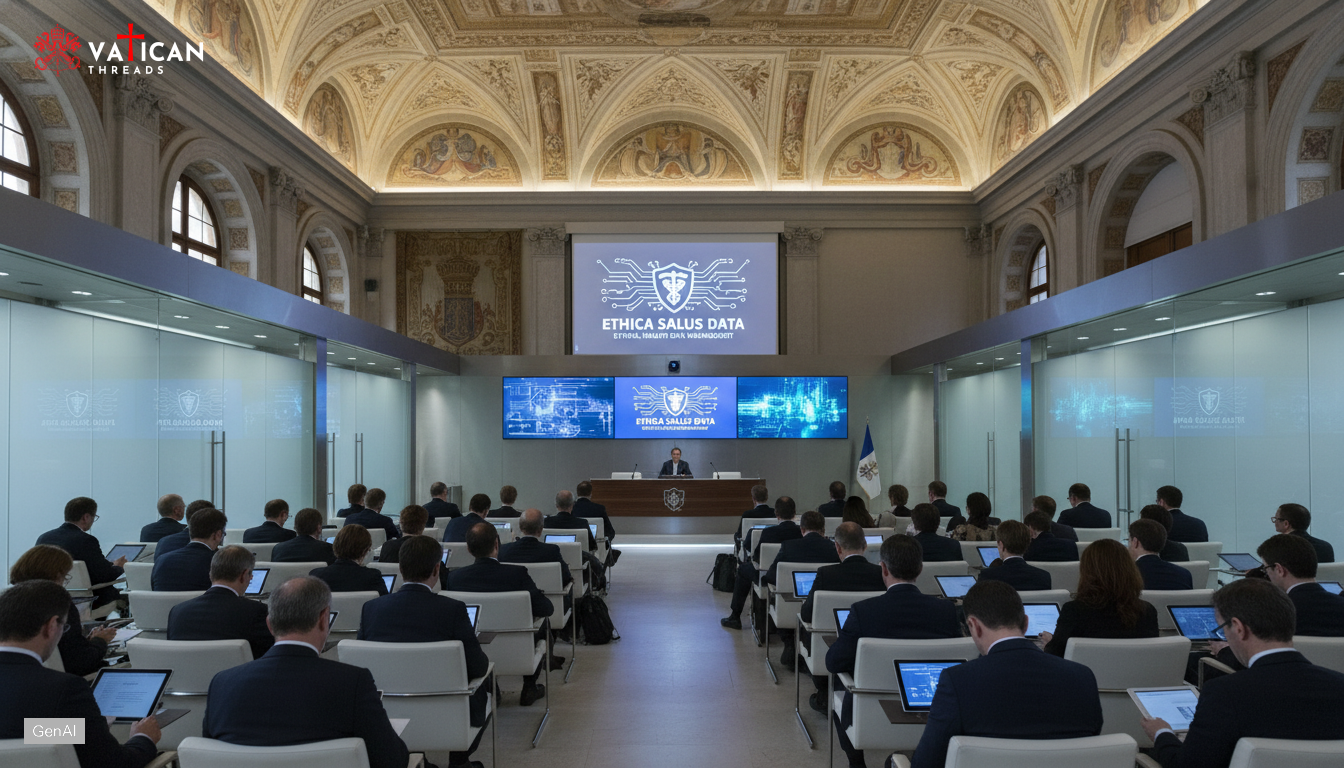
Pope Leo XIV has been cited in recent Vatican discussions as urging that AI development be judged by verifiable commitments to human dignity, conscience, and social bonds. This perspective is based on reporting and commentary from relevant sources. In practical terms, he reportedly asks teams to document how systems affect real people before deployment. They are encouraged to make moral reasoning auditable inside technical decisions. This approach can translate into requirements that define unacceptable tradeoffs, review gates that record assumptions, and escalation paths when harms appear. According to available reports from June 2026, Vatican coverage linked this emphasis to magnifica humanitas as a framework for keeping the human person visible in engineering work.
Pope Leo XIV on magnifica humanitas: key themes for developers
Within the magnifica humanitas conversation, Pope Leo XIV is associated in published coverage with three developer-relevant themes: dignity as a constraint, accountability as documentation, and solidarity as a design requirement. Dignity, as indicated by these sources, becomes explicit in specifications such as prohibiting coercive personalization or discriminatory targeting. This emphasis aligns with a Vatican News interview, Microsoft AI Director: Magnifica humanitas valuable for AI development, which treated moral language as implementable criteria. Accountability shows up as traceable claims, where teams can demonstrate why a model choice was made and what evidence supports it. Solidarity influences rollout decisions, including who bears risk and who gets recourse.
How Pope Leo XIV’s approach maps to engineering practice
Engineering teams can map Pope Leo XIV’s reported concerns into artifacts they already use: requirements, safety cases, and acceptance tests that measure behavior rather than intent, as suggested by various reports. For a parallel about proof standards in another domain, see 4k digital camera NFTs: Proof, Pricing, and Ownership, where provenance requires precision about claims. A common failure is to keep values in a slide deck while focusing on accuracy and latency. A stronger method ties each value claim to logged behaviors, human-oversight thresholds, and reproducible evaluations. The goal remains the same: to make commitments testable.
Safeguards Pope Leo XIV highlights: privacy, health data, and governance
In governance, Pope Leo XIV’s framing is often linked in coverage to concrete safeguards around sensitive information, especially health data. These concerns are reflected in internal coverage such as Pope Leo XIV urges health data protection safeguards and a broader context in Vatican health data ethics: standards for research. In practical terms, teams need clear data-handling constraints, minimization, and role-based access, plus incident responses that are rehearsed rather than improvised. For additional June 2026 reporting on ethics and equity, see Health data: Ethics and equity at the heart of research, which underscores the need for accountability structures.
What to watch next from Pope Leo XIV and the Vatican on AI
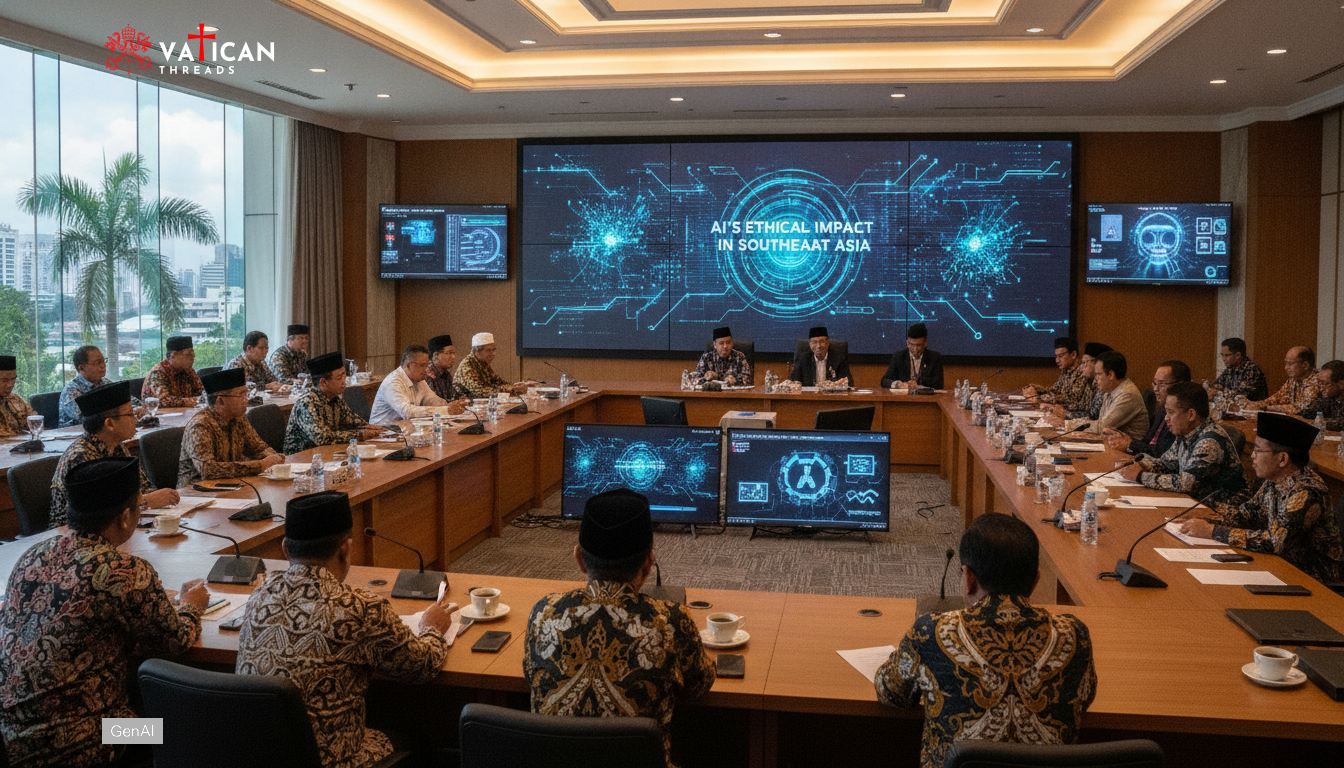
The near-term test of Pope Leo XIV’s influence on AI may be whether magnifica humanitas is translated into procurement language, audits, and incident-response expectations that organizations cannot ignore, according to commentators following ongoing Vatican communication about technology and ethics. As Vatican communications capacity evolves, appointments and messaging priorities are expected to matter, including updates such as Dicastery for Communication: Pope Leo XIV Names Prefect. For companies, clearer specifications may reduce downstream rework and reputational risk by forcing early decisions on data sources, evaluation methods, and complaint handling. For Church institutions, influence comes from insisting on verifiable commitments to dignity, agency, and solidarity without presenting the Church as a software vendor. The durable measure will be whether these principles become enforced checks in deployed systems.