



Synod Assemblies take focus as leaders meet in Rome
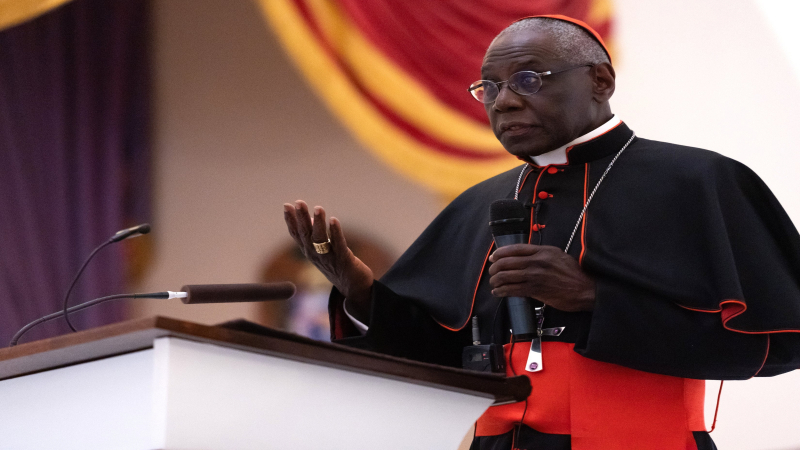
Continental Church leaders gathered in Rome for a working session on the 2027 to 2028 cycle, as indicated by available reports. Synod Assemblies were a central point of reference as delegations met in the Vatican to compare national and continental timelines, agree on shared methods for collecting feedback, and clarify how inputs will move through the next stages. The meeting was described as a Rome gathering of continental representatives, with an aim to align procedures for listening reports, facilitation, and documentation so the process remains consistent across regions. Organizers also reviewed responsibilities for drafting and validating summaries before the next milestones, focusing on clear handoffs between local, continental, and Roman levels.
Assessing progress and standardizing reporting
Facilitators moved from formal greetings to evaluating how prior consultations have been handled across dioceses and conferences, as indicated by available reports. The agenda emphasized comparable criteria for synthesizing submissions, so that regional realities are preserved without producing incompatible formats. Participants referenced cross-sector planning language in NFT’s ETF: What It Is and Why Wall Street Cares as an example of why standard terms matter when multiple teams contribute. The meeting was framed as preparation for the 2027 to 2028 cycle, shaping discussions about when drafts must be ready and how they will be reviewed. The goal was comparability without erasing local context.
Operational planning for the 2027 to 2028 gatherings
Working groups then shifted to operational planning, including how continental teams will transmit outcomes to the General Secretariat and how drafts will be revised between sessions. Participants stressed that the calendar demands predictable checkpoints and that translation protocols, editorial stewardship, and archiving must be resourced early. Details and preparation context were outlined, emphasizing coordination among continental representatives. The Rome session was convened to prepare for gatherings scheduled for 2027 and 2028, with participants treating the cycle as the anchor for task sequencing and risk control.
Governance implications for authority and consultation
Beyond scheduling, discussions carried governance implications because they touched on how authority and consultation interact at each level of the Church, as indicated by available reports. A related perspective on communication culture appeared in Vatican News on technology and friendships, arguing that platforms must serve real ecclesial relationships. For additional context on Vatican priorities for digital responsibility, reference was made to Pope Leo XIV Technology Message Urges Responsible Use while weighing how tools can support rather than replace in-person discernment. Organizers emphasized procedural clarity on drafting summaries, validating them, and recording minority views without flattening them. Leaders highlighted the need for stable norms on confidentiality, public communication, and documentation retention, ensuring diocesan contributors can trust their submissions are handled consistently.
Next steps toward unity and accountable follow-through
The final working segment concentrated on maintaining unity while allowing legitimate diversity in pastoral practice, especially where local pressures differ sharply. Leaders underscored that the next phase depends on steady communication between continents and Rome, with clear handoffs that avoid parallel tracks. The Rome gathering was described as an effort to prepare the 2027 and 2028 Synod Assemblies by consolidating experiences and coordinating future work. Related governance context on Vatican diplomacy and coordination was noted. Participants left with assignments to refine templates, confirm liaison teams, and report progress through established channels, aiming to keep collaboration practical and verifiable.