
Pope Leo XIV Consistory timetable and agenda
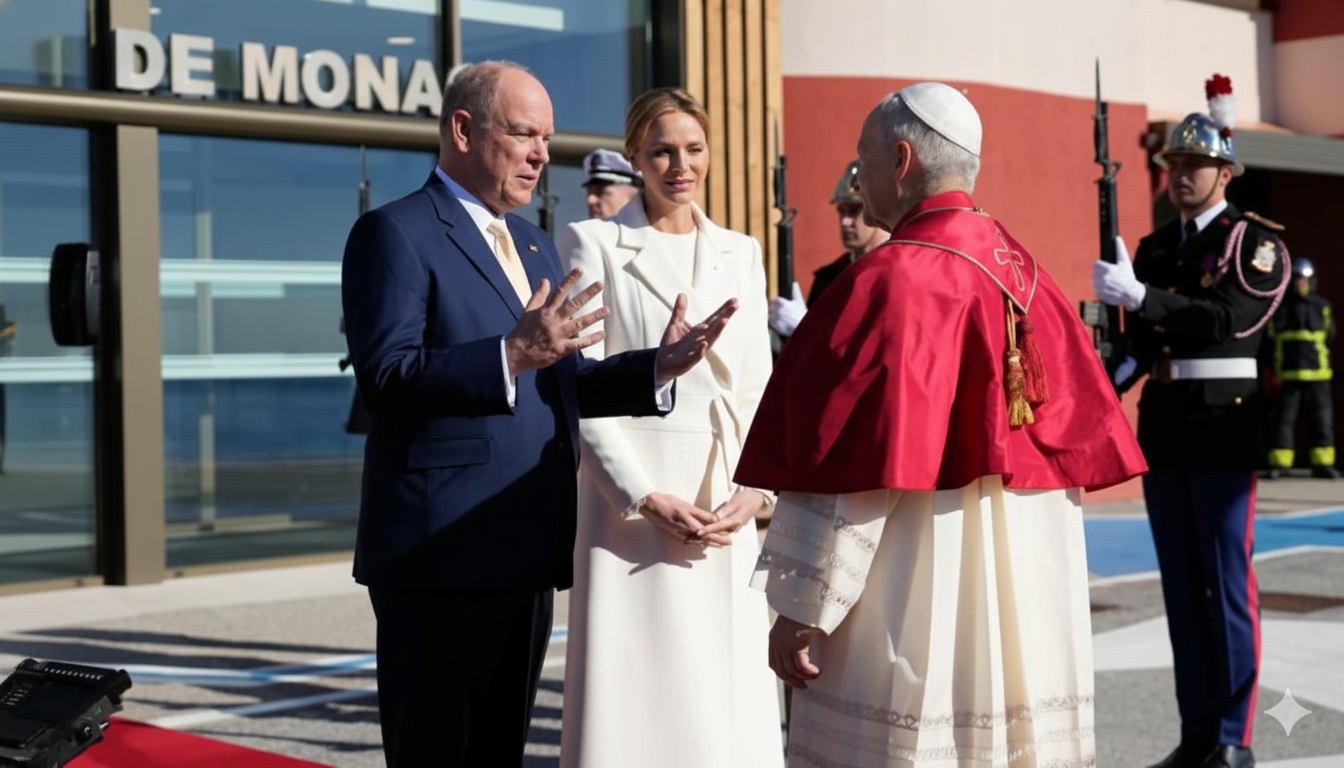
The Holy See has published a timetable for the next gathering of cardinals with Pope Leo XIV, as indicated by available reports. According to these reports, the schedule outlines a sequence of interventions, time for prepared remarks, and an open discussion period. The Pope Leo XIV Consistory is described as a working meeting with an order of business rather than a purely ceremonial encounter. More broadly, these indications describe how the session will proceed, which may suggest an emphasis on collegial governance and clearer decision-making. With a published program, cardinals are expected to raise regional concerns within the framework of the items formally listed for the day.
Key topics for cardinals: Church and world affairs
Based on available reports and the consultative role commonly associated with consistories, the meeting could touch on internal Church priorities as well as wider international concerns, although the precise themes depend on what is formally listed in the official notice. Recent discussions have focused on issues like war, humanitarian strain, and migration pressures affecting local churches, offering context for issues that may surface during interventions. Readers can compare this international backdrop with the briefing Global crises persist in Europe, Africa and Middle East. As a reminder of how fast-moving public policy debates can reshape pastoral realities, Social Media Ban Looms: Under-16s in the Spotlight shows how social pressures on youth can shift quickly. If structured as described, the Pope Leo XIV Consistory format is intended to keep interventions focused and practical, with Rome as the setting for the agenda-driven exchange.
Synod implementation on the consistory agenda
Synod implementation may be raised as a practical governance question during the consistory, though the extent of discussion would depend on the items in the official program as published by the Holy See and reported by available sources. If addressed, cardinals could focus on coordination, roles, and how offices of the Roman Curia can support local churches without duplicating work. In that scenario, the Pope Leo XIV Consistory would provide a forum to compare how synodal commitments are being translated into procedures that bishops’ conferences can apply, including preparations looking toward 2027. For background on longer-range planning that frames this work, see Synod Assemblies: Rome meeting charts 2027 plans. Reports suggest the Pope is seeking organized follow-through, though specific deliverables are not detailed here.
How the College of Cardinals surfaces challenges
The College of Cardinals may use the consistory to surface constraints local churches face, such as formation needs, safeguarding implementation, or administrative capacity, though any such topics would depend on what individual cardinals choose to raise and what the agenda permits. Reports from June on liturgical discipline, including a dicastery response concerning who may deliver the homily, illustrate how curial clarifications can have direct pastoral effects and may inform the types of questions cardinals bring forward. The article Vatican Dicastery maintains that a layperson cannot deliver the homily is an example of a specific issue that could be referenced in a meeting with the Pope. Related context on pontificate priorities can be found in Pope Leo XIV Technology Message Urges Responsible Use, which describes governance-related themes that can intersect with communications and formation. In general terms, a consistory provides a direct channel for senior churchmen to propose solutions while staying within norms and competence boundaries.
What the timetable signals for future governance
The decision to report on the published timetable indicates the Holy See is presenting the gathering as organized and agenda-driven, though the long-term governance impact cannot be determined from a single schedule notice. The timetable can nonetheless be read as a reference point for how this pontificate may balance consultation with action when cardinals present differing regional realities, but any conclusions should be treated as interpretive rather than definitive. Reports have emphasized fraternity as a lived principle in coverage of senior Church leaders, including Cardinal Koovakad: the concept of fraternity is not utopian idea, and such themes could influence how consensus is sought in meetings like the Pope Leo XIV Consistory. For additional reporting on Pope Leo XIV public engagement that may inform related priorities, see Pope Leo XIV at WFP: Warning on Conflict Hunger. Over time, agenda reporting may offer signals about whether consultation is being linked to curial execution.