



Empathy in Literature: Why the Vatican Is Listening
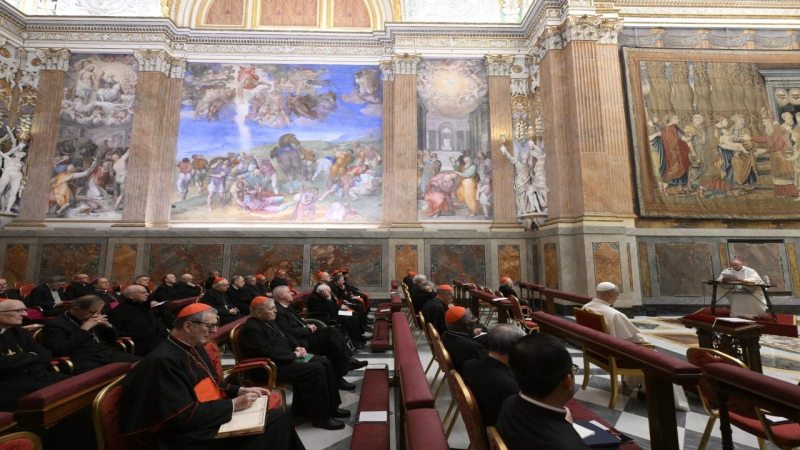
In June 2026, a Vatican News interview with Jonathan Safran Foer presented literary empathy as a practical civic skill rather than a vague ideal. The conversation, tied to the Vatican’s wider engagement with contemporary writers, suggested that fiction can widen moral attention beyond familiar circles and may influence how people relate to opponents and strangers. Foer described how craft choices such as voice, scene selection, and narrative constraint can help readers inhabit consequences, which he suggested can shape how readers talk about other people. In this framing, reading becomes a kind of training: repeated exposure to complex interior lives may build patience and reduce the appeal of dehumanizing shortcuts. The visit also signaled that literary exchange is being treated as public-facing cultural work with ethical stakes for communities.
Jonathan Safran Foer’s Vatican Visit and Key Claims
Foer’s Vatican conversations were published in June 2026, positioning storytelling as a tool for moral imagination in public life. In the interview, he emphasized technique over sentiment, arguing that narrative structure and close reading can expand a reader’s capacity to recognize another person’s interior world. He also suggested that this expansion can lower tolerance for dehumanizing language in polarized debate, and that empathy in literature functions as a working method shaped by craft rather than a slogan. The meeting was framed as part of a broader effort to engage writers on shared pressure points such as violence, polarization, and withdrawal into private life. Foer’s remarks were presented as a working method shaped by craft rather than a slogan.
How Reading Builds Empathy: Craft, Attention, and Practice
The interview’s core idea is that readerly empathy is built through the mechanics of reading rather than direct instruction. Foer pointed to how plot timing, point of view, and constraint can slow judgment and train attention, which he argued can translate into more careful moral reasoning in daily life. For a parallel discussion of culture, regulation, and public responsibility, see Portugal cultural patronage law reforms under review, and Vatican Publishing House editors, who often curate texts that cross theology and culture, have treated this kind of cross-discipline conversation as relevant to what they translate and promote, as reflected in their broader cultural programming. The larger point is that readers are being addressed as a civic audience, not only as consumers of entertainment.
Pope Leo XIV on Solidarity, Language, and Public Good
Pope Leo XIV’s public messaging in June 2026 emphasized solidarity as a learned practice. Reporting on his comments about institutions promoting the common good connects formation to culture as well as policy. Additional context on his intellectual interests appears in Pope Leo XIV writings: English release of early texts and in Pope Leo XIV consistory: Jesuit campus priorities. In the context of the writerly exchange, the Pope’s interest was portrayed as attentive to how language shapes conscience and how slogans can flatten complex lives. That emphasis helps explain why the Vatican’s cultural publishing priorities can include works that cultivate careful moral attention.
From Page to Policy: Civic Change and Next Steps
The engagement with writers was positioned as consequential for communities, not merely symbolic, arguing that books can influence how groups assign dignity and blame when outrage is rewarded. The Church’s humanitarian communication reinforces the same emphasis on concrete solidarity; for example, it was reported that Pope Leo XIV sent aid for Venezuela in June 2026 at Pope Leo sends aid to earthquake-struck Venezuela, with added background at Pope Leo aid Venezuela: emergency help after quake. In that framing, empathy in literature becomes a social capacity that can travel from page to public life, potentially affecting how readers interpret migrants, strangers, and opponents. Looking ahead, the Vatican could build on this approach by commissioning dialogues that pair novelists with educators and humanitarian workers while preserving artistic independence and focusing on how stories work.