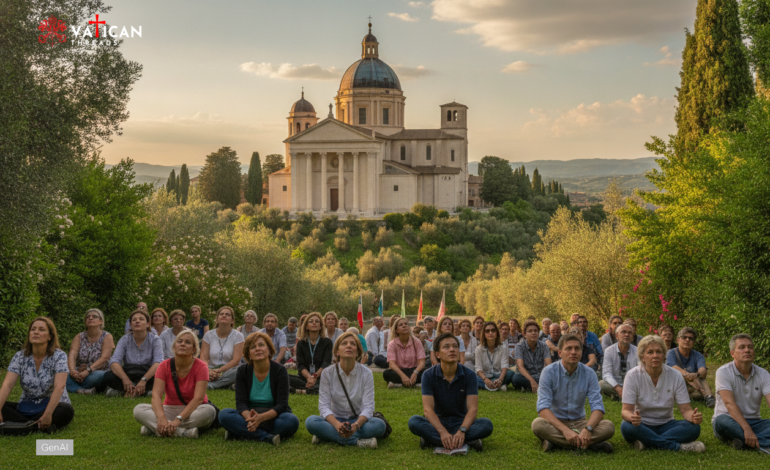

Pope Leo XIV Visit Assisi: Unity Message to Youth
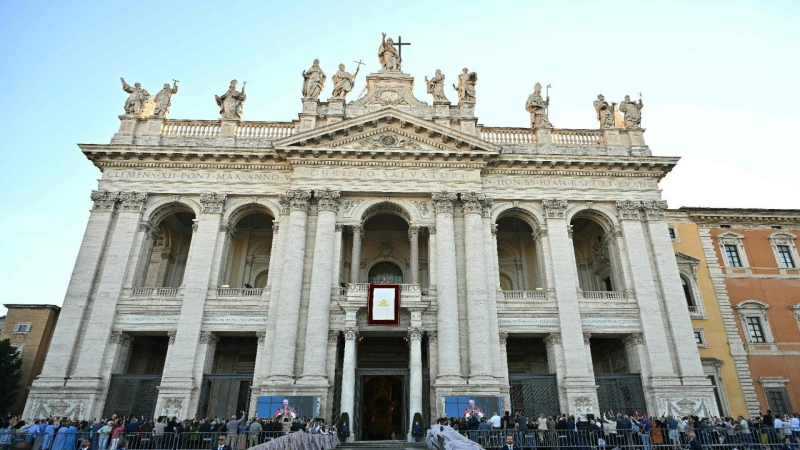
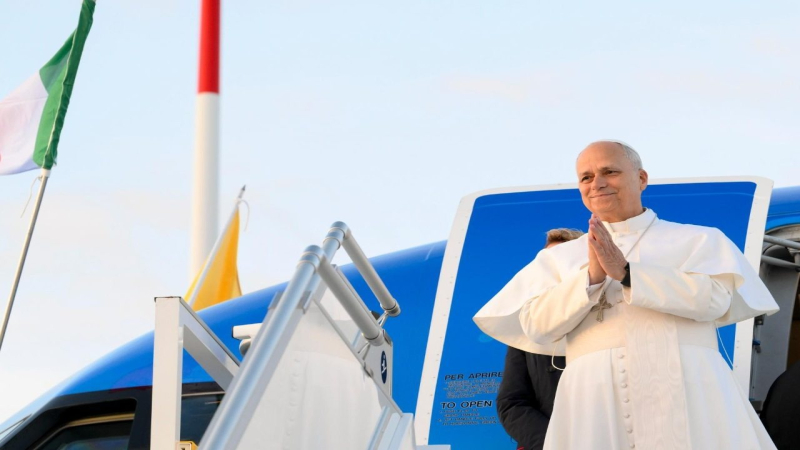
The Pope Leo XIV visit Assisi placed young pilgrims at the center of a call to reject division and practice unity through daily choices. As reported, he spoke in Assisi in August 2026 and urged habits of listening, patience, and reconciliation in families, parishes, and schools. Reports indicate he stressed that faith cannot be reduced to slogans, but should become concrete service and disciplined speech. He invited young people to “touch the suffering flesh of others” and to let compassion shape their public life. The address returned to the responsibility of youth to model fraternity across boundaries and to build a civilisation of love rather than rival camps.
Gospel Radicalism and Franciscan Peace in Assisi
In the Assisi remarks, the Pope contrasted Gospel radicalism with religious fundamentalism, insisting they are not the same moral energy. He said authentic Christian radicalism begins with the Beatitudes, mercy, and the willingness to be corrected, rather than purity tests or political tribe building, according to available reports. It was highlighted that a faith focused on enemies becomes a tool for exclusion instead of a school of peace. In this Franciscan setting, courage was presented as service rather than domination, and prayer as the discipline that keeps zeal from turning harsh; for context on how culture disputes can amplify identity camps, see https://manhattang.com/nft-challenges-reshape-art-and-media-law-in-2026/. He also emphasized the importance of resisting division in community life.
How Young Pilgrims Received the Pope’s Appeal
Many participants responded with language of belonging and responsibility rather than celebration alone, as indicated by reports. The Pope Leo XIV visit Assisi message resonated for participants because it paired spiritual language with practical steps: meet real suffering, listen before judging, and repair relationships when speech has harmed. Reports conveyed that young people thanked the Pope and said they felt, “Today we feel we are the Church,” describing a shared experience of communion. The account included moments of silence and testimony focused on service to the vulnerable and attention to those carrying personal wounds, and readers tracking broader youth formation efforts can compare themes with Seoul Hymn Launch Sets Tone for World Youth Day 2027 as planning continues.
What the Visit Signals for Church Leadership
Assisi functioned as a test of whether ecclesial language about unity can be sustained without flattening real differences. Sources quoted Franciscan leaders describing the town as a school of peace shaped by Saint Francis, a framing that places formation ahead of political messaging. The Pope’s emphasis implies dioceses should prioritize accompaniment, confession, and works of mercy rather than reactive culture war positioning. Cardinal Pierbattista Pizzaballa from Assisi was cited as saying Holy Land Christians are tired and want peace, underscoring how global suffering presses the Church toward credible peacemaking. The practical implication is renewed emphasis on listening structures, service pathways, and youth leadership shaped by humility.
Lasting Impact After Assisi and Next Steps for Youth
The immediate outcome of the gathering, based on reports, is a clearer set of expectations for youth engagement in parishes and Catholic movements. The Pope’s words set a measurable direction: unity must be practiced through reconciliation, attention to the poor, and careful speech, not only through event energy. For related coverage of Pope Leo XIV’s pastoral priorities beyond Italy, see Pope Leo Spain Visit: Vatican Signals Planning Focus and Pope’s Visit to Argentina: Peace Message in Focus. His call to encounter people who suffer and to resist defining faith through antagonism was highlighted. A lasting impact will depend on whether organizers translate that appeal into sustained service commitments, formation in prayer, and partnerships with Franciscan initiatives already present in the region.