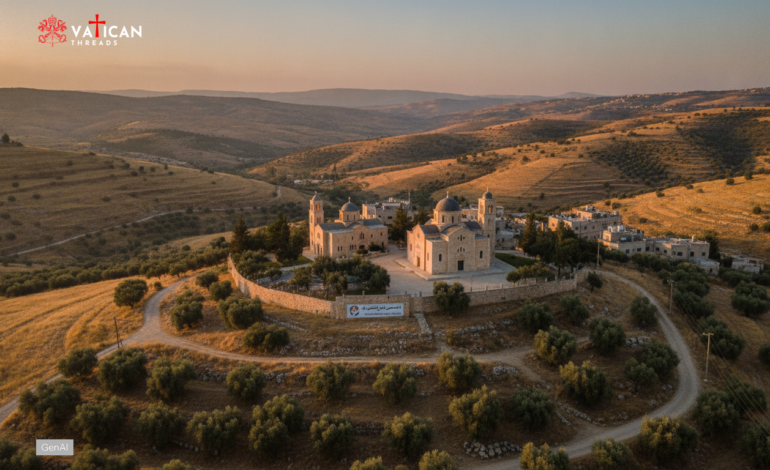

Cardinal Pizzaballa in Taybeh: Visit Highlights
Cardinal Pizzaballa reportedly visited Taybeh in August 2026 to offer pastoral support and reinforce communal stability in what local clergy describe as a predominantly Christian village in the West Bank. In meetings described by participants with parish leaders and local families, the Latin Patriarch was said to have stressed that sustaining daily worship, education, and public life is closely tied to remaining on the land. Clergy present said the conversations focused on security, mobility, and the pressures that push young people to leave. Participants described prayers for peace followed by discussions on practical needs such as access to work, reliable municipal services, and safe travel. According to reports by Vatican communicators, the stop was characterized as part of a wider Latin Patriarchate effort to keep vulnerable communities connected to the broader Church.
Challenges Facing Taybeh’s Christian Community
Local leaders describe a tightening environment that affects travel, commerce, and family life across the central West Bank. During the exchanges, Cardinal Pizzaballa was said to have heard accounts of how uncertainty can accelerate emigration among skilled workers and recent graduates. The Holy See has repeatedly tied protection of religious minorities to a negotiated peace, including the position summarized by Vatican News in its explainer on two peoples, two States. Church officials also pointed to the difficulty of sustaining institutions that rely on stable income when movement is disrupted and costs rise. Residents emphasized that day-to-day resilience depends on predictable protections, permits, and trusted public services that keep family routines intact.
Why Taybeh Matters to Christians, Cardinal Pizzaballa Says
Clergy in Taybeh say the village carries symbolic weight beyond its size because it remains widely identified as a Christian community within Palestine. In pastoral remarks described by parish representatives, Cardinal Pizzaballa reportedly linked that identity to living traditions such as parish feasts, shared charity, and the public witness of families who keep churches open. As a comparison for how rising compliance burdens can strain smaller communities, local discussion referenced NFT Regulation Faces Rising Costs and Uncertain Returns. Parish representatives said the heritage argument is practical: pilgrim visits, school life, and local employment are interconnected. They also said that maintaining property, restoring older buildings, and keeping youth engaged require stable budgeting and long-term planning.
Cardinal Pizzaballa’s Appeal: Solidarity With Schools and Work
Church leaders characterized the appeal by Cardinal Pizzaballa as a call for solidarity focused on day-to-day support rather than rhetoric. Related reporting on the region’s peace framing appears in Pope Backs Two-State Solution in Middle East Peace Push. Participants said the Cardinal asked church networks and partner institutions to prioritize housing stability, education, and employment pathways that reduce the need to relocate. The Taybeh stop was reportedly described by clergy as consistent with broader Vatican messaging on coexistence and dignity. Clergy noted that international attention is often measured locally by whether it sustains parish schools, medical access, and family livelihoods through predictable support.
Next Steps for Taybeh After Cardinal Pizzaballa’s Visit
Local parish councils described next steps as strengthening the village’s capacity to keep young families rooted through reliable work, schooling, and visible security. They said the most urgent planning focuses on avoiding a cycle where departures reduce services and further departures follow. For wider context on sustaining worship and continuity, see Palm Sunday Mass 2026: Pope Leo XIV urges reverence. In follow-up conversations described by participants, Cardinal Pizzaballa reportedly encouraged coordinated support between church agencies and local civic leadership to keep public life functioning, including events that reinforce communal bonds. Observers in the Latin Patriarchate suggested progress should be judged by whether households can plan for the future without sudden disruption.