



Pope Leo XIV and the Vatican Apartment: what was reported
Coverage focused on where he was based in the Apostolic Palace and how he kept to scheduled audiences while monitoring breaking news from Indonesia. According to available reports, Vatican media briefed him on the earthquake, and he responded through an official statement issued in Rome in August 2026. The references to his Vatican residence were used mainly as context for his routine and availability during a fast-moving humanitarian crisis, not as a policy announcement about housing. Even so, the report tied the residence detail to a clear message: he asked Catholics to pray, remain close to those suffering, and support local relief efforts through established channels.
Statement from the Vatican and the Pope’s schedule
The Holy See message emphasized solidarity with the dead, injured, and displaced, and it highlighted pastoral care for families facing trauma and uncertainty. Vatican News reported the Pope expressed closeness to the grieving and asked that responders and medical staff be sustained in their work; for related coverage of his public liturgies and messaging in 2026, see Palm Sunday Mass 2026: Pope Leo XIV urges reverence. In that same context, the papal residence was mentioned as a framing detail to show he continued planned meetings while receiving updates. The Vatican text also encouraged parishes to remain attentive to urgent needs as verified requests come in.
Indonesia earthquake update and immediate needs
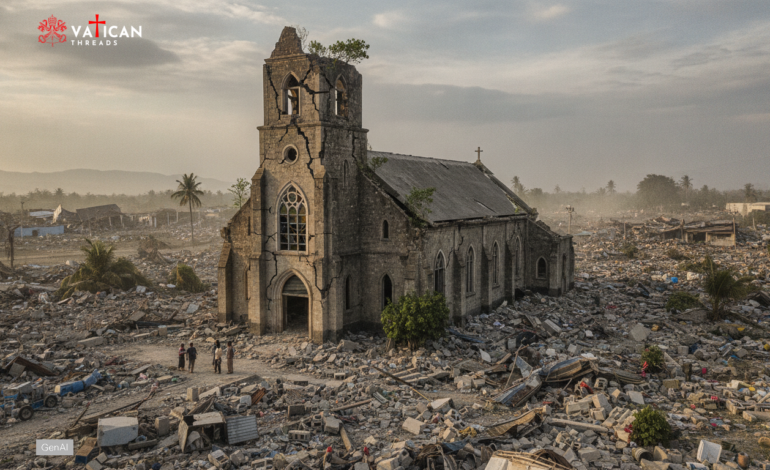
Initial reporting stressed assessments, shelter, and medical support as local authorities and Church leaders evaluated the damage. The core Vatican report, Pope Leo XIV expresses closeness to victims of Indonesia earthquake, reinforced prayer and concrete support, while noting that, according to available reports, the Pope was kept informed as the situation developed. Vatican News described widespread fear and disruption across affected communities, with clergy urging calm and mutual assistance. Relief coordinators also highlighted that parish facilities can serve as staging points for food distribution and temporary refuge when public services are strained. For context on recovery financing and governance, World Bank aid Colombia: €172m package backs recovery shows why verified assessments matter for long-term rebuilding.
How Catholic aid networks organize relief
Within the Catholic aid network, coordination typically moves toward funding pathways, logistics, and pastoral accompaniment rather than symbolic gestures. A separate Vatican News item, Archbishop of Ende says earthquake could not destroy the people’s love, highlighted resilience and the need to keep community bonds intact while aid is organized. Caritas structures often work through dioceses to align assistance with civil protection priorities and avoid duplication, a point repeatedly emphasized in disaster response guidance. On the diplomatic side, Vatican positions on protecting civilians and humanitarian principles are discussed in Pope Backs Two-State Solution in Middle East Peace Push. In practice, local teams prioritize verified needs lists, transparent distribution, and support services such as counseling and chaplaincy in shelters.
Why the Vatican apartment detail drew attention
Interest largely reflects reader curiosity about how a pontiff lives and works day to day, and how quickly he can react when crises strike. In the Indonesia case, the reference to the papal residence functioned as a small reporting detail tied to a larger point: the Pope stayed engaged, issued a formal appeal, and encouraged practical assistance beyond headlines. As the emergency phase stabilizes, Church planners generally shift toward rebuilding homes, restoring schools, and supporting livelihoods with safeguards for accountability and local ownership. Vatican communicators stressed sustaining attention for children and elderly residents who may struggle through prolonged displacement. Long-term work can also include trauma care, documentation help for families who lost papers, and community rebuilding that reduces future risk through better shelter planning and preparedness training.