


How sisters are reclaiming the narrative
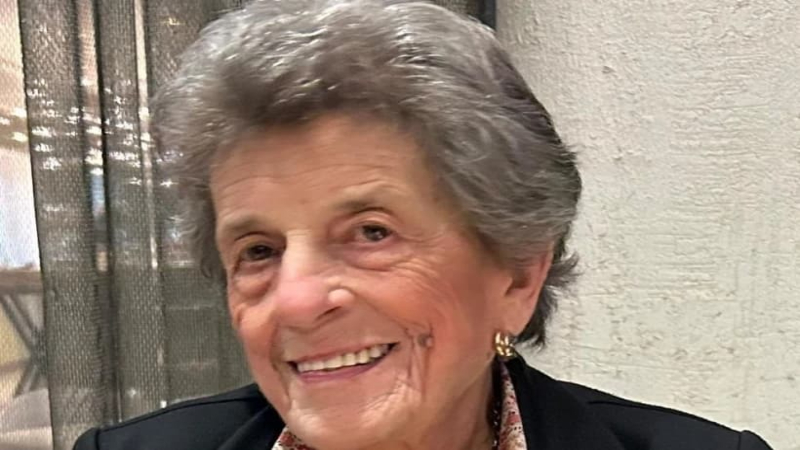
Many are increasingly taking editorial control of how their lives and ministries are described, publishing in their own voices rather than relying only on institutional summaries. In dioceses and congregations, communications teams often invite Catholic Sisters to draft first-person reflections, record interviews, and approve captions and context before publication. The goal, as sisters involved in these efforts often say, is clarity about vocation, daily work, and public witness rather than nostalgia or branding. The result can be a more direct account of what service looks like in hospitals, schools, parishes, and neighborhood outreach. This shift also aligns with the broader expectation in digital media that sources speak plainly about what they know and do.
Why first-person storytelling matters for faith and the public
Public trust can rise when audiences can verify who is speaking, what happened, and when. In sisters-led storytelling, contributors often date posts, identify locations, and name partner organizations where appropriate, so readers can cross-check claims. A common example is disaster response: according to the time-stamped reporting in Pope prays for earthquake victims after Colombia quake, Vatican coverage described pastoral outreach and relief coordination around an earthquake in Colombia; readers can compare details across reports and official statements. The same transparency can help explain how vows shape daily choices, why confidentiality exists in care settings, and what can and cannot be shared publicly without harming the people they serve. In these explanations, Catholic Sisters can clarify boundaries while still giving readers verifiable context.
Projects and initiatives that support sisters-led media
Across congregations, storytelling efforts are becoming more structured, with defined editors, release calendars, and archiving plans for researchers, according to organizers and communications staff who describe these projects publicly. Some communities run oral-history interviews and deposit recordings with local archives; others create short documentaries and classroom-ready clips timed to Catholic Sisters Week each March. For a separate example of quantifying losses and building a paper trail in public reporting, see Crypto fund collapse: Bitwise 10-asset drawdown. In practice, many teams now work with consent forms for interviews and photos, which can reduce disputes later and protect vulnerable sources. This emphasis on documentation mirrors how other sectors treat accountability and recordkeeping when the stakes are high. Sisters involved in publishing suggest that the discipline of sourcing and review may strengthen credibility without turning ministry into marketing.
What changes in community and church perception
Some parish leaders report a practical impact: collaboration can become easier when people understand the scope of sisters’ work, staffing limits, and the realities of aging communities. Coverage of broader church messaging also shows how carefully words are weighed for moral clarity, which can set expectations for local communicators; one relevant example is Vatican diplomacy urged by Pope Leo XIV to halt violence. In diocesan listening sessions, facilitators have noted that first-person accounts can move conversations away from abstractions and toward concrete needs like housing support, trauma care, and immigrant assistance. When they describe their ministry with names, dates, and roles, Catholic Sisters can make it easier for civic partners to verify outcomes, which can support grant reporting and long-term partnerships.
Next steps for sustainable, verifiable storytelling
Future work often focuses on durable archives, clear permissions, and ethical guardrails for a media environment that can strip context. Congregations are standardizing release forms, tracking where images are reused, and training members to respond to hostile engagement without escalating conflict, as editors and media coordinators in these communities commonly describe. Church events with set dates and public schedules can also serve as anchor points for readers who want to confirm context, such as Pope Leo Genazzano visit: Mass at the Shrine. Some teams are also building multilingual workflows to reflect international membership and the realities of migration. To strengthen verification, communities are encouraged to publish timelines for major projects, identify institutional partners, and cite public documents when they reference policy or funding. The test will be whether stories remain precise, attributable, and faithful to the people they describe.