



Church response to the Gaza humanitarian crisis
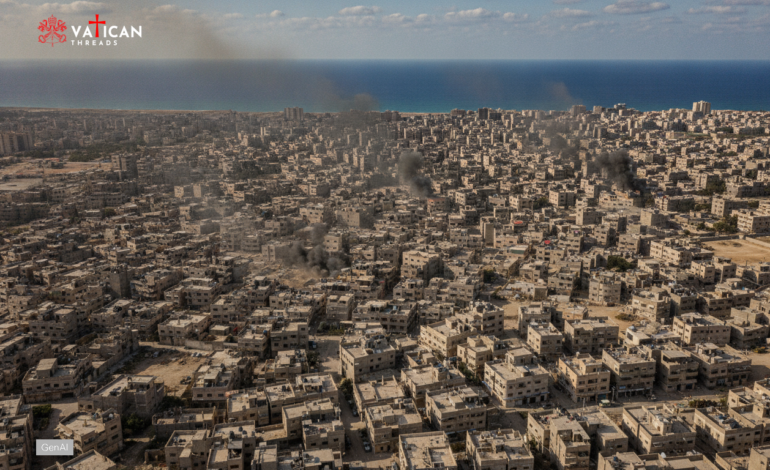
The Gaza humanitarian crisis is deepening as civilians seek shelter, water, and medical help amid ongoing insecurity. Speaking to Vatican News in July 2026, Fr Gabriel Romanelli said needs in Gaza are “beyond disastrous,” describing parish efforts as emergency support rather than a replacement for large scale relief. At Holy Family Church, staff and volunteers focus on basic care, prayer, and maintaining contact with Church channels that can press for humanitarian access. He emphasized that local communities can protect dignity and document needs, but cannot compensate for blocked or irregular aid flows.
Daily survival and shortages in Gaza
Romanelli told Vatican News that daily life has narrowed to survival, with shortages shaping every hour and movement constrained by insecurity. He described conditions as marked by hunger, dehydration, and fear, warning in the July 2026 interview that children, the elderly, and the sick bear the heaviest costs. According to available reports from Vatican News, he urged sustained corridors for international aid and safeguards for civilians and medical teams. For readers tracking how other sectors manage continuity under pressure, this unrelated explainer offers context: Ryanair AWS partnership renewed to scale AI systems, while uncertainty over access and distribution, he added, leaves families unable to plan even one day ahead, and clinics struggle to keep treatments consistent.
Fr Romanelli urges protection and reliable access
Romanelli appealed to governments and multilateral agencies to treat protection and access as urgent priorities, not bargaining chips. He said the humanitarian emergency in Gaza is forcing churches and local networks into triage decisions that should never be delegated to small communities. In the same July 2026 Vatican News interview, he called for safe humanitarian corridors, reliable delivery routes, and conditions that allow aid workers to operate without intimidation. He urged sustained diplomatic pressure to reduce civilian harm and secure consistent deliveries of food, medicine, and water, and the Gaza humanitarian crisis remains central to his appeal in the Vatican News interview with Fr Gabriel Romanelli.
What could ease the Gaza humanitarian crisis
Church officials have signaled that progress depends on predictable humanitarian mechanisms and credible monitoring, rather than intermittent convoys that leave gaps in care. Romanelli argued to Vatican News in July 2026 that international aid must scale quickly with clear permissions for medical supplies, fuel for essential services, and logistics for shelters. Related Vatican coverage on peace and practical solidarity includes Pope Leo XIV Hosts Vatican Concert for Peace and Hope and Pope Leo XIV 1982: origins of his peace message, and humanitarian organizations, he said, need stable operating windows and secure routes because irregular access disrupts treatment schedules and nutrition programs.
Outlook for aid and the Church in Gaza
Romanelli warned, according to Vatican News (July 2026), that sustaining relief will depend on turning appeals into enforceable guarantees that keep assistance flowing and protect those receiving it. He said Holy Family Church will continue to support anyone who reaches its doors, but parish capacity is finite and cannot absorb a broader collapse in services. In his Vatican News remarks, he framed international aid as an obligation rooted in human dignity, not as discretionary charity, and asked policymakers to judge decisions by their effects on civilians. He also stressed that local communities need predictable support to prevent panic migration and family separation, so basic services can resume and further loss of life is avoided.