

Pontifical Committee for Historical Sciences: New Vatican Members
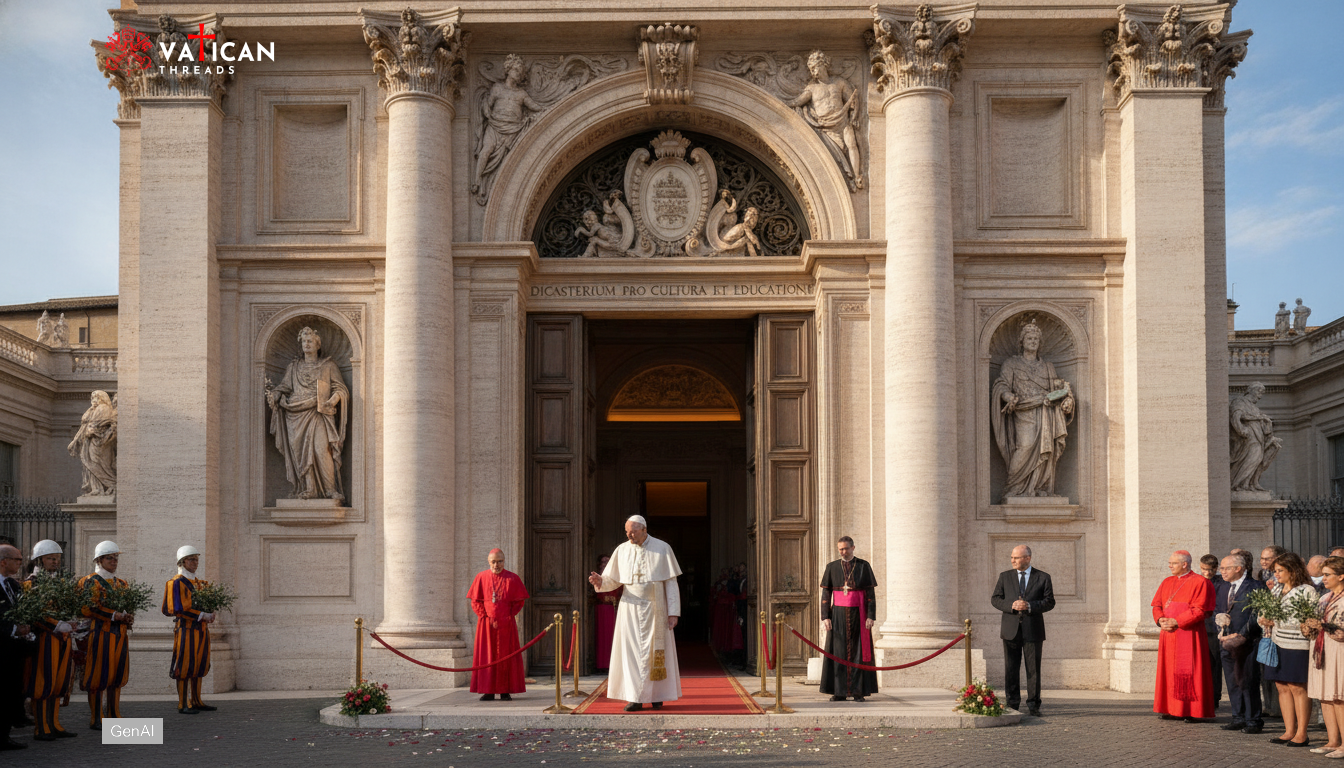
The Pontifical Committee for Historical Sciences has new members following appointments reportedly by Pope Leo XIV that were announced in the Holy See bulletin, reportedly in August 2026. The advisory body supports Vatican work on historiography, archives, and research access by linking academic expertise with curial institutions. While the committee is consultative, its guidance can affect how documentary heritage is preserved, catalogued, and studied. The nominations also underscore the Vatican’s stated interest in maintaining professional standards and peer-reviewed methods when engaging universities and scholars. The update may align with routine Vatican appointment practices and is monitored by researchers and Church observers.
Who Was Appointed and When the Changes Take Effect
The appointments were reported as part of the Vatican’s regular pattern of naming experts to pontifical bodies, according to Vatican News. Vatican News reported the appointments in Pope names new members to the Pontifical Committee for Historical Sciences, presenting the decision as part of the Vatican’s regular pattern of naming experts to pontifical bodies. According to that report, the appointees add complementary specializations intended to broaden the committee’s coverage across periods and research methods. As with similar consultative organs, membership updates typically take effect upon publication, with practical work moving into the next scheduled sessions and correspondence. Readers following how appointments intersect with institutional oversight can compare the administrative coordination visible in Ann Widdecombe Funeral Date: Buckfast Abbey Service, where Church planning also depends on clear governance roles.
What the Committee Does for Archives and Scholarship
Beyond the individual names, the move highlights how the Vatican treats documentary heritage as an active responsibility rather than a static repository. Within the Roman Curia, the Pontifical Committee for Historical Sciences and related historical scholarship can inform cataloguing policies, standards for access, and the long-term preservation of fragile materials. The committee serves as a bridge between specialized historians and Vatican offices that handle texts, provenance, and editorial practices. Its remit can shape conference themes, scholarly networks, and the framing of contested episodes through disciplined use of sources. This emphasis on method and memory also aligns with broader papal messaging about forming Catholic identity across generations.
How New Members Can Shape Vatican Research Priorities
Even as an advisory body, changes in membership can influence which research partnerships are encouraged and what competencies are emphasized, such as archival experience, linguistic breadth, or cross-border academic cooperation. If the selections are intended to widen expertise, they could strengthen the committee’s ability to evaluate projects that touch sensitive historical questions where transparent sourcing is essential. The body can also help set expectations for Vatican participation in conferences and scholarly exchanges, including standards for editions of primary documents and editorial oversight. Related Vatican initiatives continue to highlight how institutional structures support wider Church communication, as reflected in Christian communication: Nwachukwu on Gospel media and the way Church narratives are sustained through cultural work. In Rome, these priorities can surface in planning notes tied to upcoming sessions and correspondence.
What Comes Next for the Pontifical Committee for Historical Sciences
Next steps generally involve internal planning, mapping collaboration with academic institutions, and aligning priorities with Vatican libraries, archives, and pontifical universities. The committee is expected to focus on facilitating research access, supporting scholarly events, and advising on documentation strategies that protect collections over time. In practice, this may include backing critical editions, convening specialist colloquia, or coordinating archival description and digitization standards across offices. Additional context on Pope Leo XIV’s wider engagement with formation and public witness can be seen in Pope Leo XIV Calls Czech Youth to Live the Faith Daily. The transition can preserve continuity by retaining institutional memory while incorporating new scholarly approaches. The measure of success will be sustained academic output and reliable collaboration.