

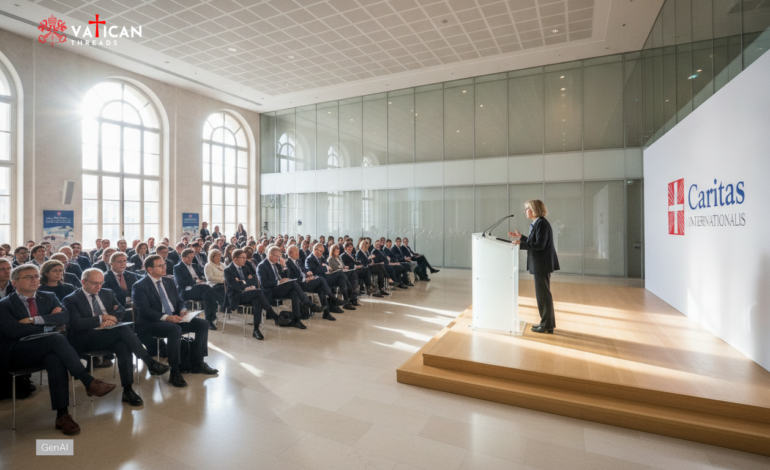

A Caritas healthcare message and public witness
According to Vatican News reporting dated June 2026, Pope Leo XIV linked Catholic healthcare to a public witness of mercy in a message for a Caritas-related gathering. In that account, he reportedly mentioned “pope leo xiv 1982” as a personal point of reference connected to his formation, while emphasizing that care for the sick should include proximity, listening, and respect for dignity, not only efficient service. Speaking to Caritas partners, he reportedly called on leaders to resist indifference and to keep the person, not the institution, at the center of clinical decisions, as described in the Vatican News coverage. He also framed compassion as something that should be visible in daily practice, such as admissions, follow-up, and bedside presence, especially for those who feel discarded, according to the same report.
What the 1982 reference suggests about formation
In the Vatican News account, the Pope’s reference to 1982 is presented as a personal marker of formation rather than a slogan. He reportedly connected that experience to a pastoral approach that treats illness as a moment when people need both competent medicine and humane accompaniment. For related context on how Vatican governance choices can shape oversight priorities for Catholic institutions, see Pope Leo XIV Consistory timetable set by Vatican. He also stressed, as reported by Vatican News, that institutions carrying the Church’s name should aim for consistency between Gospel values and professional standards, particularly where systems are strained by poverty, migration, and conflict.
Caritas partners: turning mercy into coordinated care
According to the Vatican News summary, Pope Leo XIV urged Caritas networks to coordinate resources so charity is expressed through reliable systems, not only emergency gestures. The full message is available at Pope: Healthcare must reveal God’s compassion. He highlighted prevention, primary care, and long-term accompaniment for families facing chronic illness, disability, or trauma, and he asked that staff and volunteers be trained to recognize spiritual and psychological dimensions of suffering without replacing medical expertise, as reported. For a policy-adjacent example of how household stability can affect follow-up and adherence, see Energy contracts in Portugal aim to steady prices, in the same discussion.
Faith-based healthcare challenges in law, ethics, and staffing
In the same Vatican News coverage, he reportedly warned that budgets, compliance demands, and workforce shortages can push care toward narrow performance metrics that miss the person in front of the clinician. Readers following the Church’s wider planning and accountability discussions may also find context in Synod Assemblies: Rome meeting charts 2027 plans. He said Catholic identity cannot be reduced to branding and urged leaders to protect moral clarity while collaborating respectfully with civil authorities, especially where end-of-life decisions, reproductive ethics, and data governance create tensions, according to the report. He insisted that dignity safeguards must be built into governance, staffing, and referral pathways, as summarized by Vatican News.
Next steps after 1982: formation and local models
Looking ahead, the Vatican News write-up says he called for formation that prepares clinicians and administrators to sustain compassionate presence under stress and to strengthen community-based models that keep older people, migrants, and the poor connected to care. In that context, the “pope leo xiv 1982” reference is presented as part of his broader formation framing rather than a standalone claim. Ongoing coverage of his priorities includes Pope Leo XIV Madrid visit highlights WFP hunger aid, which reflects how health, hunger, and shelter often intersect in the same local ecosystems. He urged leaders to measure success not only by volumes and outcomes, but also by whether institutions protect the dignity of those who feel discarded, according to the Vatican News account. He closed by emphasizing consistency—professional excellence joined to a culture that sees each patient as a person, never a problem—according to Vatican News.