





Pope’s Stance on Capital Punishment
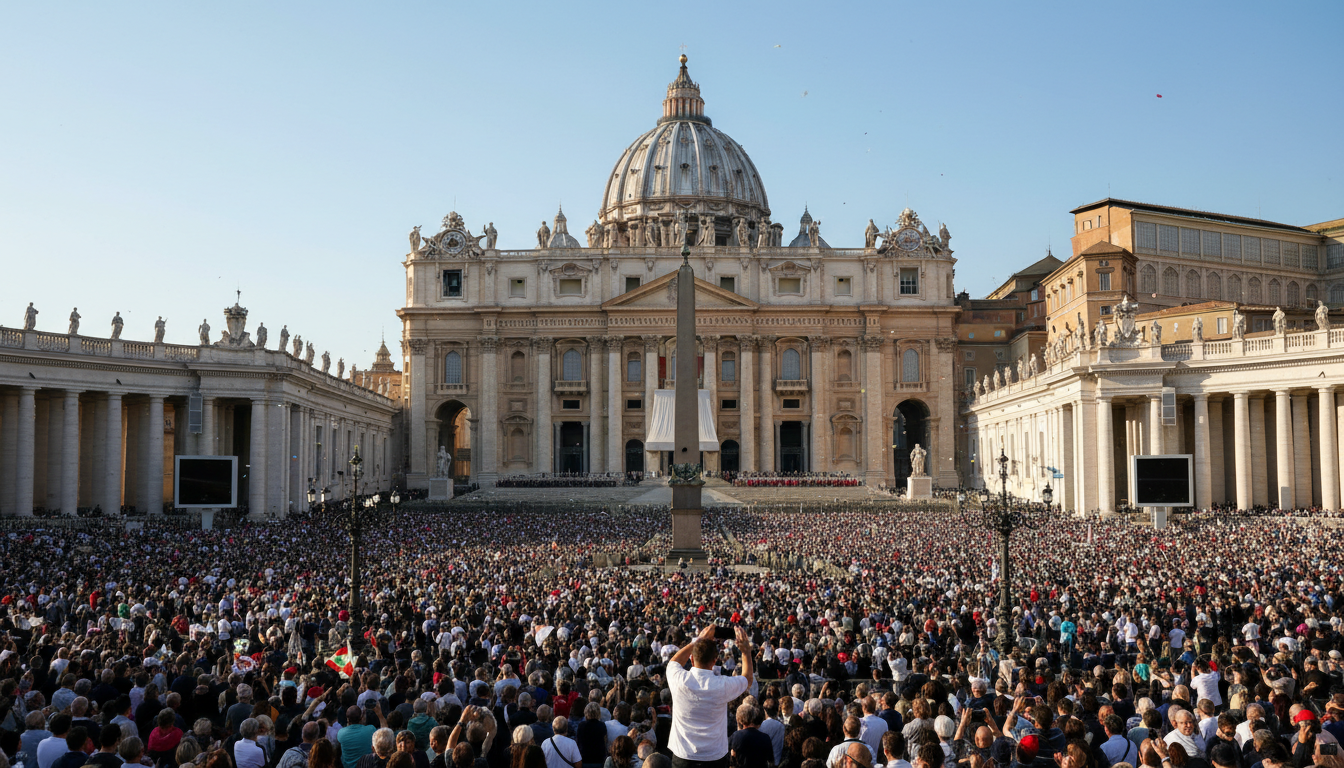
Pope Leo XIV used a Vatican address Today to press governments to stop executions and to expand alternatives that protect the public. In remarks carried by Vatican News, he said human dignity is not lost even after serious crimes are committed, and he framed the issue as a test of whether justice systems can punish without destroying life. Live reactions from Catholic leaders and legal advocates focused on his insistence that mercy must not erase accountability. He urged lawmakers to review sentencing and prison conditions, arguing that effective punishment can coexist with rehabilitation. The Pope asked Catholics to treat this as a sustained moral priority rather than a seasonal campaign.
Human Dignity in Catholic Teaching
The Vatican positioned the message as part of Catholic Church teaching that places the person at the center of every penal policy. Midday Update coverage from Vatican News noted that the Pope connected punishment to conversion, emphasizing that the state should leave room for repentance. He again advocated the abolition of death penalty as consistent with a commitment to defend life in all stages, while still acknowledging the suffering of victims and the duty to protect communities; for context on how the Church is applying humanitarian principles in multiple crises, readers can see Pope sends humanitarian aid convoy to Lebanon and Ukraine. The Pope called for prayer and disciplined civic engagement that remains focused on tangible legal change.
Global Movement Against Death Penalty
Diplomats following Live discussions at the UN have increasingly linked capital punishment to broader human rights standards, and Vatican officials signaled they will amplify that work in upcoming meetings. A practical Update point for advocates is that coalitions often move fastest when they document miscarriages of justice and racial or economic disparities, then tie reforms to due process protections; in a separate example of how international institutions frame rule of law debates, the BBC has chronicled regulatory scrutiny and governance disputes in other arenas, including US regulator to review Disney broadcast licences. In parallel, the Pope asked national bishops conferences to coordinate messaging with prison chaplaincies and legal aid groups to keep attention on sentencing reform.
Impact on International Policies
Policy aides said the Vatican is encouraging states to treat moratoria as a bridge to legislation, not an endpoint, and to publish transparent data on death sentences and commutations. The Pope’s diplomatic service has long cited UN General Assembly resolutions calling for a moratorium on executions, and Today officials suggested that future bilateral talks will raise clemency practices and prisoner treatment. For readers tracking unrelated policy volatility in other beats, Musk OpenAI case tests charitable giving norms shows how quickly legal arguments can reshape institutional behavior, and the Vatican also urged Catholic legislators to consider victim support funding and restorative justice programs as part of any repeal package. Live engagement from legal scholars centered on whether repeal efforts can be insulated from election cycles.
Future Steps for Abolition Advocacy
Organizers aligned with Catholic Church networks said the next phase will prioritize testimony from exonerees, families of victims, and prison staff who have witnessed the limits of deterrence claims. A concrete Update agenda also includes pushing for stronger indigent defense, improving forensic standards, and expanding mental health treatment inside prisons, reforms that can win broader coalitions even where repeal is politically difficult. Pope Leo XIV’s team indicated that Vatican statements will continue to highlight human dignity as the nonnegotiable baseline for penal policy, and they urged Catholic universities to publish research that legislators can cite in committee hearings. Today advocates also stressed careful language that avoids partisan labels, aiming to keep the abolition of death penalty framed as a life protection measure with verifiable public safety safeguards.