

Pope Leo XIV Consistory: What Madrid Revealed
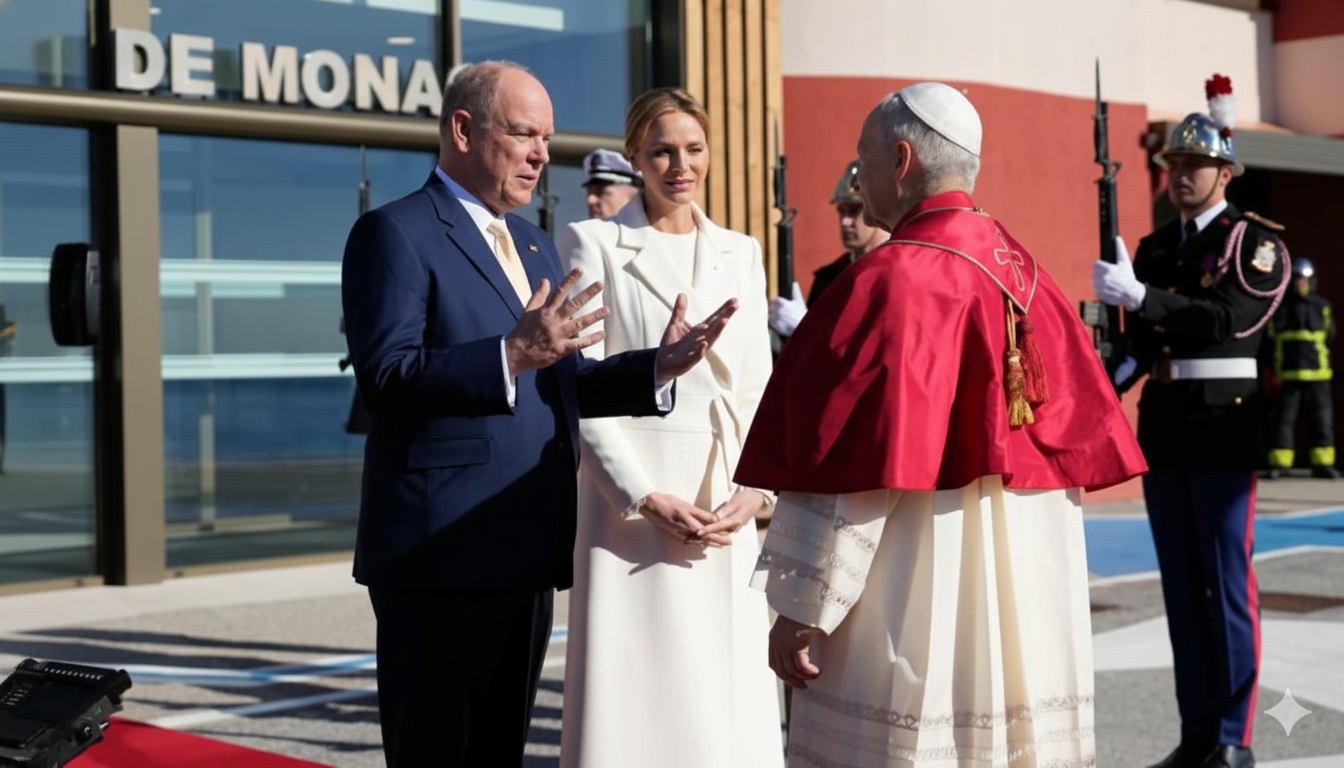
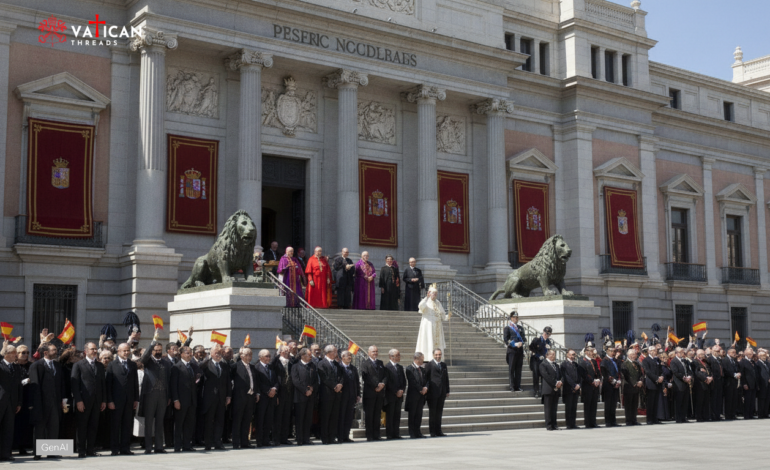
Expectations around the pope leo xiv consistory came into clearer focus during what Vatican News described as his Madrid stop in June 2026, when he addressed Spain’s Parliament and, as available reports suggest, framed lawmaking as a test of whether institutions protect the vulnerable. Rather than offering party-aligned prescriptions, he presented a broad rights agenda centered on the defense of human life, peace, and freedom of conscience, according to Vatican News. Some observers described the speech as a public preview of the leadership priorities he may reinforce when selecting senior Church figures. Reporting from Spain noted his emphasis on dialogue, unity, and ethical responsibility—themes that often surface when a pontificate signals what it wants from bishops and future cardinals, and could shape the pope leo xiv consistory.
Consistory Themes in the Parliament Speech on Life and Rights
Inside the chamber, Pope Leo XIV returned repeatedly to human dignity as the measure for evaluating legislation, and he argued that freedom is weakened when fear, exclusion, or pressure closes off conscience, as highlighted by Vatican News coverage of the visit. For additional context on his tone in Spain, see Pope Leo XIV Madrid visit: Faith Revival Tour Ahead, and that reporting also highlighted his appeal for Christians to be builders of unity in divided societies. Some Spanish commentary linked that line to governance expectations for Church leaders. His approach emphasized persuasion through reason and solidarity, as summaries of the visit suggest.
Ethical Oversight and Accountability as Selection Signals
In the Parliament address, he argued that modern governance needs ethical oversight equal to its technical capacity, particularly where finance and emerging technologies can outpace accountability, according to Vatican News reporting cited in broader coverage of the Spain trip. As a parallel example of how oversight debates surface in policy and markets, the public conversation on regulation and incentives is also visible in https://manhattang.com/bitcoin-etf-demand-battles-ai-for-dollar-liquidity/, where governance, innovation, and safeguards collide. He also pressed for transparency in public administration and for institutions that can explain decisions in terms citizens can scrutinize, linking credibility to enforceable standards rather than rhetorical commitments, as the Vatican News account summarized his remarks. Seen through a consistory lens, these points can be read as a signal that accountability is a crucial leadership expectation, though the Vatican has not presented the speech as a direct blueprint for appointments.
Spanish Reactions and Vatican Reporting from June 2026
Spanish lawmakers described the address as a direct appeal to institutional responsibility, with particular attention to his insistence on protecting life and defending freedom of conscience, according to reported reactions summarized in post-speech coverage. Cardinal Jose Cobo said Madrid showed the Pope is “a moral authority for everyone,” as reported by Vatican News, and several parliamentary figures echoed that assessment in subsequent remarks, according to available reports. Commentators also pointed to an upcoming pope leo xiv consistory as the next visible test of whether these themes will be reflected in appointments that emphasize service, transparency, and pastoral credibility, and readers tracking the same emphasis in his preaching can compare it with Pope Leo XIV Easter message: unity and peace in Barcelona.
What the Consistory Could Mean for Church State Relations
The Parliament appearance sharpened a familiar line in Church-state relations: the Pope can argue moral principles in public while leaving legislative choices to elected officials and constitutional processes in Madrid. Coverage from Barcelona highlighted his plea that Christians build unity in a divided world, reinforcing a model of witness that relies on dialogue and persuasion rather than privilege or coercion. In that framework, a consistory becomes a governance moment, because new senior Church leaders can either deepen credible engagement with pluralism or weaken it through inconsistency—an inference commentators have drawn rather than a formal Vatican statement. For a governance-focused perspective on these priorities, see Inclusive Church Governance: Pope Leo XIV Symposium, and the Spain visit, as indicated by available reports, suggested the Holy See expects mature participation in democratic life, where faith voices contribute through reasoned arguments, social solidarity, and coherence between words and conduct. The practical question after Madrid is whether leadership appointments align with the standards he articulated.