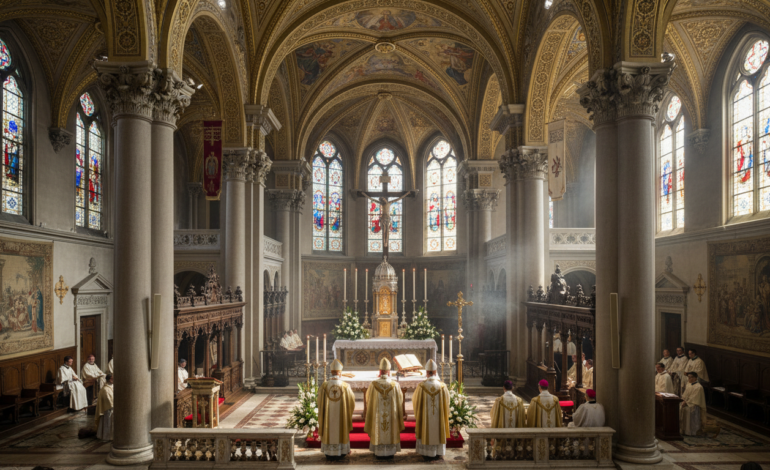

Pope Leo XIV’s Call for Peace and Unity
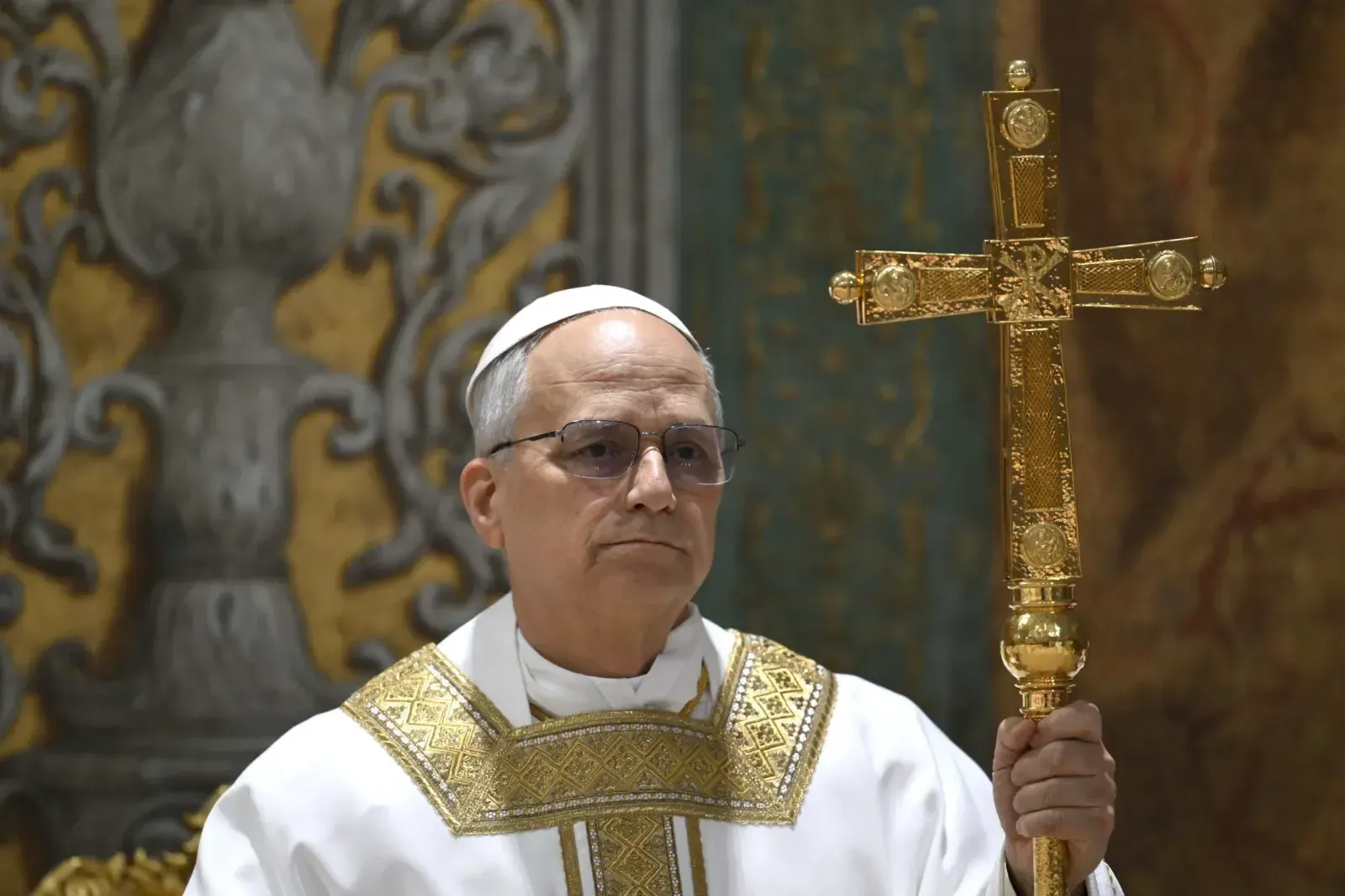
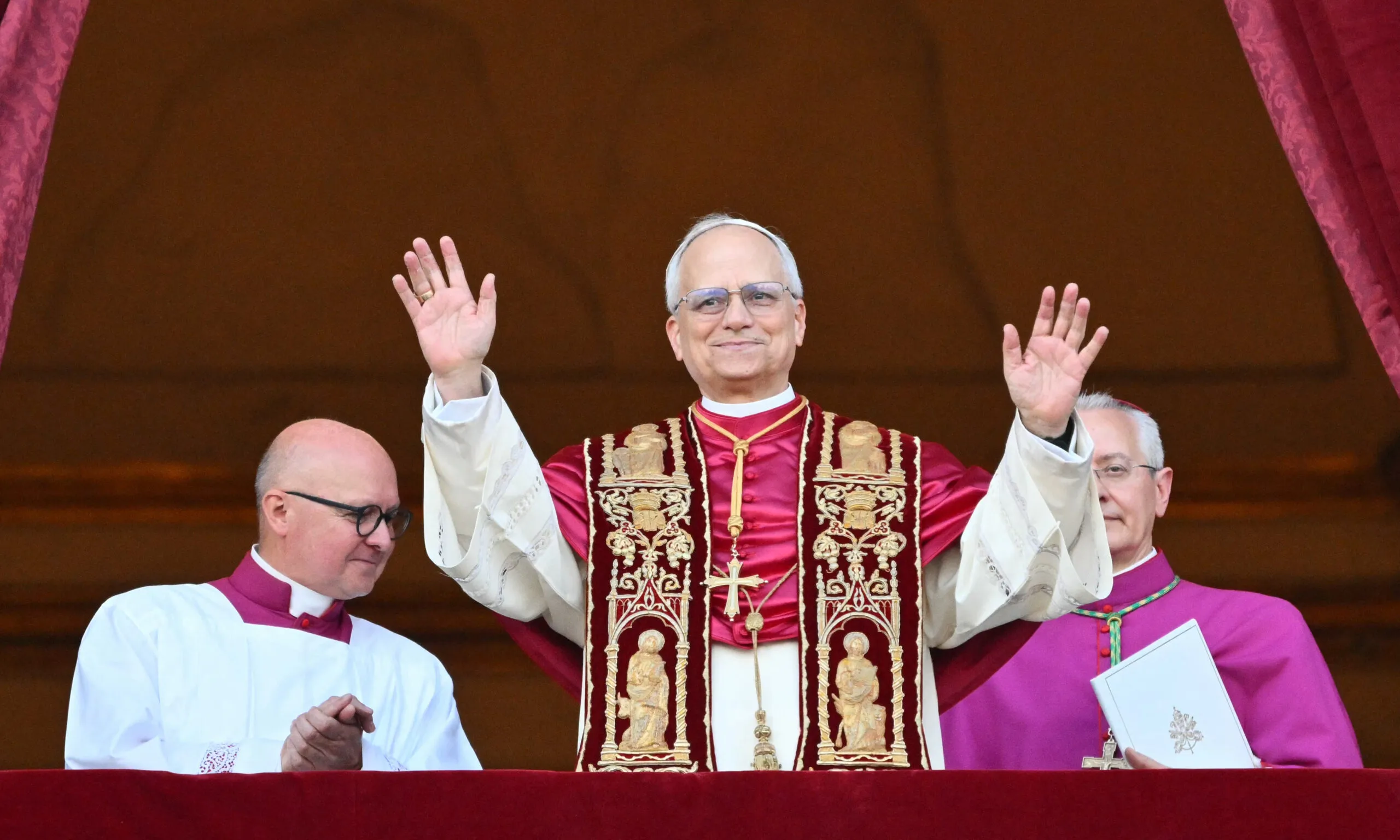
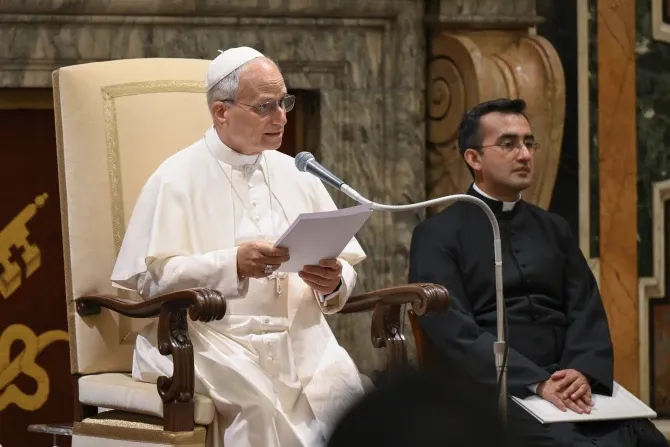
Today in Rome, Pope Leo XIV used the ordination liturgy to press a concrete pastoral priority, peace and unity in Church, aimed at parishes that are often stretched by mobility and social strain. In his homily, he urged the men being ordained to serve as builders of communion, not factional managers, and to read conflict as a call to patient listening. The Vatican framed the ceremony as a prompt for unity in the local Church rather than a symbolic promotion, and it landed as a Live reminder that episcopal authority is meant to heal. The message also carried an Update for clergy working across neighborhoods where polarization has become routine.
Roles of the Newly Ordained Bishops
The four new auxiliaries are expected to take on defined areas of governance and pastoral oversight inside the Rome diocese, where workload is distributed across vicariates, tribunals, and parish networks. Their auxiliary bishops ordination places them at the bishop’s side for confirmations, parish visitations, and crisis response, responsibilities that often intensify during major pilgrim seasons. Vatican communications indicated that the appointments are geared toward day to day accompaniment of priests and local communities, not abstract reform, and that priority will include coordination with charitable services. In a separate Vatican briefing on service to the poor, Vatican News on Pope Leo XIV and care for the poor highlighted charity as integral to Christian life, framing expectations for episcopal leadership. Today, that emphasis translated into practical oversight, and Live schedules are likely to shift quickly as assignments are finalized.
Significance of the Ceremony in Rome
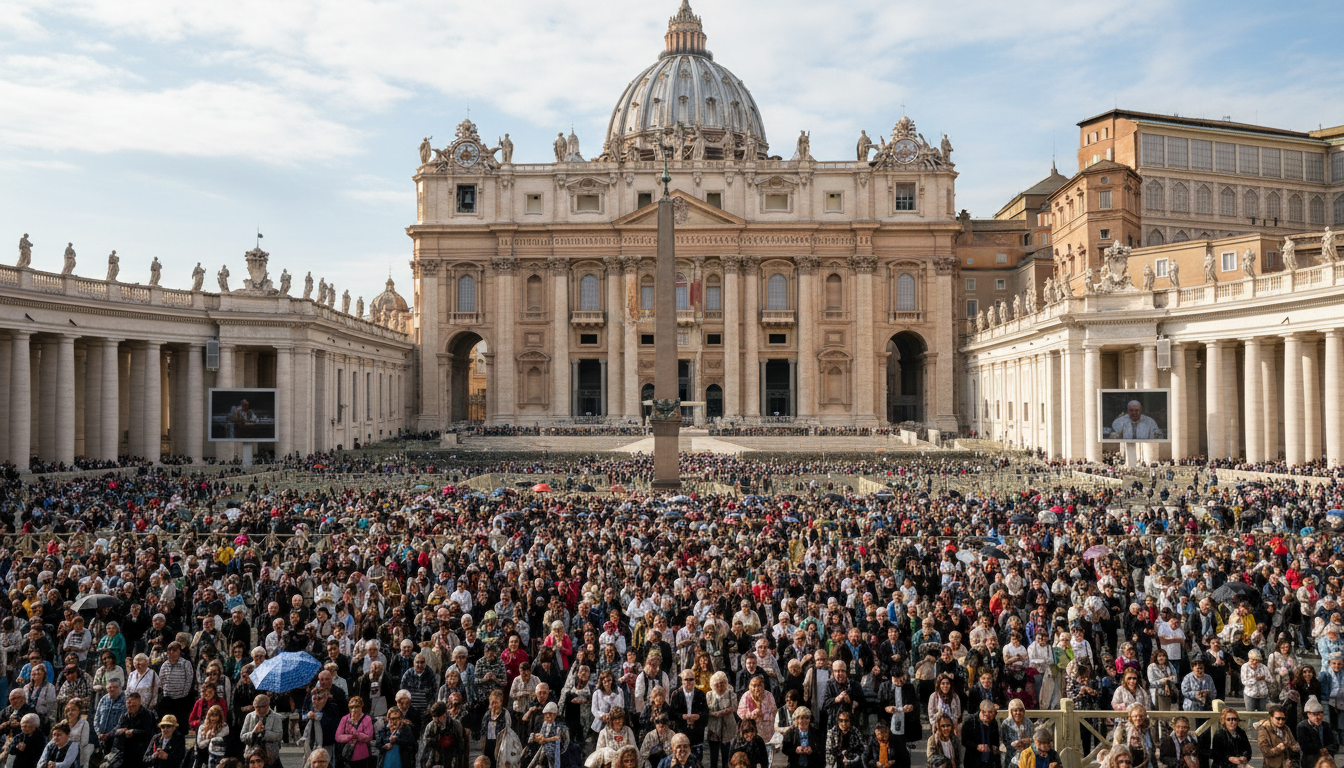
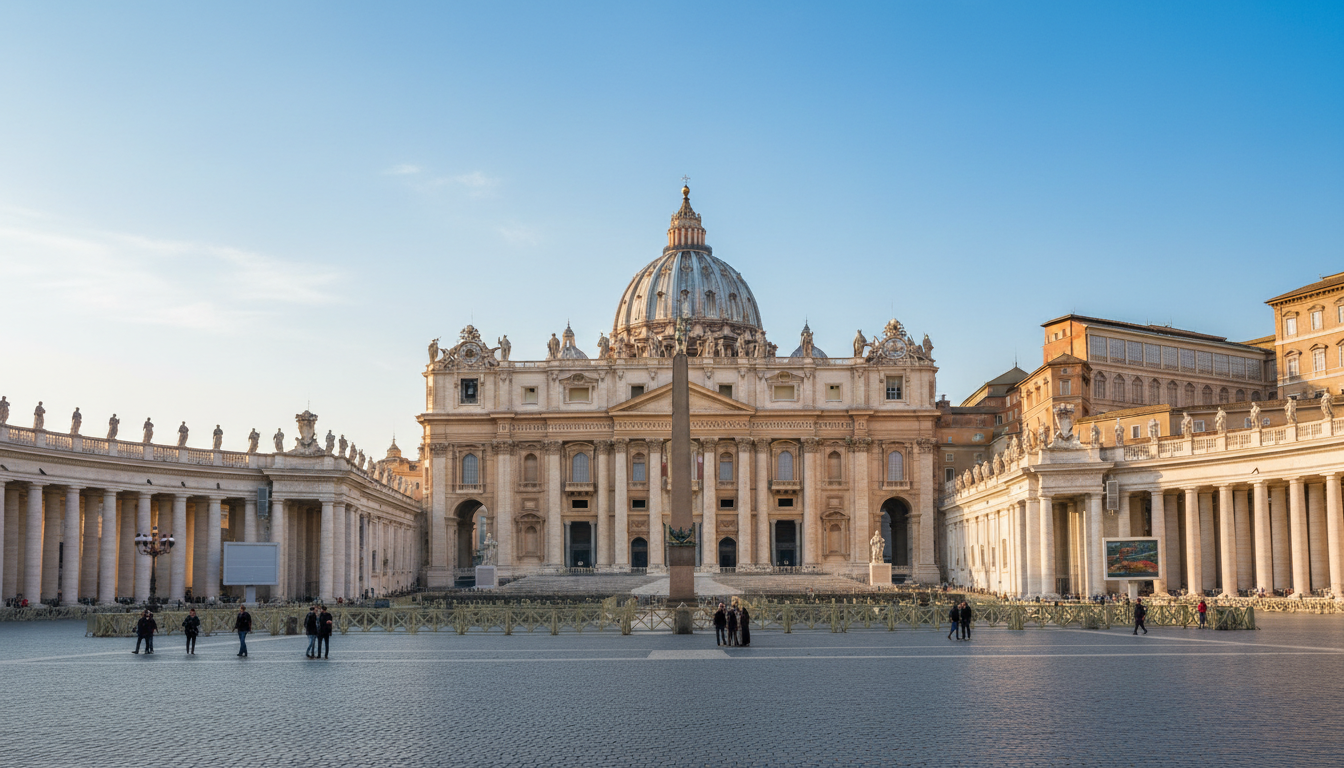
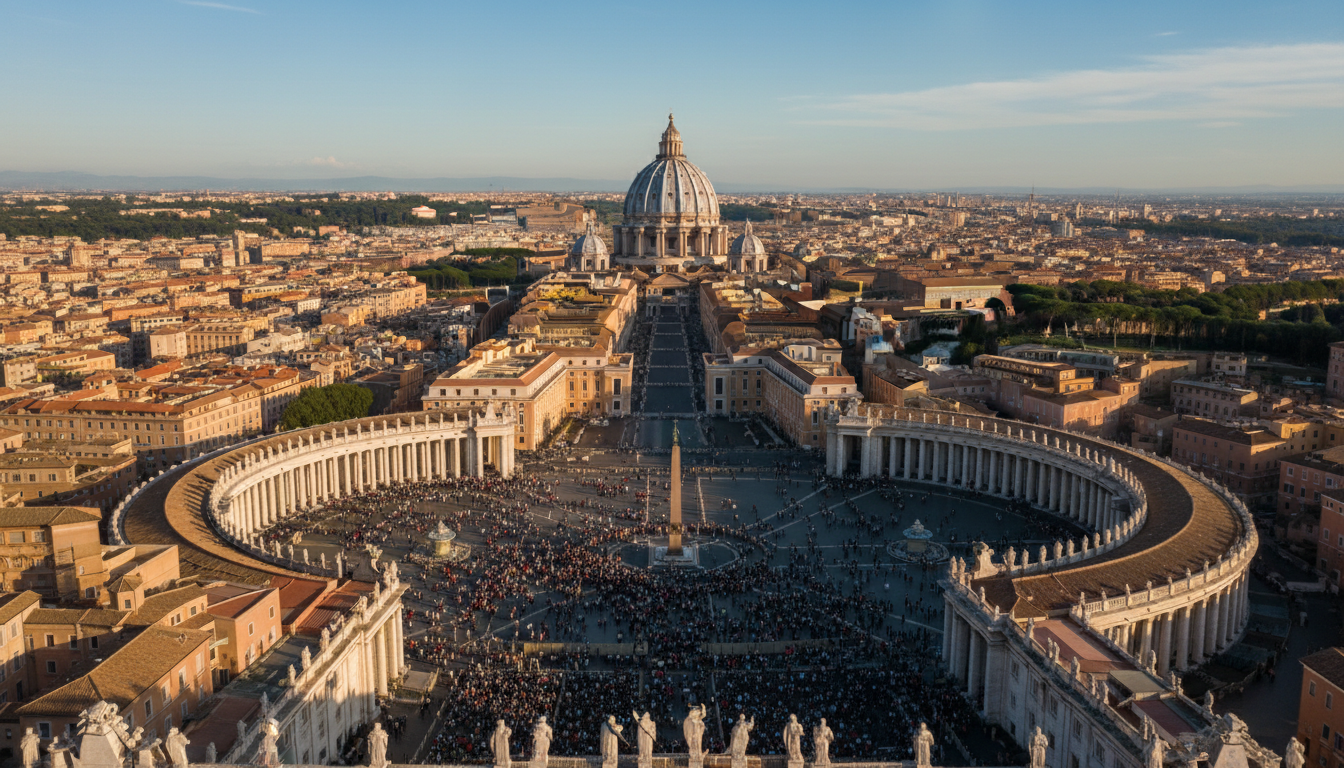
The ceremony carried added weight because it took place at the heart of the Rome diocese, where the Pope is bishop and auxiliaries often act as his closest pastoral delegates. The auxiliary bishops ordination also offered a public signal that the papal agenda is being implemented locally through appointments that can sustain parish life and diocesan administration. The Vatican’s coverage treated the event as an operational moment as much as a spiritual one, and the tone matched the need for steady governance in an urban see with global visibility. In the wider news environment, readers tracking institutions often look for governance cues, and a parallel example of fast moving attention cycles appears in Spotify rolls out Verified badges to flag artists, where credibility markers are made visible to the public. This Update from Rome, by contrast, used liturgy to communicate accountability, and Live observers in the city noted the emphasis on unity.
Historical Context of Auxiliary Bishops
Auxiliary bishops have long been a practical answer to the complexity of large dioceses, providing sacramental ministry and administrative reach when one ordinary cannot personally cover every community. In Rome, that tradition has specific stakes because the diocese includes dense parishes, institutions, and global Catholic touchpoints that generate continuous demands. The auxiliaries function as on the ground representatives for pastoral visitations and for the handling of sensitive cases that require consistent follow through. A recent internal reflection on pastoral direction, Pope Leo XIV urges truth in charity across Church, underscores how charity and truth are presented as linked duties, which historically has shaped expectations for episcopal conduct. Today, the renewed stress on peace and unity in Church connects that history to immediate supervision needs, and the Live calendar of confirmations and parish visits will test how quickly the new team can execute.
Future Impact on the Diocese of Rome
What happens next will be measured less by ceremony and more by how quickly the new auxiliaries assume portfolios, establish listening channels, and reduce bottlenecks in parish support across the Rome diocese. Early indicators will include their first public confirmations, clergy meetings, and coordination with diocesan offices that handle migration outreach, youth ministry, and safeguarding work, areas that demand clear lines of responsibility. The Vatican’s own media has set expectations for continuity in papal priorities, and that makes performance benchmarks unusually visible for a local appointment. The most immediate Update will be whether parish schedules and vicariate coordination improve as the bishops begin regular visitation patterns. Today, Rome’s clergy are looking for steadier response times and consistent guidance, and Live pastoral presence will be the standard by which the ordinations are judged in practice.