

Pope Leo XIV arrives in the Canary Islands
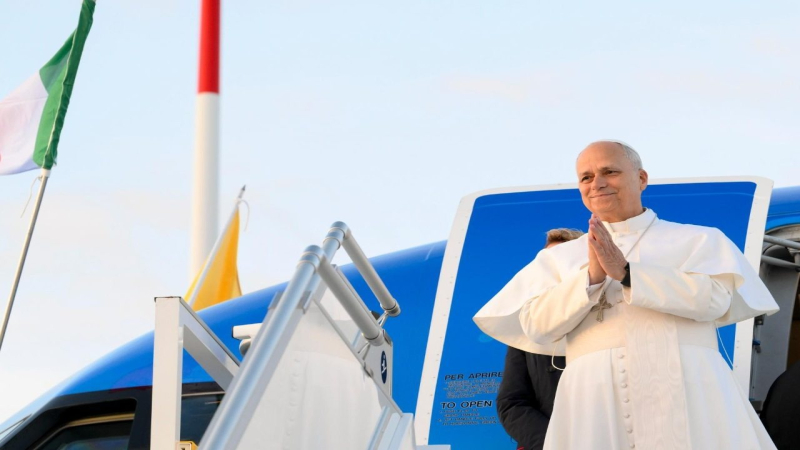
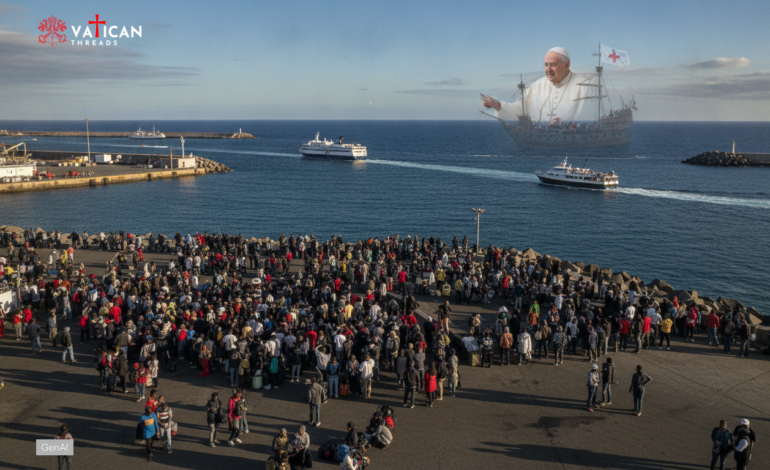
Pope Leo XIV arrived in the Canary Islands on 2026-06-14, according to Vatican News, with a schedule centered on pastoral encounters and meetings tied to migration along the Atlantic route. In remarks carried by Vatican News, he framed the stop as a moment to listen to families, volunteers, and officials engaged in what is often described as Europe’s frontline, according to available reports. Vatican News indicated the Spain trip drew attention to reception capacity and the strain placed on island services when arrivals rise, linking the theme to testimonies gathered on the ground. Local Church representatives said the objective was to blend prayer with practical cooperation across institutions and maintain a focus on lawful pathways and dignified care.
Migration context and key events of the Spain itinerary
Organizers described the Canary stop as part of a wider set of Spain events focused on humanitarian response and coordination between Church agencies and civil authorities. In available reports, Vatican News emphasized how island parishes, Caritas teams, and municipal services coordinate first reception, medical referrals, and documentation support when boats arrive, while Pope Leo XIV Spain visit: dates, aims, key events provided a timeline and itinerary context for the stop. Local officials and volunteers noted the practical pressure is most significant during sudden spikes, stretching shelter capacity and casework hours swiftly. A separate policy lens on technical coordination, though in a different field, was noted in SEC Plan Highlights Blockchain Technology in Markets, underscoring how complex systems still require clear rules and accountable oversight.
Stories of migrants: Ousman’s journey
Vatican News anchored the stop in one case study, portraying Ousman’s route from The Gambia to the islands and the risks faced at sea. The account, published by Vatican News in From The Gambia to the Canary Islands: Ousman’s journey, explains how displacement decisions often mix economic pressure, safety fears, and fragmented family support. Within that framing, the pope leo xiv spain visit is presented by Vatican News as public recognition of people who are often reduced to numbers in policy debates. Local Church sources explained the intent was not spectacle but a clearer view of what families endure before they reach a port, and what happens afterwards regarding paperwork, housing, and recovery.
Message on safeguarding, dignity, and coordinated care
In his Canary Islands interventions, Vatican News reported that the Pope avoided partisan slogans and pressed for shared duties that protect life and uphold law. For related Vatican reporting on protecting minors, see Rome Safeguarding Dialogues advance efforts to protect minors and end abuse. Vatican News summarized his emphasis on accompaniment, urging Church agencies, civil authorities, and international partners to coordinate rather than compete for visibility. Clergy also referenced safeguarding priorities, especially for minors and people traveling without stable family support, as an essential part of any response, according to Vatican News coverage of the visit. The message remained firmly humanitarian, focused on real capacity, measurable care, and accountability across institutions.
Local impact and what comes next after the Spain visit
On the islands, parish networks and municipal services described the immediate effect as a surge in coordinated volunteering and clearer lines between charity and state responsibility, as reported by Vatican News. Caritas and parish teams emphasized that emergency relief is only the first phase, followed by documentation support, medical referrals, and trauma care, according to Vatican News. For the wider itinerary and concluding moments, Pope Leo XIV Spain visit ends in Tenerife unity captured how organizers connected island events with broader messages delivered in Spain. Community leaders also highlighted the need to avoid social polarization, especially where housing and jobs are already tight. Within this context, the Spain journey was viewed as a legitimizing moment for frontline workers who often feel unseen. Church coordinators said next steps depend on predictable funding, interregional coordination, and stable referral pathways.