Reports Say Armenian Church in Stepanakert Destroyed as Cultural Heritage Concerns Intensify

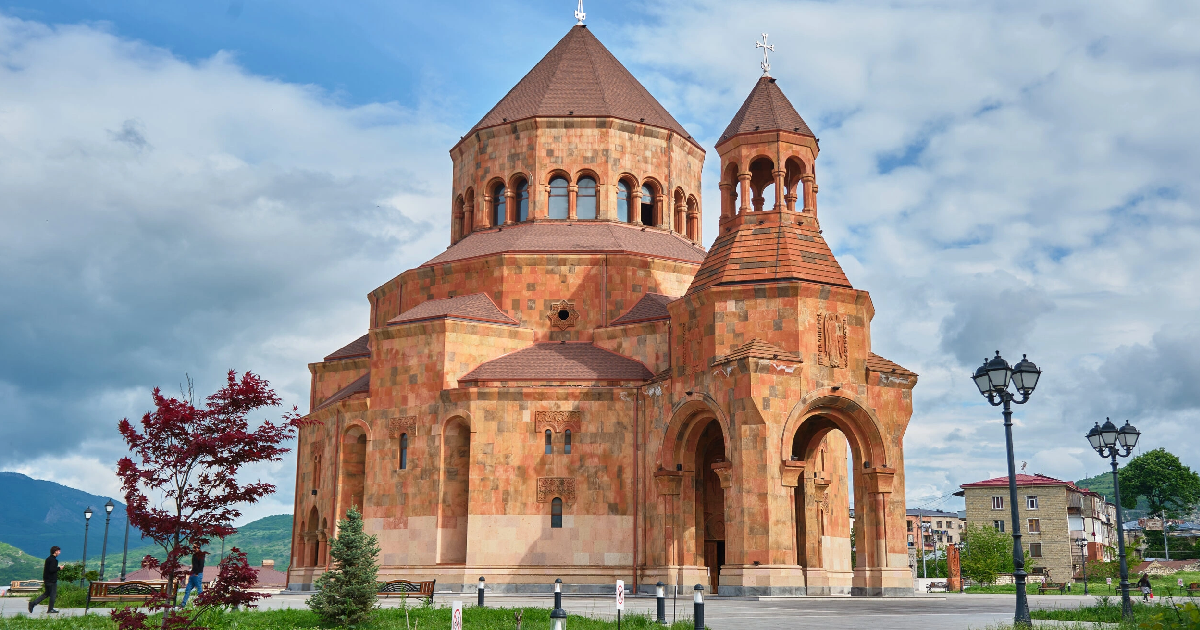
Concerns over the protection of religious and cultural heritage in the South Caucasus have intensified following reports that the Holy Mother of God Church in Stepanakert has been destroyed, according to findings supported by satellite imagery. The church, located in the former capital of the disputed region of Artsakh, was identified as demolished in recent weeks based on analysis conducted by independent researchers. The development has drawn attention from cultural organizations and observers who have been monitoring the condition of historic and religious sites in the region amid ongoing geopolitical tensions.
The reported destruction was highlighted after satellite images from early March and early April indicated significant changes to the site where the church once stood. Researchers analyzing the imagery stated that the structure appeared to have been removed within a short timeframe, though further high resolution data is expected to provide more clarity on the exact timing and method of demolition. The findings were shared publicly by organizations tracking cultural heritage in conflict zones, raising alarm among communities with historical ties to the region.
The Holy Mother of God Church held particular significance as a relatively recent place of worship, having been consecrated in 2019 after more than a decade of construction. Despite not being an ancient structure, it was seen as an important symbol of religious identity and continuity for Armenians in the region. Its reported destruction adds to a broader pattern of concerns surrounding damage, alteration, or removal of cultural and religious sites following the displacement of large populations during recent conflicts.
Observers note that the issue of cultural heritage protection in contested regions remains complex and politically sensitive, with different narratives surrounding responsibility and intent. International organizations and cultural preservation groups have repeatedly called for the safeguarding of religious landmarks regardless of political developments, emphasizing the importance of protecting sites that hold spiritual and historical value for communities. The latest reports are likely to renew calls for independent monitoring and greater transparency in documenting changes to heritage locations.
As the situation develops, experts continue to analyze satellite data and gather additional evidence to better understand what has occurred at the site. The case is expected to remain under close scrutiny by cultural heritage groups and international observers, particularly given its broader implications for the preservation of religious identity and history in regions affected by conflict. The reported demolition highlights the ongoing challenges in ensuring the protection of cultural landmarks in areas experiencing prolonged geopolitical instability.