

Vatican Agrivoltaic Project: Leo XIV plan and timeline
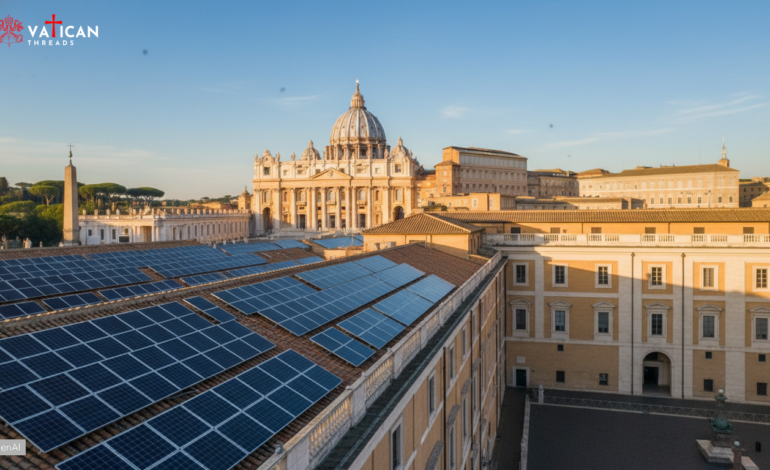
In June 2026, when Pope Leo XIV issued a chirograph establishing a dedicated foundation to manage an energy and land use program, the Vatican agrivoltaic project moved from policy language to delivery. The initiative links agricultural use with solar generation on land connected to the Holy See’s operations, with governance and accountability set in a formal act. As indicated by Vatican News, the approach is designed to produce measurable infrastructure outcomes rather than short-term campaigns. The creation of a single implementing body also signals that procurement, technical oversight, and reporting will be handled as an administrative priority, with clear responsibility for execution.
Fratello Sole Foundation governance and implementation role
The Fratello Sole Foundation is designed to manage the project lifecycle from planning to execution and oversight. According to reports from Vatican News, the foundation is the instrument created to implement the Vatican agrivoltaic project, which requires maintaining agricultural continuity while adding renewable energy generation on the same land. The official public record is detailed in Pope establishes Foundation to implement Vatican agrivoltaic project, and the Holy See’s choice of a foundation model emphasizes centralized responsibility, contract capacity, and continuity across multiple phases and contractors. For a separate example of how institutions treat governance as essential to deployment, see Google readies fresh smart glasses after Glass era.
Energy planning for Vatican City operations
The foundation’s mandate matters because it ties renewable energy procurement to operational resilience for Vatican services. Reports suggest that the program is an implementation project, implying expectations of real generation capacity rather than symbolic installations. With authority consolidated in one entity, the Holy See can define technical standards, compliance pathways, and reporting routines that make outputs auditable. For readers tracking governance decisions under Leo XIV, related institutional appointments are covered in Dicastery for Communication: Pope Leo XIV Names Prefect, and the Vatican agrivoltaic project also sends a planning signal to departments that land management and facilities strategy will be coordinated instead of fragmented. A parallel Vatican News item on leadership choices is Pope Leo XIV appoints lay woman Prefect of Dicastery for Communication.
How agrivoltaics combine agriculture and solar power
Agrivoltaic systems require careful engineering because crop health, soil access, and water management must remain compatible with solar arrays. Vatican News frames the planned approach as a way to generate renewable power while preserving agricultural use, which is the core promise of the model. In a small state context, where land is scarce and competing uses are tightly regulated, design choices will be decisive, and the Vatican agrivoltaic project will hinge on layouts that limit harmful shading while still producing meaningful electricity, along with maintenance routines that avoid soil compaction and keep farm logistics workable around structures. A foundation structure can also retain specialized expertise season to season instead of rebuilding capacity for each phase.
What the project signals for Church climate action
By creating a foundation rather than issuing a temporary directive, Leo XIV built a mechanism that dioceses and Catholic institutions can examine for replication. The move places sustainable development inside governance design, showing how priorities become contracts, supervision, and continuity beyond a single construction milestone. Vatican News suggests that the Fratello Sole Foundation is intended as an implementation instrument with a defined mission, supporting credibility in discussions with public authorities and utilities, and the Vatican agrivoltaic project may also strengthen internal coordination by demonstrating how land-based livelihoods can coexist with renewable energy infrastructure. For additional context on Vatican climate messaging, see Vatican announces theme for 2026 World Day of Prayer for the Care of Creation.