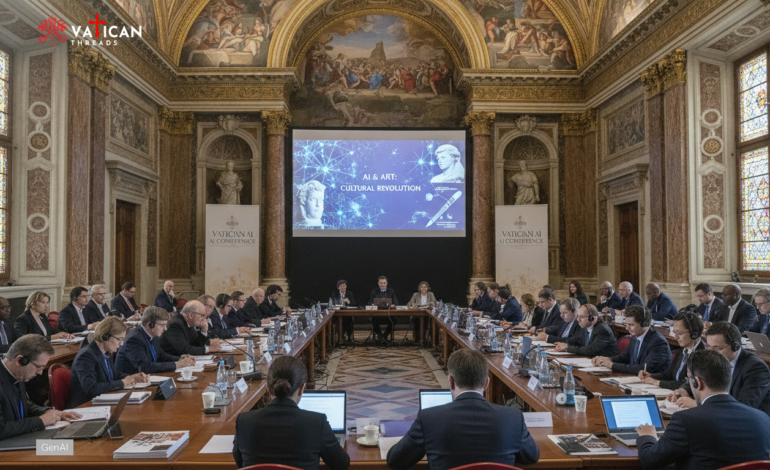

Vatican AI conference opens debate on art and culture
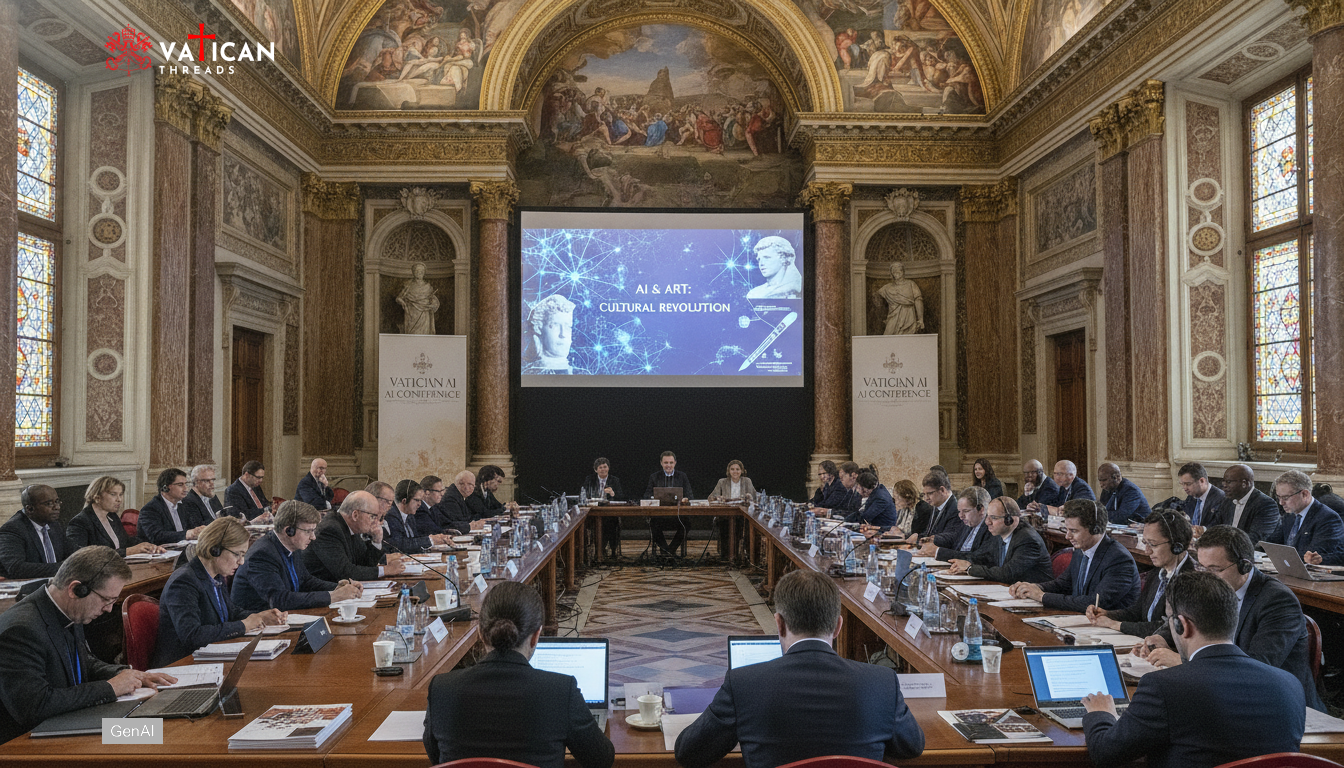
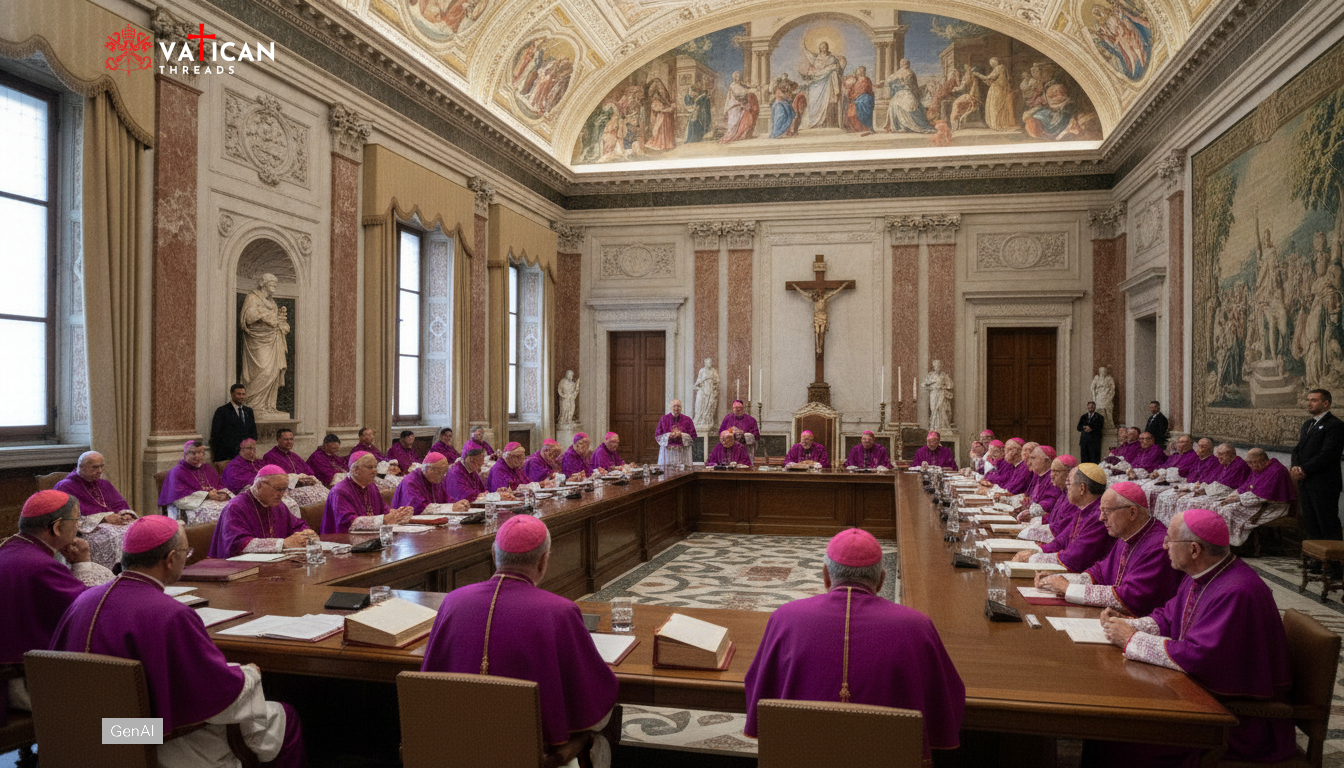
As reported by Vatican News, Church officials, museum leaders, and invited researchers met in Vatican City in September 2026 to examine how machine learning is reshaping cultural production. Organizers said artists and museums are already facing questions about provenance, consent, and creative labor as generative systems enter mainstream workflows. In the opening sessions, the Vatican AI conference was described as a practical forum for curators, technologists, and ethicists, centered on institutional choices. The agenda emphasized engaging innovation without weakening standards for authorship, accountability, and human dignity.
AI tools in art: what the Vatican AI conference heard
In sessions described by speakers and summarized in coverage, panels reviewed tools that can accelerate drafting, restoration analysis, and translation across archives, while acknowledging that the same systems can replicate style at scale. Speakers referenced reporting and remarks summarized by Vatican News on the creativity boom and needed brakes, including the warning that AI may potentially trigger an “explosion of creativity” but still needs strong constraints. As a parallel debate about value and authenticity, attendees pointed readers to NFT Investments: A Fresh Take on Strategy, while participants also discussed access versus concentration, noting that a small number of model providers can influence distribution and taste.
Prudence, consent, and legal accountability
Ethicists argued that guardrails should begin before deployment, with attention to data sourcing, consent, and clear legal responsibility for outputs. At the Vatican AI conference, several interventions highlighted that training data can include copyrighted works or culturally sensitive material, which may raise risks for creators and institutions. In practical terms, participants said contracts for creative technology should require disclosure duties, audit rights, and documentation for model behavior and outputs. They also discussed the potential for reputational harm when synthetic content is displayed without labeling, especially in museums and archives that depend on public trust. The conference returned to the point that responsibility should remain traceable to real decision makers.
Governance inside Church cultural institutions
Discussion then turned to how Church cultural bodies can translate principles into operating rules for exhibitions, commissions, and acquisitions, as discussed by participants. One strand focused on authorship and attribution, including what may count as original work when a model proposes composition, palette, or phrasing. Another addressed curatorial integrity, such as preserving a human narrative voice when translation, captioning, or catalog descriptions are automated. The Vatican AI conference was presented as a way to convene cross-disciplinary expertise without reducing ethics to public relations. A related internal example of training frameworks for new responsibilities was linked through Vatican bishops formation course in Rome trains new leaders.
Next steps for AI and the arts
Closing remarks focused on near-term policies and collaborations for the next cycle of exhibitions, grants, and acquisitions as generative systems become embedded in studio practice, according to participants’ summaries, after a final session held in Vatican City. Participants supported standards intended to preserve artist agency, including opt-out approaches for datasets and clear labeling of synthetic elements in public-facing works. Others proposed joint research with universities on evaluation methods that can detect style cloning and document lineage for outputs. The conference also noted potential impacts beyond galleries, including liturgical art, education materials, and heritage digitization shaped by automation choices. Organizers signaled that follow-up sessions would prioritize applied guidelines and shared vocabulary so that AI can serve creativity without eroding trust, a theme echoed in Pope Leo XIV: ecological conversion to heal creation.