

Vatican bishops formation opens in Rome for new bishops
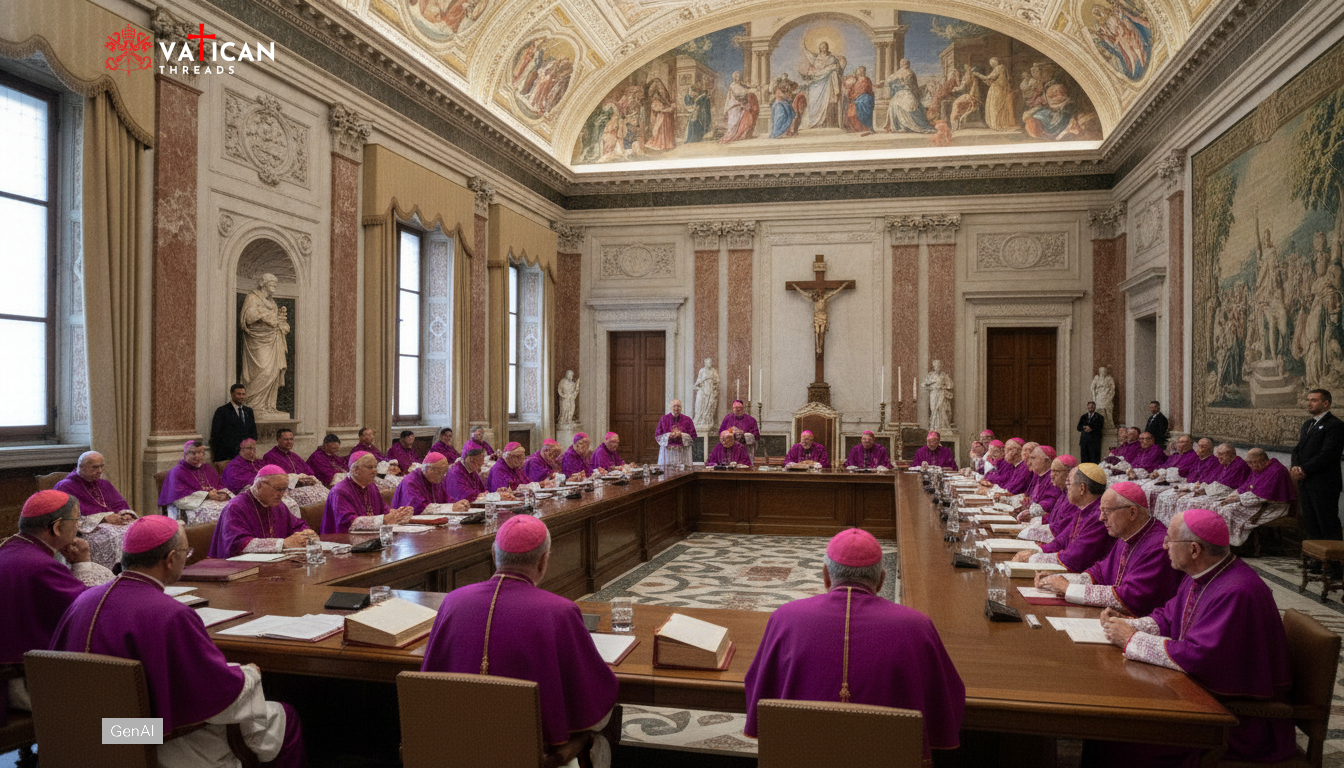
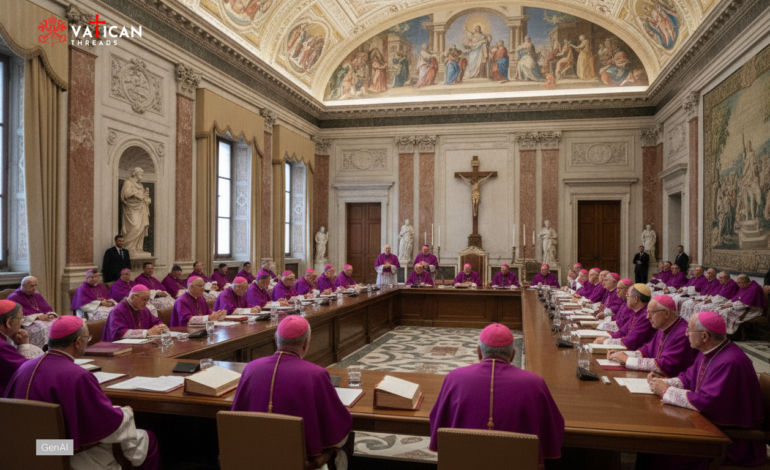
A new group of newly appointed bishops arrived in Rome for a formation course hosted by Vatican offices that support episcopal ministry, according to Vatican News. In the first sessions, the Vatican bishops formation program was presented as a practical course linking spiritual renewal with governance skills and pastoral priorities, as organizers described it. Organizers outlined a schedule of conferences, prayer, and peer exchange intended to help bishops face early leadership decisions after appointment. According to Vatican News, the initiative aims to strengthen unity in teaching and service across local Churches while creating space for frank discussion of diocesan challenges. The course is also framed, in Vatican News reporting, around mission as the organizing principle for ministry, administration, and public witness.
Mission, ministry, and liturgy in bishop formation
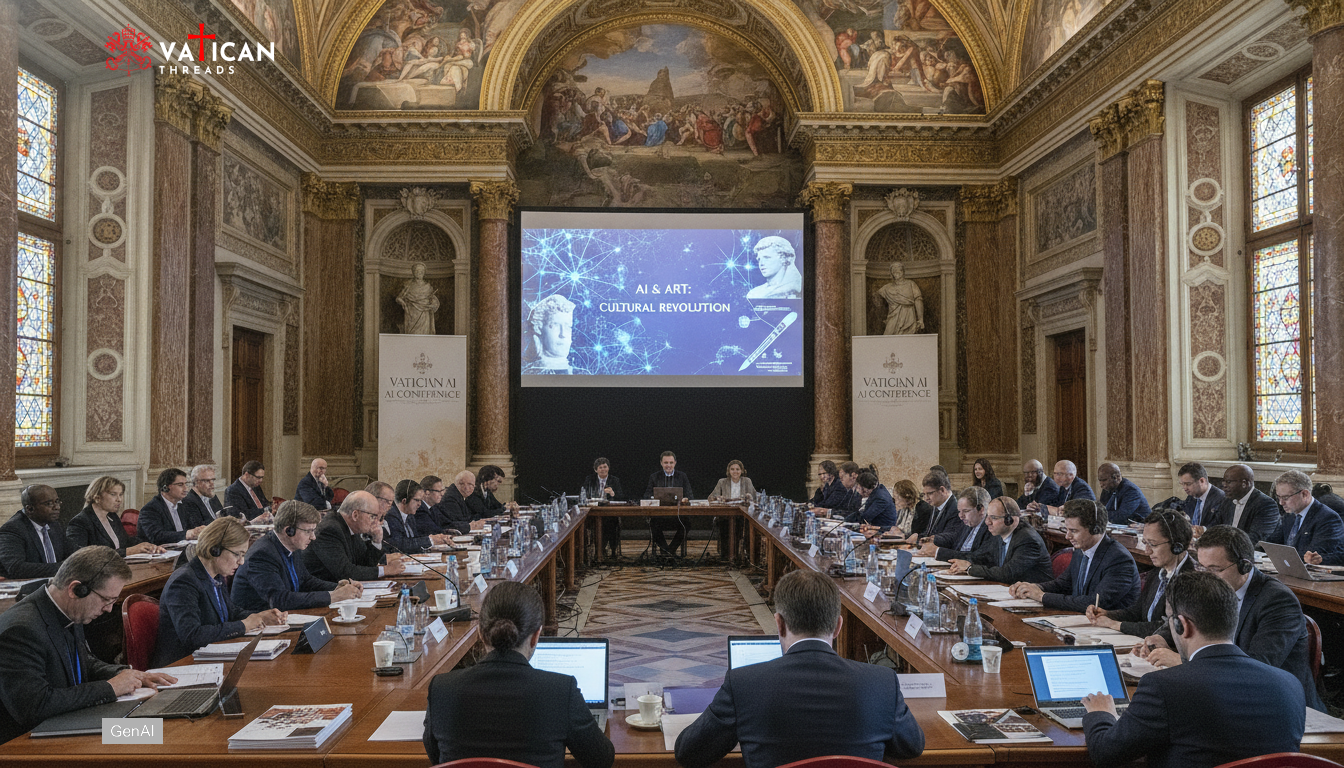
As suggested by Vatican News, sessions focus on the core tasks entrusted to a bishop, including preaching, sanctifying, and governing in day-to-day diocesan realities. Faculty members addressed mission planning, oversight of clergy assignments, and how liturgical life can shape parish culture beyond major celebrations, as described in the same coverage. Speakers also raised questions about communication and discernment, citing AI will provide an explosion of creativity, but brakes are needed when discussing digital culture and leadership judgment. Vatican News detailed the program themes in its report, summarized in New Bishops gather in Rome for formation course. A related perspective on compliance culture and reporting behavior was circulated via EU Workplace Legislation Gets Edgy: Stress and Harassment on the Table.
Safeguarding and accountable governance standards
Safeguarding and accountable administration were treated as governance essentials rather than optional add-ons, with sessions on norms, reporting pathways, and pastoral care for victims, according to Vatican News coverage of the course. In that reporting, abuse prevention and church governance were addressed side by side, urging bishops to set clear expectations for clergy and lay collaborators. A comparative case-study segment asked participants to identify early warning signs in institutional culture, strengthen supervision of seminaries and youth ministries, and document decisions consistently, as presented in the program discussions described by Vatican News. For cross-portal context on how institutions handle emerging legal frameworks, participants referenced NFT legal service: courts test airdrops for papers as a parallel case about procedural clarity and enforceable records. One workshop also reviewed practical controls for diocesan finance and property, including approvals, delegation limits, and audit readiness, as the course materials were summarized in reporting.
Audience with Pope Leo XIV and pastoral expectations
As reported by Vatican News, it is suggested that the course included an audience with Pope Leo XIV, giving bishops a direct encounter with the pontiff at the start of their assignments. For related reporting on the Pope’s recent outreach connected to disaster solidarity, see Pope Leo XIV Consistory: Colombia Quake Outreach, which Vatican News reported as reinforcing expectations to combine closeness to the people with fidelity to Church teaching and careful stewardship of diocesan resources. In that account, the Pope emphasized pastoral presence, especially in moments of crisis, grief, and public scrutiny, while reminding bishops that administration serves mission rather than replacing it. Vatican News said the audience concluded with prayer and a charge to keep evangelization and credible leadership together in every local Church.
How the Rome course shapes bishops for global leadership
By the final sessions, instructors pressed participants to convert course material into immediate diocesan plans, including staffing decisions, financial controls, and pastoral visitation patterns, according to Vatican News. Vatican News emphasized that the Vatican bishops formation is intended to strengthen communion among bishops and deepen shared responsibility for the universal Church, while helping new leaders avoid isolation when cases involve law, media attention, and internal conflict. Participants noted, in course exchanges described in reporting, that peer discussion can shorten the learning curve when arriving in a diocese with unfamiliar institutions and expectations. The Rome-based bishops formation course was described as a continuing reference point, encouraging follow-up consultation with Vatican dicasteries and episcopal conferences after the sessions end. The concluding emphasis, as summarized by Vatican News, remained on mission rooted in prayer and transparent governance in every local Church—an approach aligned with the broader aims of Vatican bishops formation.

1 Comment
[…] Vatican Governance Structure September 2, 2026 […]