
What Vatican diplomacy means in practice
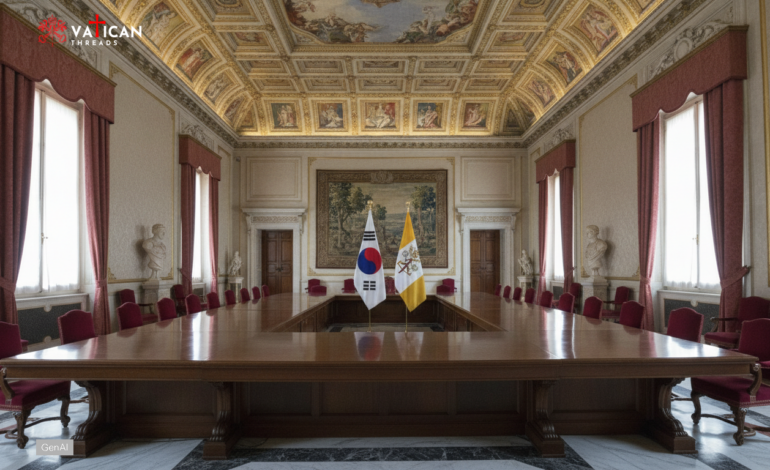
The Holy See’s method of engaging states through moral authority, quiet mediation, and long term relationship building rather than military or economic pressure is known as Vatican diplomacy. It operates through the Secretariat of State, formal audiences with leaders, and sustained back channel contacts designed to keep dialogue possible during crises. As indicated by available reports, a clear example came in June 2026, when Pope Leo XIV received the President of the Republic of Korea at the Vatican in an official audience reported by Vatican News. The meeting shows how Vatican diplomacy blends protocol with pastoral priorities, seeking space for peace, humanitarian concerns, and regional stability while maintaining a nonpartisan tone. In this framework, the visit is not just a photo opportunity but a structured diplomatic tool.
How Vatican diplomacy works: tools, channels, and aims
In day to day terms, Vatican diplomacy relies on recognitions, visits, and carefully worded public communication that signals openness without escalating tensions. The Holy See often prioritizes dialogue, religious freedom, and protection of vulnerable communities, while keeping relationships workable with different political systems. Public attention can shift to unrelated global stories, for example https://manhattang.com/nft-market-trends-prices-slide-as-interest-cools/, but those aims are pursued through papal audiences, meetings hosted by the Secretariat of State, and coordination with local churches, all of which help leaders speak candidly in a setting that is less adversarial than many multilateral forums. These channels matter most around formal Vatican City encounters like the June 2026 audience.
The Korea president audience: what happened and what was said
Pope Leo XIV welcomed the President of the Republic of Korea at the Vatican in June 2026, continuing a pattern of the Holy See receiving heads of state for formal exchanges. The report framed the conversation around themes associated with peace and cooperation, matching the Holy See’s established diplomatic posture of encouraging reconciliation and dialogue. The official Vatican News account is available at Pope welcomes the President of the Republic of Korea to the Vatican, and it emphasizes continuity and tone over dramatic policy announcements. Vatican diplomacy was visible in the structure of the encounter: an official audience, an exchange of views, and the standard courtesies that allow both sides to reaffirm channels even when no treaty or joint statement is announced.
Why it matters for Korea-Vatican relations and peace
For Korea-Vatican relations, the audience matters because it preserves direct access to a trusted interlocutor when sensitive regional issues intensify. Vatican diplomacy can support peace efforts by keeping communication open, reinforcing norms around dialogue, and offering a venue where leaders can discuss humanitarian concerns without public grandstanding. The Pope’s public emphasis on peace in visible pastoral settings adds context for how diplomatic meetings are framed, including related coverage such as Pope Leo XIV visits Sagrada Familia with peace appeal. It also helps sustain institutional links that often outlast electoral cycles, since the Holy See’s approach is designed for long timelines. Taken together, these signals show a consistent message: peace building remains on the agenda even when outcomes are deliberately incremental.
What comes next: realistic expectations from Vatican diplomacy
What typically follows an audience like this is sustained follow up rather than immediate announcements. Vatican diplomacy tends to move through the Secretariat of State, continued contacts with embassies, and occasional public statements that keep shared priorities visible while leaving room for private negotiation. The Vatican’s broader institution building work also appears in other official initiatives, such as the Vatican News report on a renewable energy agreement near Rome at Holy See signs agreement for renewable energy project near Rome. Future engagement could include humanitarian coordination, cultural and educational exchanges, or renewed discussion of regional stability, depending on conditions and the willingness of parties to keep talking. In this case, the Korea audience functions as a stabilizing signal: Vatican diplomacy is active, patient, and oriented toward dialogue.