


Cardinal David Warns Modern Warfare Risks Turning Human Tragedy Into Digital Distance
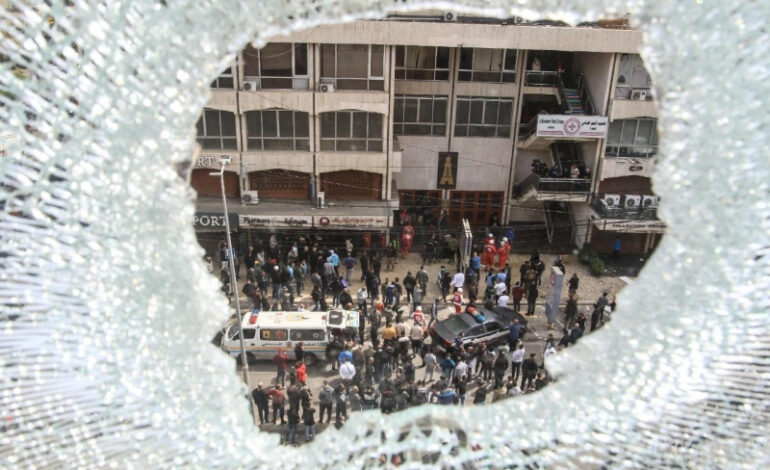

A senior Catholic leader in Asia has warned that modern technology risks making warfare appear detached from the real human suffering it causes. Cardinal Pablo Virgilio David, Vice President of the Federation of Asian Bishops’ Conferences, reflected on the escalating conflict in the Middle East and expressed concern that contemporary military operations increasingly resemble remote digital systems rather than direct human encounters. His comments come as tensions between Israel, Iran and other regional actors continue to intensify, with missiles and drones crossing multiple borders and expanding the scope of the conflict beyond its initial flashpoints.
The Cardinal noted that what began as a limited military action quickly evolved into a broader confrontation affecting several countries across the region. Early strikes described as preventive operations were followed by waves of retaliation, including missile and drone attacks directed toward Israel and military facilities associated with the United States across the Gulf region. Air defense systems in several countries have intercepted incoming projectiles while additional military operations have extended into areas of southern Lebanon. Within a few days the conflict spread across numerous territories, creating fears that the situation could develop into a wider regional crisis.
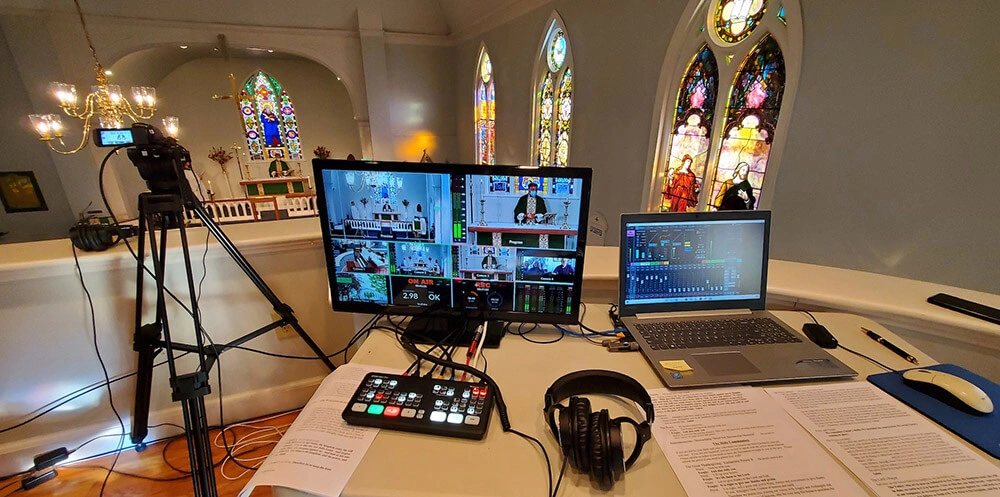
Reflecting on the nature of contemporary warfare, Cardinal David highlighted how many military operations are now conducted through digital command systems that rely on satellites, drones and algorithm driven targeting. From command centers far removed from the battlefield, operators watch screens that display maps and signals while selecting coordinates for missile launches. According to the Cardinal, such technology can create the impression that warfare is controlled and precise. Yet the digital interface hides the human consequences that unfold when weapons reach their targets. Behind every coordinate on a screen are neighborhoods, homes and communities where ordinary people live their daily lives.
He emphasized that the victims of modern warfare are often civilians who have no connection to political or military decisions made by national leaders. Families living in residential buildings, hospitals or crowded streets can suddenly find themselves caught in the violence when missiles slip past air defense systems. The Cardinal explained that the devastation left behind by such attacks cannot be reduced to numbers or symbols on a radar screen. Once the explosions end, the casualties are human beings whose lives are permanently altered. In his view, technology must never allow societies to forget the human dignity and suffering that remain at the center of every armed conflict.
Cardinal David also drew attention to the wider global impact of war, particularly on migrant workers and seafarers who live and work across the Middle East. Millions of foreign workers support families in their home countries through employment in hospitals construction sites hotels and private homes throughout the Gulf region. Many of them could face danger if the conflict spreads further. Seafarers navigating strategic shipping routes such as the Strait of Hormuz may also become vulnerable if maritime corridors turn into zones of confrontation. These workers often find themselves far from home yet directly exposed to the consequences of geopolitical tensions.
The Cardinal warned that the economic effects of war can extend well beyond the battlefield. Disruptions to energy routes and international shipping can trigger price increases and economic instability in countries that depend heavily on imported resources. Poorer nations are often among the first to feel these shocks while wealthier powers remain better equipped to absorb the impact. According to Cardinal David, this reality raises difficult moral questions about who ultimately benefits from armed conflicts. He suggested that the primary beneficiaries are often industries connected to weapons production rather than the communities affected by violence.
In reflecting on the broader moral implications of war, Cardinal David urged global leaders and societies to examine the ease with which conflicts can now begin. In an age when advanced technology allows military decisions to be executed with a single command, he said humanity must ask whether enough responsibility is placed on those who initiate such actions. He argued that when war is launched in the name of security or strategic advantage the world must still confront the ethical consequences of those decisions. The Cardinal concluded that those directing military operations from distant command centers rarely witness the human cost that remains long after the screens go dark.