


Holy See urges peace and diplomacy as essential to ending global hunger amid Middle East crisis
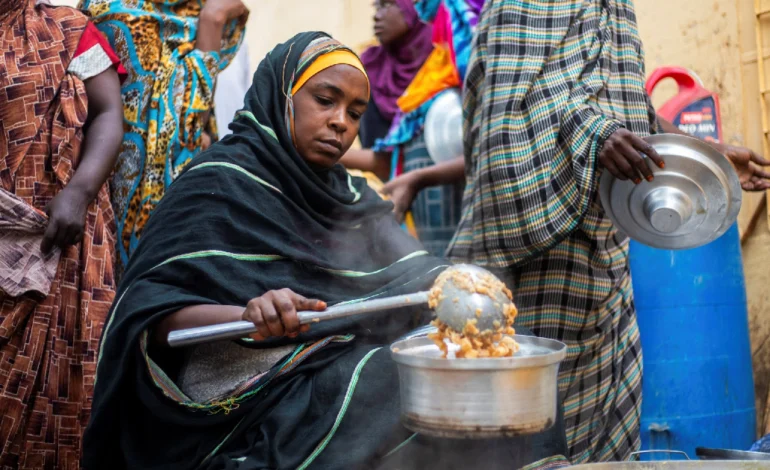

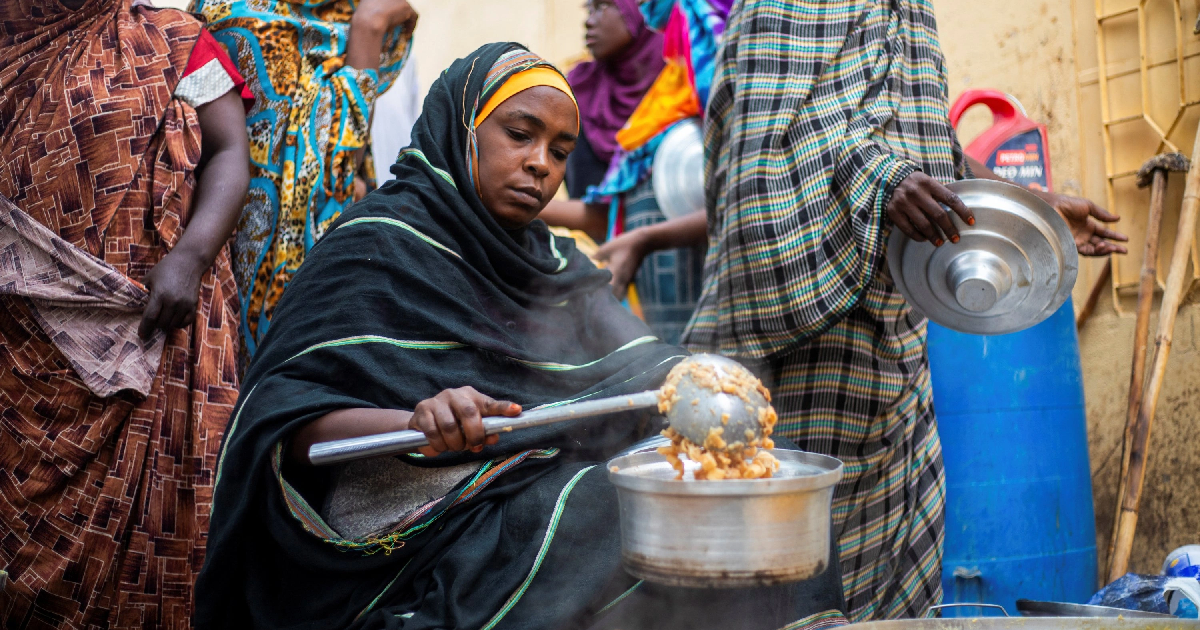
The Holy See has called for urgent international action to address rising food insecurity driven by ongoing conflicts and climate related disruptions, warning that peace remains the most critical factor in the global fight against hunger. Speaking through its Permanent Observer to major United Nations food agencies, the Holy See highlighted the growing impact of instability in the Middle East and parts of Africa on agricultural production, supply chains, and access to essential food resources. The statement was delivered during a high level regional conference focused on strengthening agro food systems under pressure from multiple global crises.
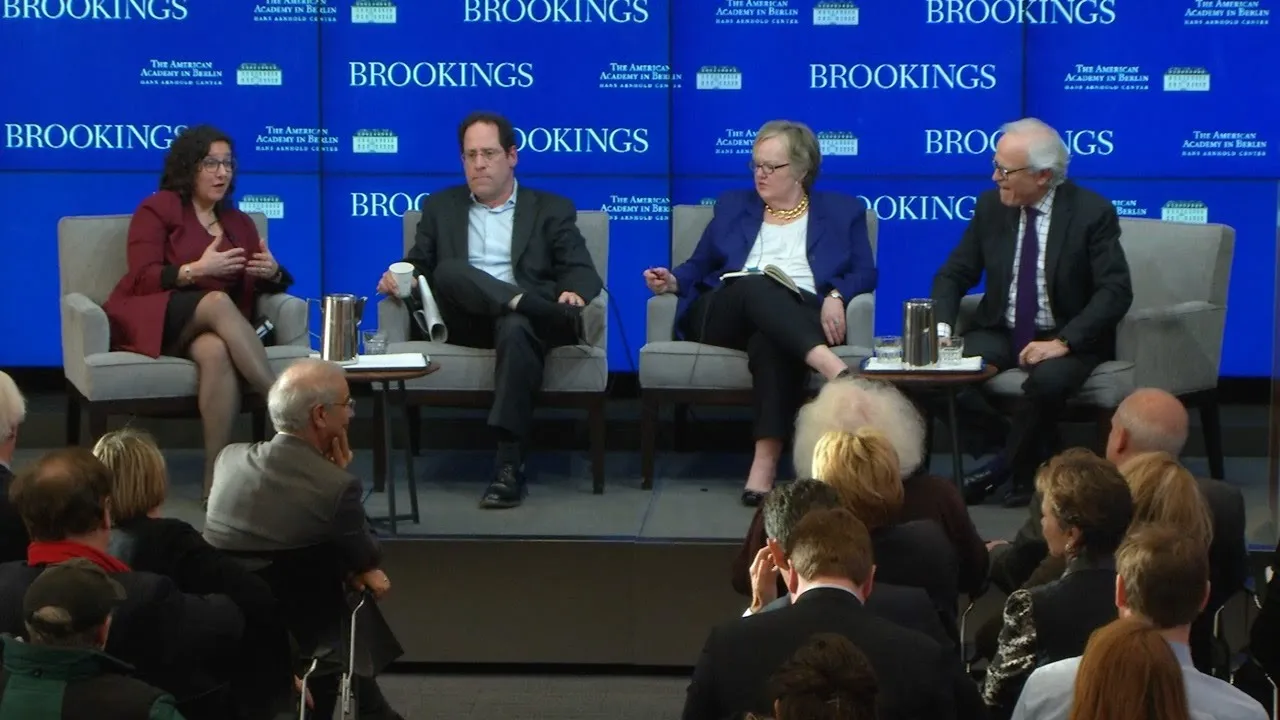
Archbishop Fernando Chica Arellano, representing the Holy See at the session, addressed the 38th Regional Conference for the Middle East, where experts and policymakers gathered to assess the impact of systemic shocks on food security. He stressed that armed conflict, combined with increasingly severe weather events, is driving vulnerable populations deeper into poverty and hunger. According to his remarks, disruptions in agricultural production and trade networks are not only affecting local communities but are also contributing to wider global instability in food markets, placing additional strain on already fragile economies.
The Holy See emphasized that stabilizing food systems requires coordinated international cooperation and immediate measures to protect those most at risk. It warned that without decisive action, millions more people could face acute food insecurity in the coming months. The statement underlined that the intersection of war, economic instability, and environmental challenges is creating a complex humanitarian crisis that demands both political commitment and practical solutions from governments and international institutions.
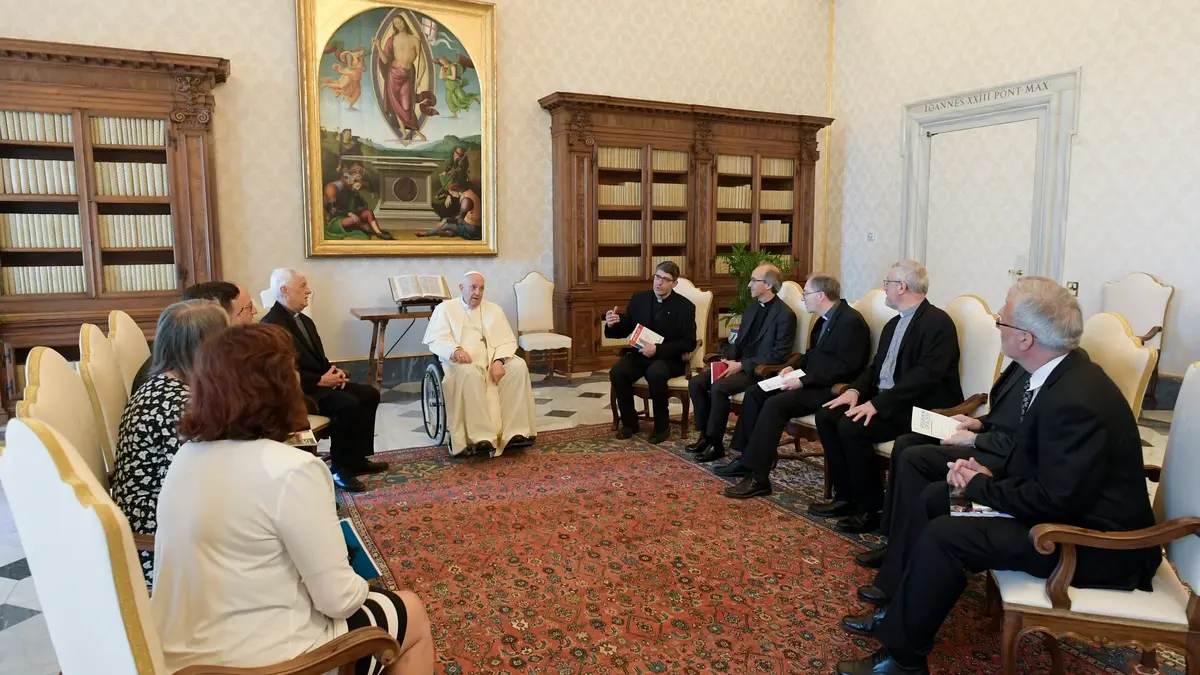
In its appeal, the Holy See echoed recent calls for diplomacy made by Pope Leo XIV, who has repeatedly urged global leaders to prioritise dialogue over conflict in order to secure long term peace and sustainable development. The message reinforced the idea that lasting solutions to hunger cannot be achieved without addressing the root causes of instability, particularly in regions affected by prolonged violence. Officials stressed that peacebuilding and humanitarian assistance must work together to create conditions where food systems can recover and thrive.
The intervention at the FAO forum reflects growing concern within the Vatican over the humanitarian consequences of global conflicts, especially in regions where food insecurity is already widespread. As international agencies continue to assess the scale of the crisis, the Holy See has reiterated its commitment to supporting efforts that promote solidarity, protect vulnerable communities, and strengthen global cooperation. The appeal serves as a reminder that food security is closely linked to peace, stability, and shared responsibility among nations.