
Decision Making Inside Vatican Affairs Structure and Authority
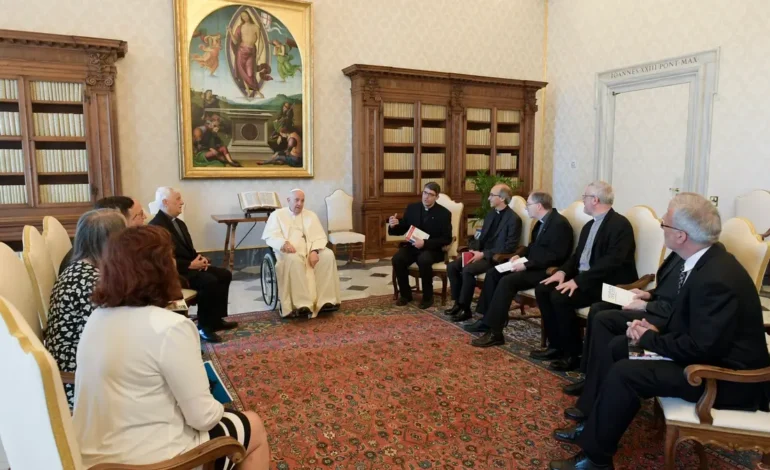

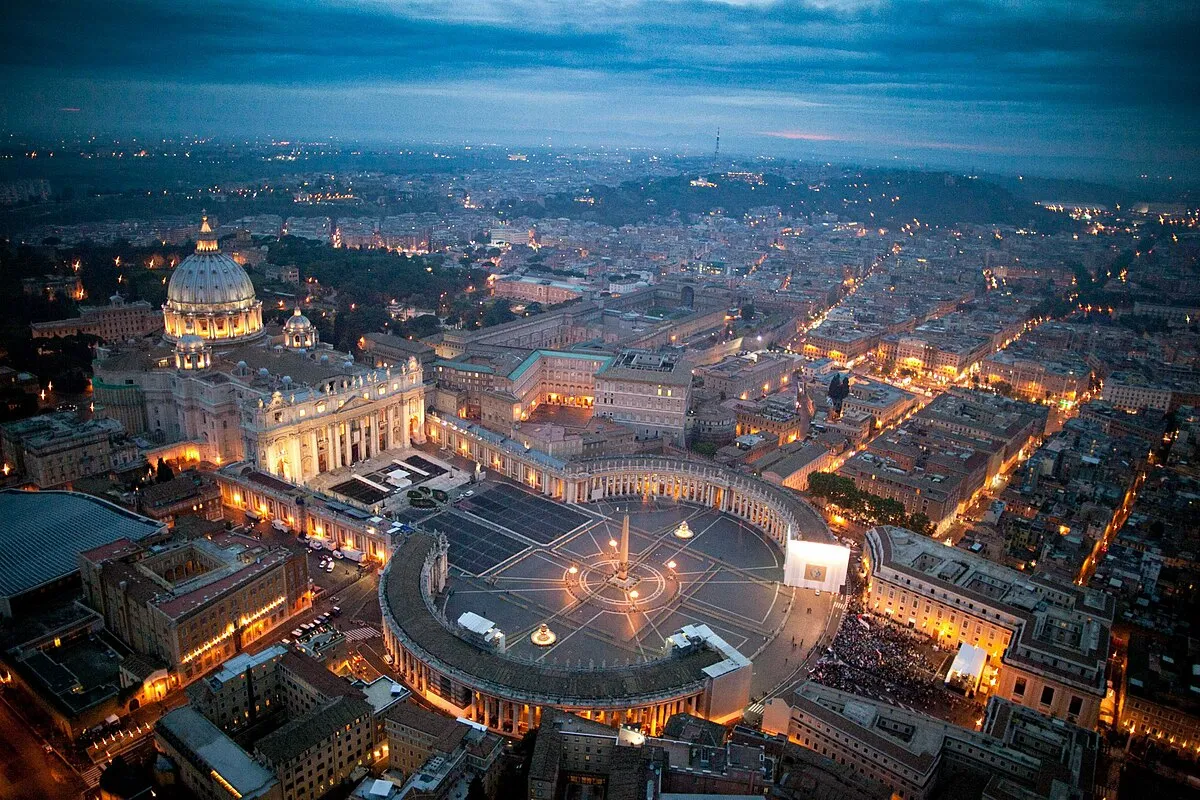
Decision making within Vatican affairs is based on a highly structured and hierarchical system that combines religious authority, administrative governance, and diplomatic coordination. As the governing body of the Holy See, the Vatican operates through a unique framework where spiritual leadership and institutional management are closely interconnected.
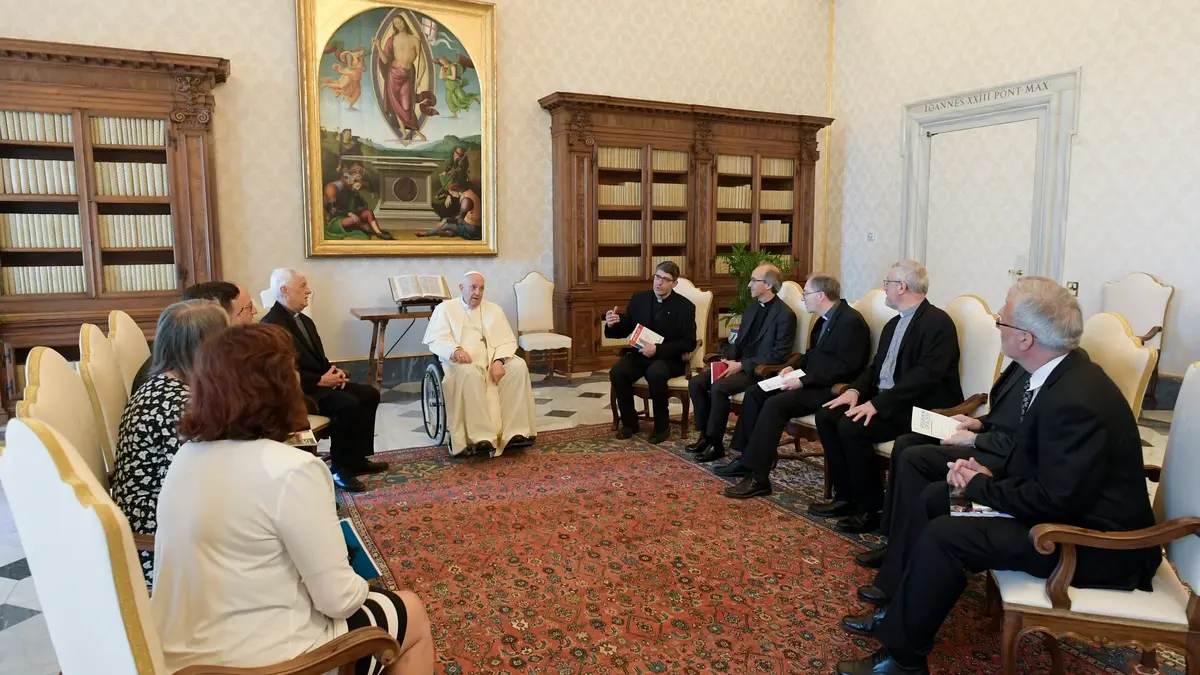
At the top of this structure is the Pope, who serves as the supreme authority in both religious and administrative matters. The Pope has the final decision making power on key issues related to doctrine, global Church direction, and diplomatic relations. This central authority ensures consistency in the Vatican’s global mission and religious teachings.
Supporting the Pope is the Roman Curia, which functions as the central administrative body of the Holy See. The Curia is composed of various departments, known as dicasteries, each responsible for specific areas such as doctrine, diplomacy, charity, and communication. These departments help manage the day to day operations of the Vatican and advise on important decisions.
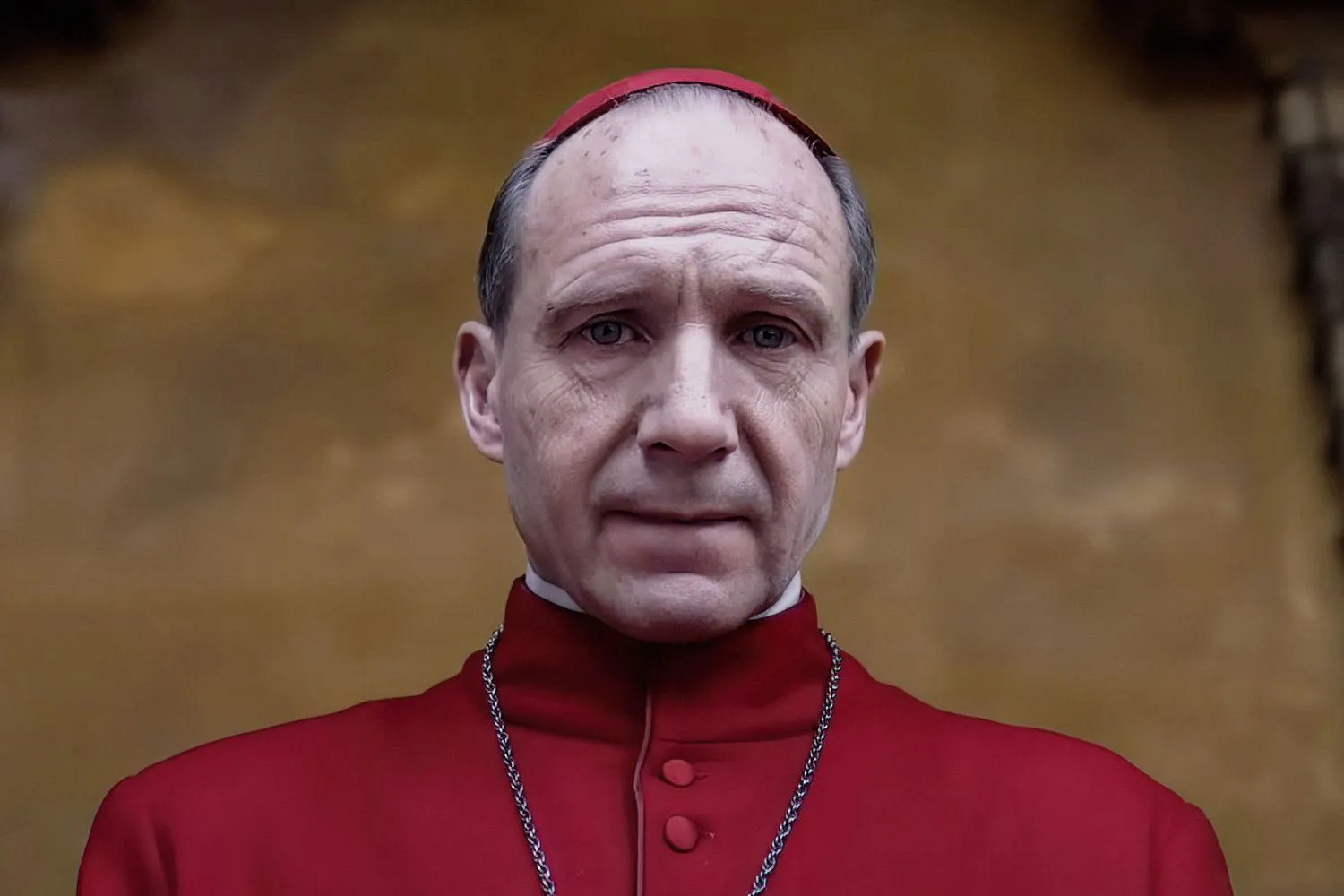
Cardinals play a significant role in Vatican governance, particularly in providing counsel and participating in major decision making processes. They are often appointed to lead key dicasteries or serve as senior advisors, contributing their expertise in theological, administrative, and diplomatic matters.
The Secretariat of State is one of the most important institutions within Vatican affairs, overseeing international relations and diplomatic activities. It manages communication with foreign governments and represents the Holy See in global discussions, making it a central hub for Vatican diplomacy and policy coordination.
Decision making in the Vatican is also influenced by consultation processes that involve bishops, experts, and advisory councils. These consultations ensure that a wide range of perspectives are considered before final decisions are made, particularly on issues that affect the global Catholic community.
Despite its structured hierarchy, Vatican decision making is deeply rooted in religious tradition and doctrine, ensuring that all governance aligns with theological principles. This balance between spiritual authority and administrative organization defines how Vatican affairs are managed on a global scale.