

Technology and the Global Church Spreading Faith in the Digital Age
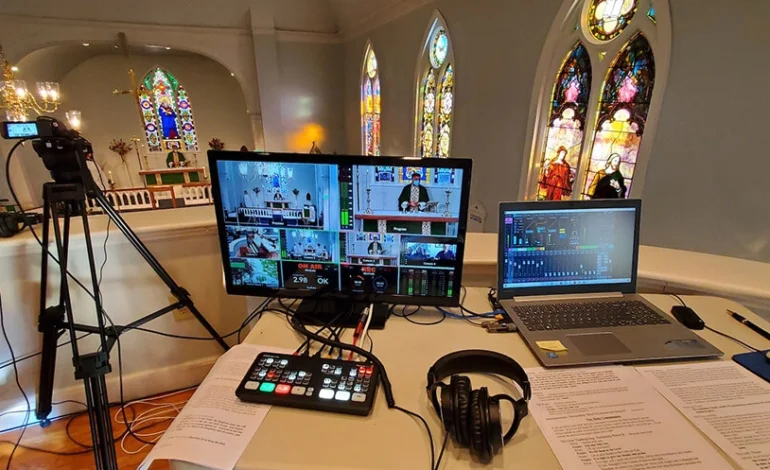

Technology is transforming how the global Church communicates, worships, and connects with believers across the world, creating new ways to spread faith in the digital age. As digital platforms become more integrated into daily life, religious institutions are increasingly using online tools to reach wider audiences and maintain engagement with global communities.
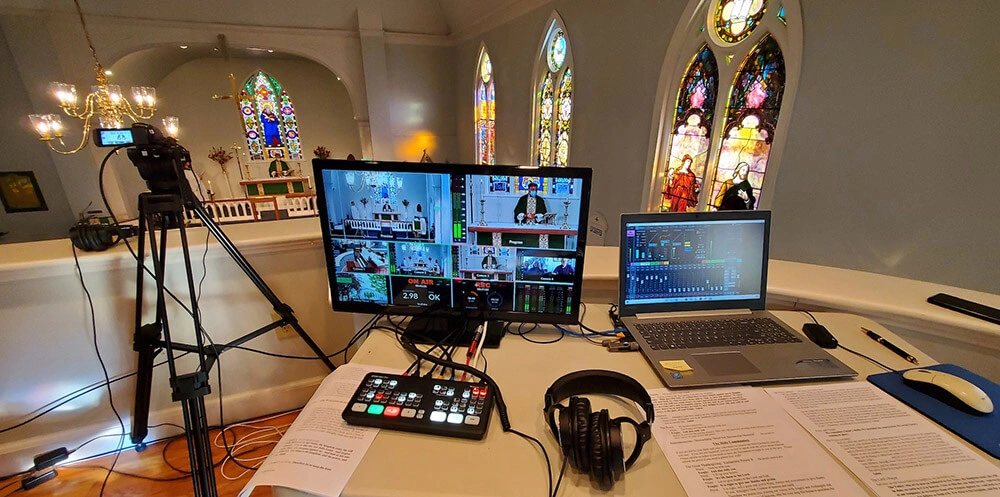
One of the most significant changes is the rise of online worship services. Live streamed masses, virtual prayer meetings, and digital sermons allow people to participate in religious practices regardless of location. This has made faith more accessible, especially for individuals who are unable to attend physical gatherings due to distance, health, or other limitations.
Social media platforms have also become powerful tools for religious communication. Church leaders and organizations use these channels to share messages, reflections, and updates with followers around the world. This direct form of communication helps strengthen community connections and allows religious teachings to reach younger and more digitally engaged audiences.
Mobile applications and digital platforms are further enhancing the way people interact with faith. Apps dedicated to prayer, scripture reading, and spiritual guidance provide users with daily religious content and personalized experiences. These tools support continuous engagement and make religious practice more integrated into everyday life.
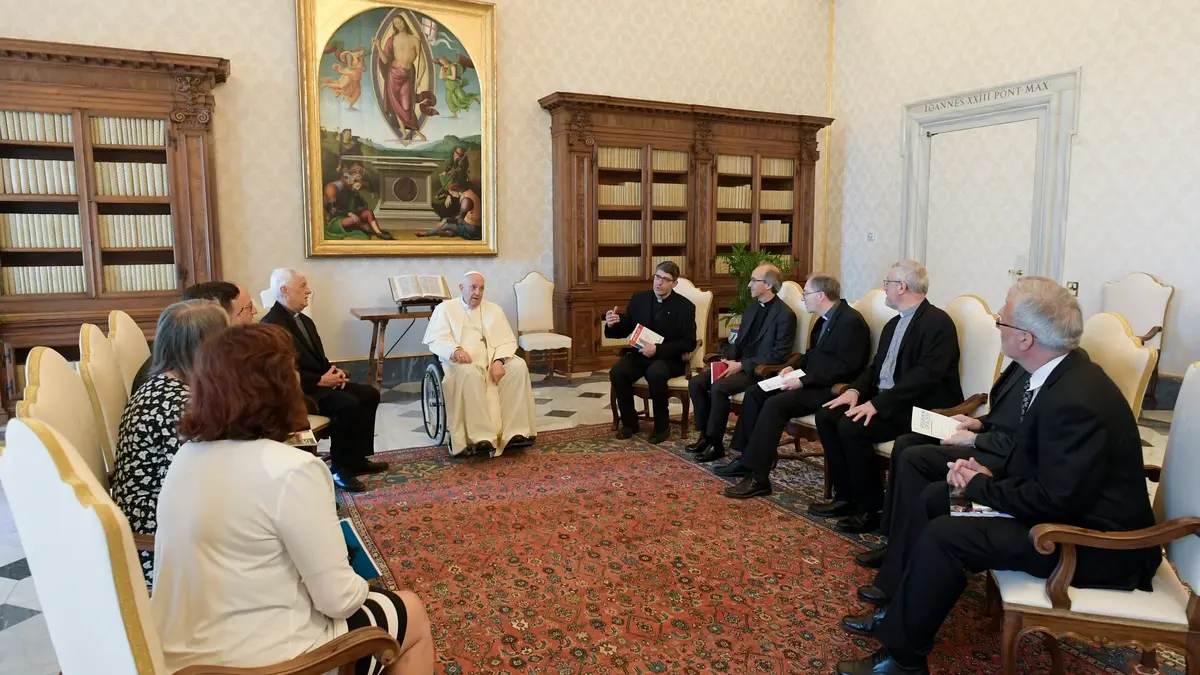
Technology is also supporting global collaboration within the Church. Virtual meetings and digital conferences enable religious leaders from different countries to discuss issues, share insights, and coordinate humanitarian efforts. This connectivity strengthens the global network of the Church and improves its ability to respond to worldwide challenges.
However, the adoption of technology also presents challenges, including maintaining the authenticity of spiritual experiences in digital formats and ensuring equal access for communities with limited technological resources. Balancing tradition with innovation remains an ongoing focus for religious institutions.
As the digital landscape continues to evolve, technology is playing an increasingly important role in shaping the future of the global Church, expanding its reach while redefining how faith is experienced and shared.