Cardinal Parolin says Pontifical Ecclesiastical Academy offers concrete paths of peace for the world
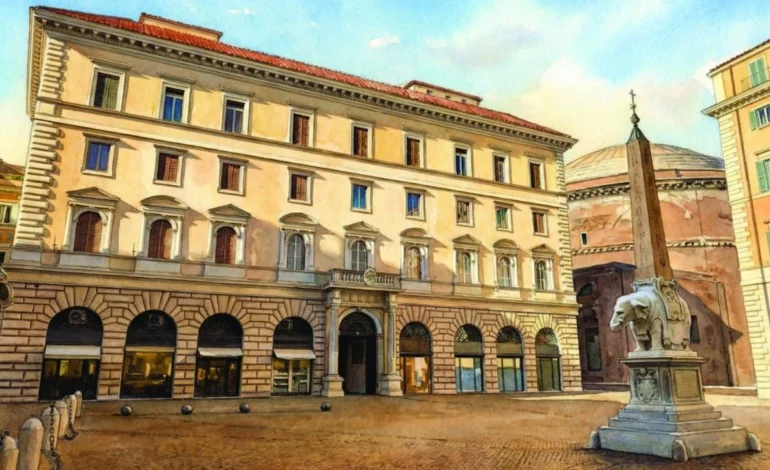

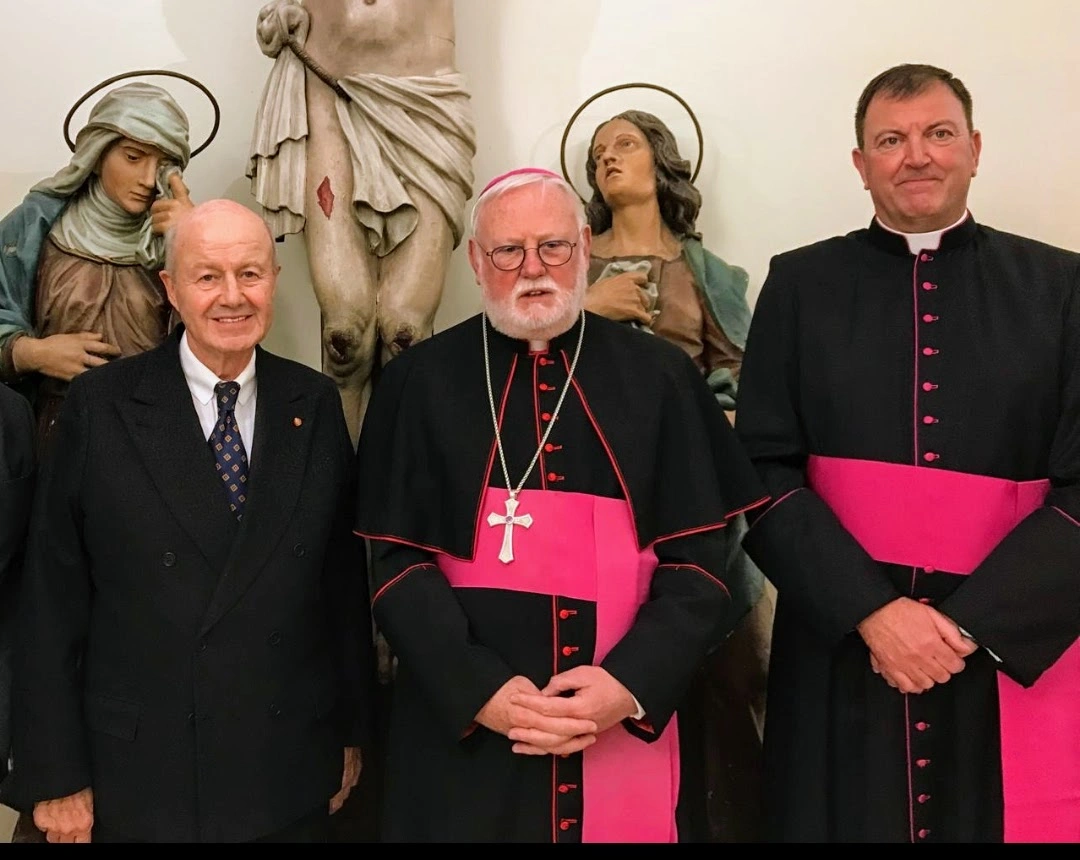
Cardinal Pietro Parolin, the Vatican Secretary of State, has reflected on the enduring mission of the Pontifical Ecclesiastical Academy as it marks 325 years since its foundation, describing it as an institution increasingly essential for shaping “concrete paths of peace” in a world marked by political fragmentation and international uncertainty. In an interview with Vatican Media, he emphasized that the Academy plays a vital role in preparing future papal diplomats who are not only skilled in international relations but also deeply formed in the spiritual and pastoral dimensions of the Church’s mission. His remarks come as Pope Leo XIV visits the institution for the first time since his election, highlighting the Academy’s importance within the broader framework of the Holy See’s global engagement.
The Cardinal explained that the Pontifical Ecclesiastical Academy stands at the intersection of tradition and renewal, combining centuries of diplomatic experience with modern requirements of global engagement. As part of the Secretariat of State, it is entrusted with forming priests who will represent the Holy See across continents, often in complex and sensitive political environments. According to Parolin, these future diplomats must be capable of reading international situations with clarity and depth, while also maintaining a spirit of dialogue and discernment. He stressed that their work is not purely administrative or political, but fundamentally ecclesial, rooted in service to the Pope and the wider People of God.
Cardinal Parolin also underlined that the mission of Vatican diplomacy goes beyond what is often described as soft power. Instead, he explained, it is a unique form of ecclesial presence in the world that seeks to promote peace through principles, moral clarity, and respect for human dignity. The Academy prepares its students to interpret global developments through the lens of Catholic social teaching, enabling them to engage constructively with international institutions and governments. This formation, he noted, combines intellectual training with spiritual and pastoral development, ensuring that future diplomats are also men of prayer, humility, and attentive listening.
Reflecting on the human dimension of this formation, the Cardinal highlighted that the Academy shapes not only academic expertise but also personal virtue. Students are encouraged to develop qualities such as patience, closeness to people, and the ability to engage in meaningful dialogue across cultural and political differences. These traits, he said, are essential for those who will represent the Holy See in challenging contexts where conflict resolution and humanitarian concerns often intersect. Parolin emphasized that authentic diplomacy in the Church’s sense is always rooted in encounter, service, and the pursuit of peace rather than competition or influence alone.
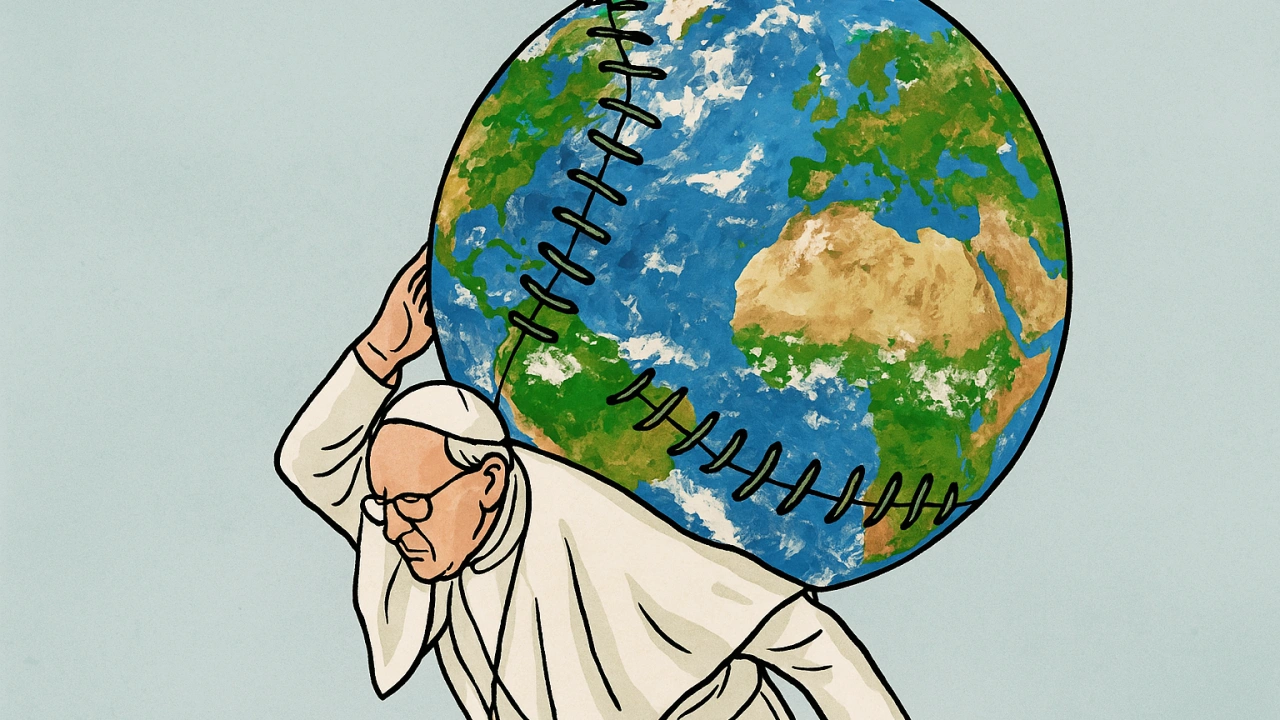
He also recalled the reforms introduced by Pope Francis through the apostolic document Il Ministero Petrino, which renewed the structure and mission of the Academy. Under these reforms, the institution now functions as a higher institute for diplomatic sciences, offering advanced academic degrees while preserving its spiritual and pastoral identity. Parolin noted that Pope Francis once described Vatican diplomats as “priests with suitcases in hand,” a phrase that captures both the mobility and missionary character of their vocation. As the Academy continues its work under this renewed framework, it remains a key instrument in forming individuals capable of engaging a rapidly changing world with wisdom, faith, and a commitment to peace.