

Antilles bishops bring Caribbean pastoral realities to heart of the universal Church during ad limina visit
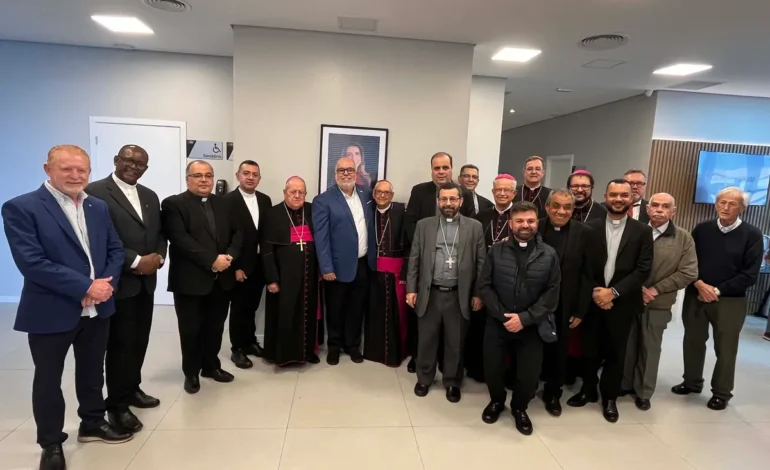

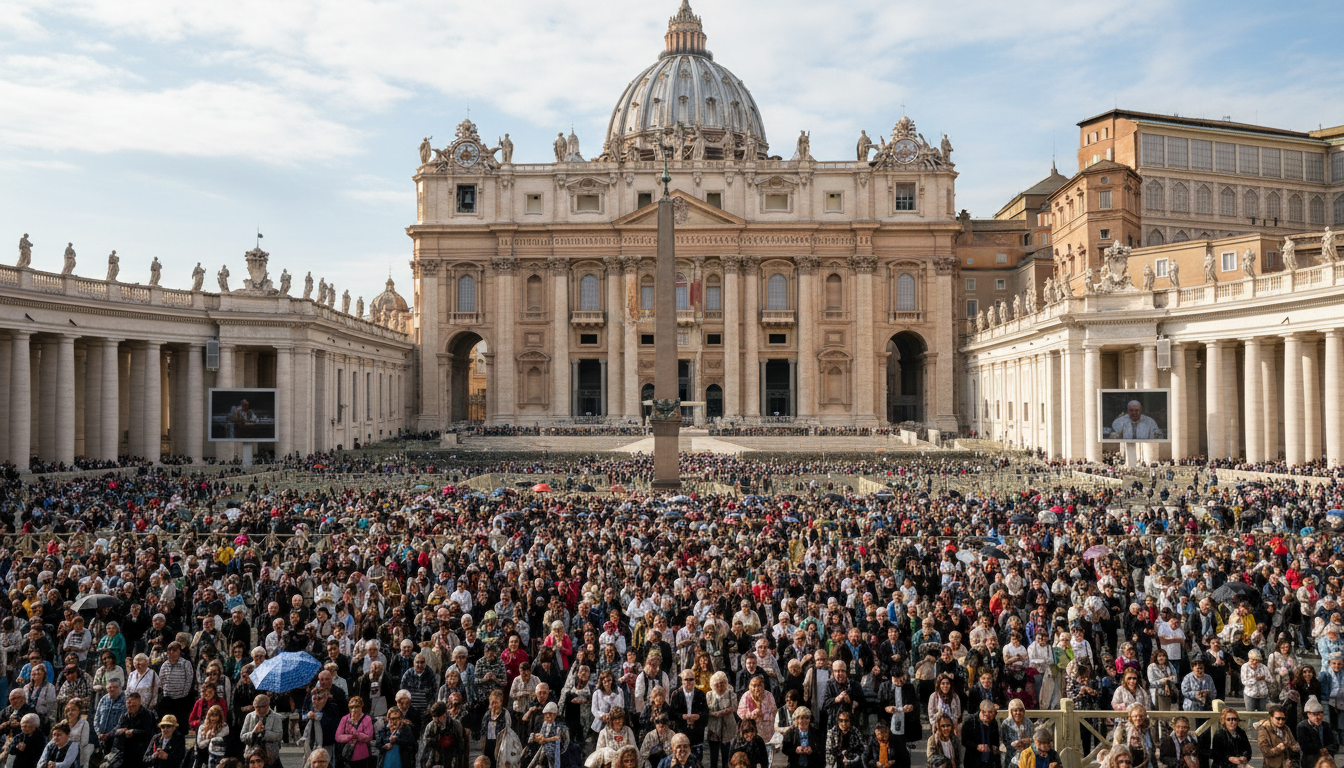
The President of the Antilles Episcopal Conference, Archbishop Charles Jason Gordon, has described the bishops’ ad limina Apostolorum visit to Rome as a profound moment of communion with the universal Church, offering a unique opportunity to share the pastoral experiences and realities of the Caribbean region. Speaking during the 2026 visit to the Vatican, he emphasized that the pilgrimage is not only a formal ecclesial obligation but also a deeply spiritual encounter that strengthens the bonds between local Churches and the Holy See. For the bishops of the Caribbean, the journey to the Eternal City represents a privileged space of listening, reflection, and dialogue at the very heart of the global Catholic community.
Archbishop Gordon, who also serves as Archbishop of Port of Spain, highlighted that the ad limina visit allows bishops to meet directly with various Dicasteries of the Roman Curia, enabling a meaningful exchange of pastoral concerns and ecclesial insights. He described the experience as one of mutual enrichment, where the realities of local Churches are brought into dialogue with the wider mission of the universal Church. According to him, this encounter ensures that the voice of smaller or geographically distant communities is heard and integrated into broader reflections on evangelisation, governance, and pastoral care. The Archbishop stressed that this exchange is essential for maintaining the Church’s unity while respecting its diversity across different cultural and social contexts.
A significant focus of the Caribbean bishops’ visit was their engagement with the Dicastery for Communication, where discussions centred on the Church’s mission in the digital age. Archbishop Gordon noted that while digital platforms and social media present real challenges, including misinformation and ethical risks, these concerns should not deter the Church from its evangelising mission. He explained that the Church must approach the digital world with courage and discernment, recognising it as a modern space where human interaction and spiritual dialogue increasingly take place. In this context, he reaffirmed that the Gospel message must be present in all areas of human communication, including online environments.
Referring to Pope Benedict XVI’s description of the internet as the “digital continent,” the Archbishop emphasized that the Church is called not only to participate in digital spaces but also to help shape them in ways that are more humane and constructive. He explained that Christian engagement in the digital sphere should aim to foster authenticity, respect, and deeper human connection. While acknowledging the risks associated with online platforms, he compared them to everyday life risks, noting that danger alone does not justify withdrawal from mission. Instead, he argued that the Church must remain present and active, bringing a spirit of hope and ethical guidance into the digital environment.
Archbishop Gordon concluded that the ultimate goal of the Church’s presence in digital communication is to ensure that these spaces become more human and more humanising. He underlined that evangelisation today extends beyond physical boundaries and must embrace the evolving realities of global communication. Through this mission, the Church seeks not only to share the message of the Gospel but also to contribute positively to how people interact, relate, and understand one another in a rapidly changing world. The ad limina visit, he said, reinforces this mission by deepening communion between the Caribbean Church and the wider Catholic world, while renewing a shared commitment to evangelisation in every sphere of human life.