

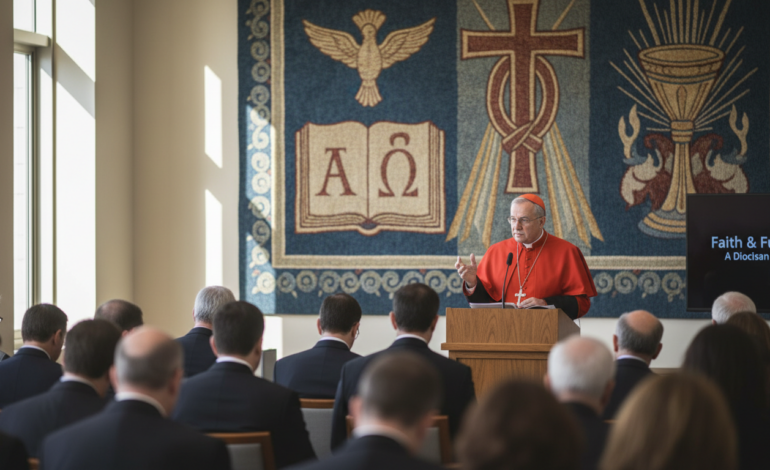

Cardinal Cupich’s Address on Peace
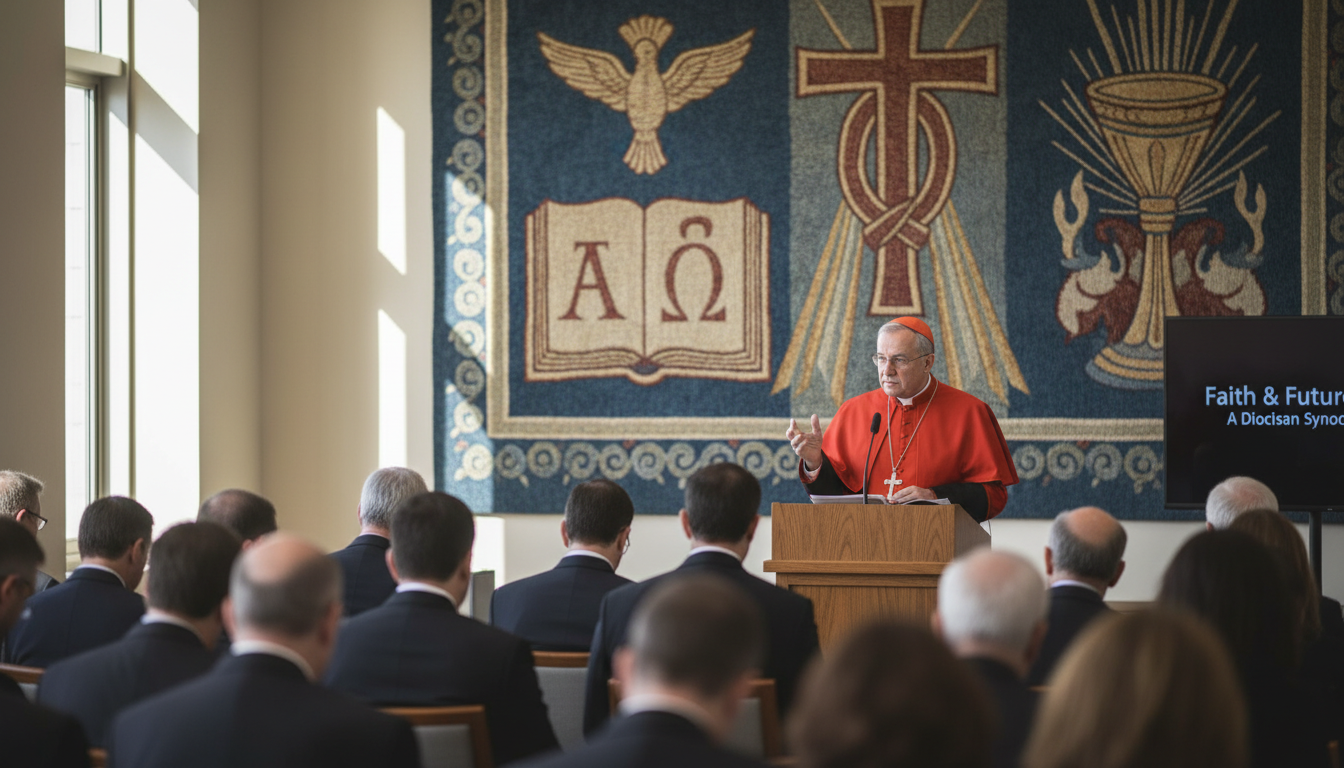
In remarks framed as a call for immediate action, the Chicago cardinal argued that peacemaking requires measurable moral choices, not a pause in fighting. In the middle of his address, Cardinal Cupich tied the Church’s public witness to how leaders respond to displaced families, political polarization, and rhetoric that normalizes cruelty. Today, he said, Catholics should read “Blessed are the Peacemakers” as a mandate to protect human dignity in policy and parish life. He also signaled that Live attention to crises is not enough when language dehumanizes opponents. An Update to diocesan priorities, he indicated, begins with listening to communities most exposed to harm.
The Importance of Justice in Peace Efforts
He then sharpened the definition of peace and justice by insisting that reconciliation must include accountability for abuses and repair for victims. In comments echoed in Catholic Church discussions of social teaching, Cardinal Cupich stressed that justice is the practical labor that makes peace durable, especially when public institutions fail to protect the vulnerable. Today, he warned that slogans can replace solidarity unless Church leaders insist on concrete protections for migrants and the poor. Live coverage of conflict, he added, can numb empathy if audiences are trained to watch suffering as spectacle. A related economic debate about risk and public trust was noted in Bitcoin volatility tested as institutions hold line. He urged an Update in preaching that names scapegoating as a spiritual danger.
Award Recognition and its Implications
The cardinal also used the occasion of formal recognition to broaden the message beyond one event and into institutional behavior. He described the honor as a responsibility to organize Catholic networks for mediation and humanitarian support, rather than treating awards as personal milestones. In that context, Cardinal Cupich linked credibility to whether dioceses fund legal aid, trauma care, and local peacebuilders who can reduce retaliation. Today, he argued, the Church’s moral language must be matched by transparent stewardship and verifiable outcomes. He pointed listeners to recent papal appeals for diplomacy and urged readers to follow Pope Leo XIV presses EU to unite for peace now as a benchmark for consistent advocacy. Live scrutiny, he said, should welcome accountability.
The Impact of Screen-Mediated Conflicts
He dedicated a substantial portion of his remarks to the way screen-mediated conflict reshapes conscience and political choices. He argued that social media incentives reward outrage and simplify complex wars into tribal identities, weakening the patient work of negotiation. Today, he said, Christians can be drawn into performative condemnation rather than sustained service, and he urged pastors to teach digital discipline as part of moral formation. Live streams of violence, he warned, can turn suffering into content and train audiences to demand escalation. For an example of how quickly crises draw international attention, he referenced events described by the BBC in Israel intercepts Gaza flotilla near Crete and detains 175 activists. An Update in parish education, he said, should explain how propaganda spreads.
Future Directions for Peace and Justice
Looking ahead, he urged church leaders to treat peacebuilding as a standing operational priority with training, partnerships, and measurable commitments. He said dioceses should invest in conflict resolution skills for clergy and lay leaders, expand support for refugees, and coordinate with local civic groups that prevent violence before it starts. Today, he added, preaching must avoid partisan branding while still naming policies that degrade human life, because silence is often read as consent. Live public trust, he said, depends on whether leaders are seen accompanying families in fear rather than debating them from a distance. He called for an Update to Catholic institutions that links budgets, hiring, and formation programs to the demands of justice. He closed by framing that work as a disciplined practice of mercy rooted in the Gospel.