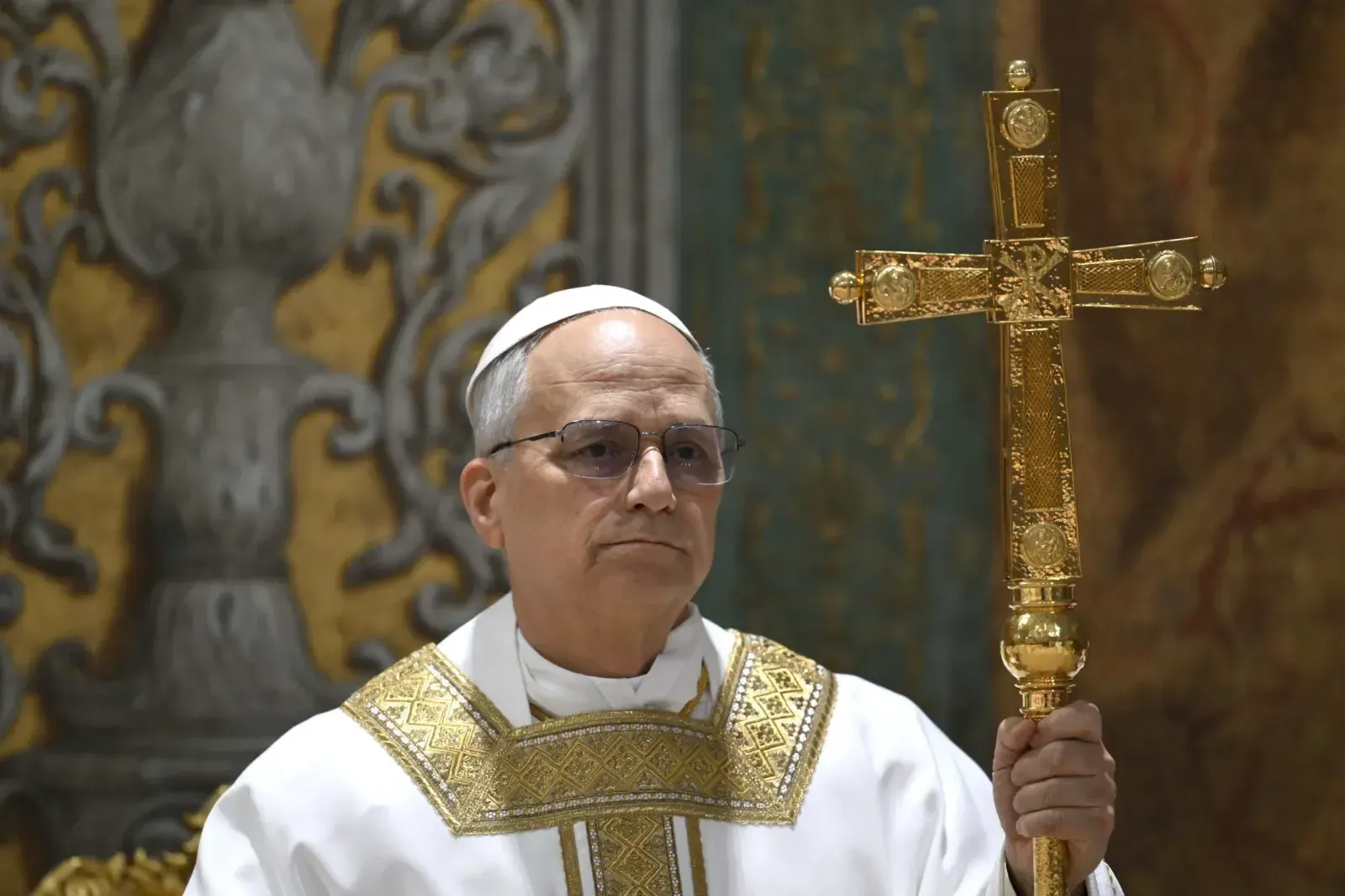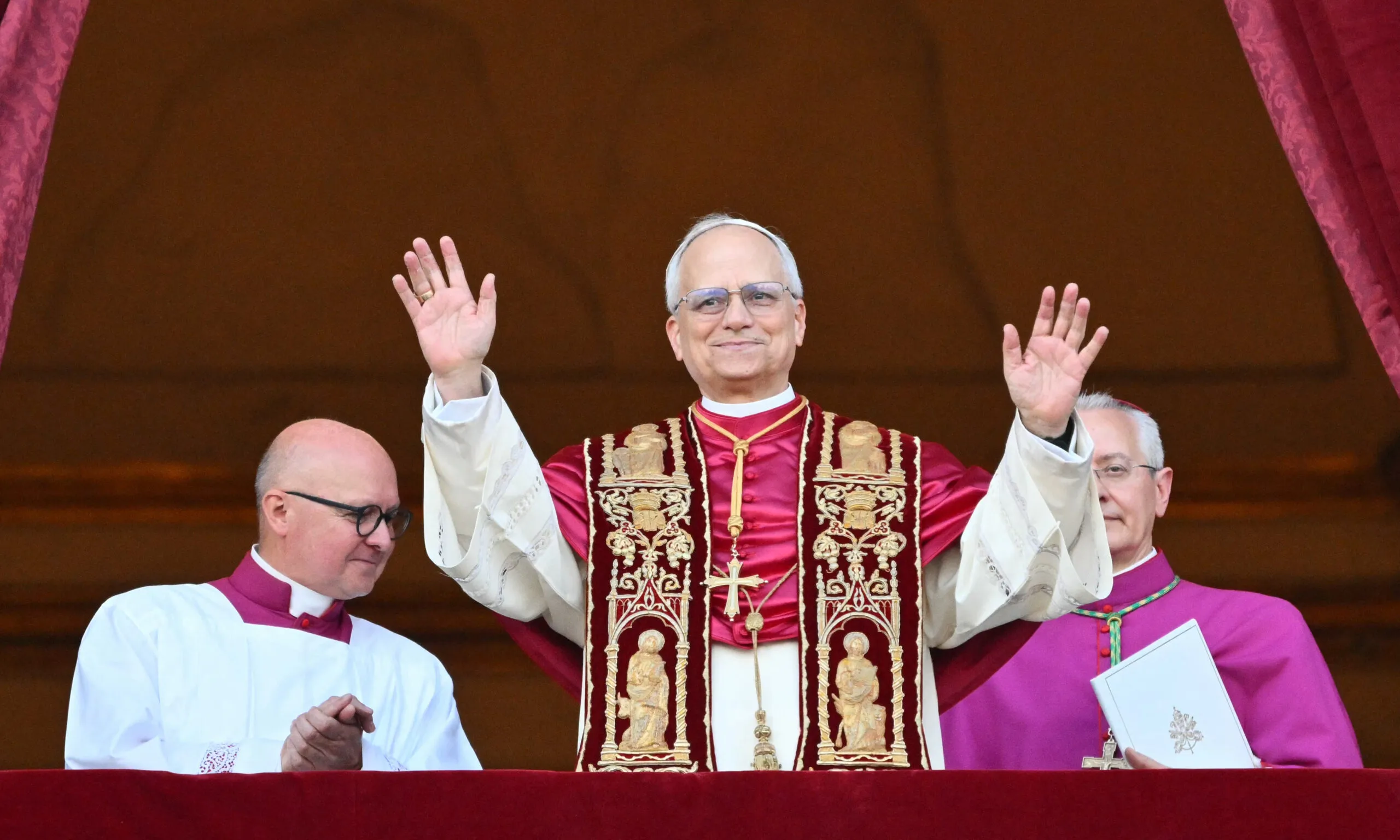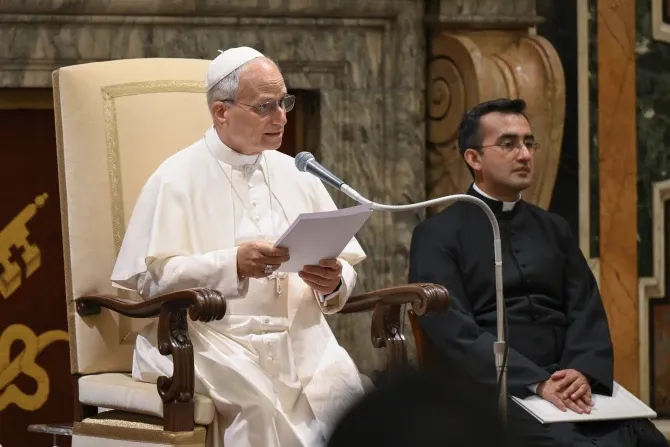



Pope Leo’s Itinerary Across Africa
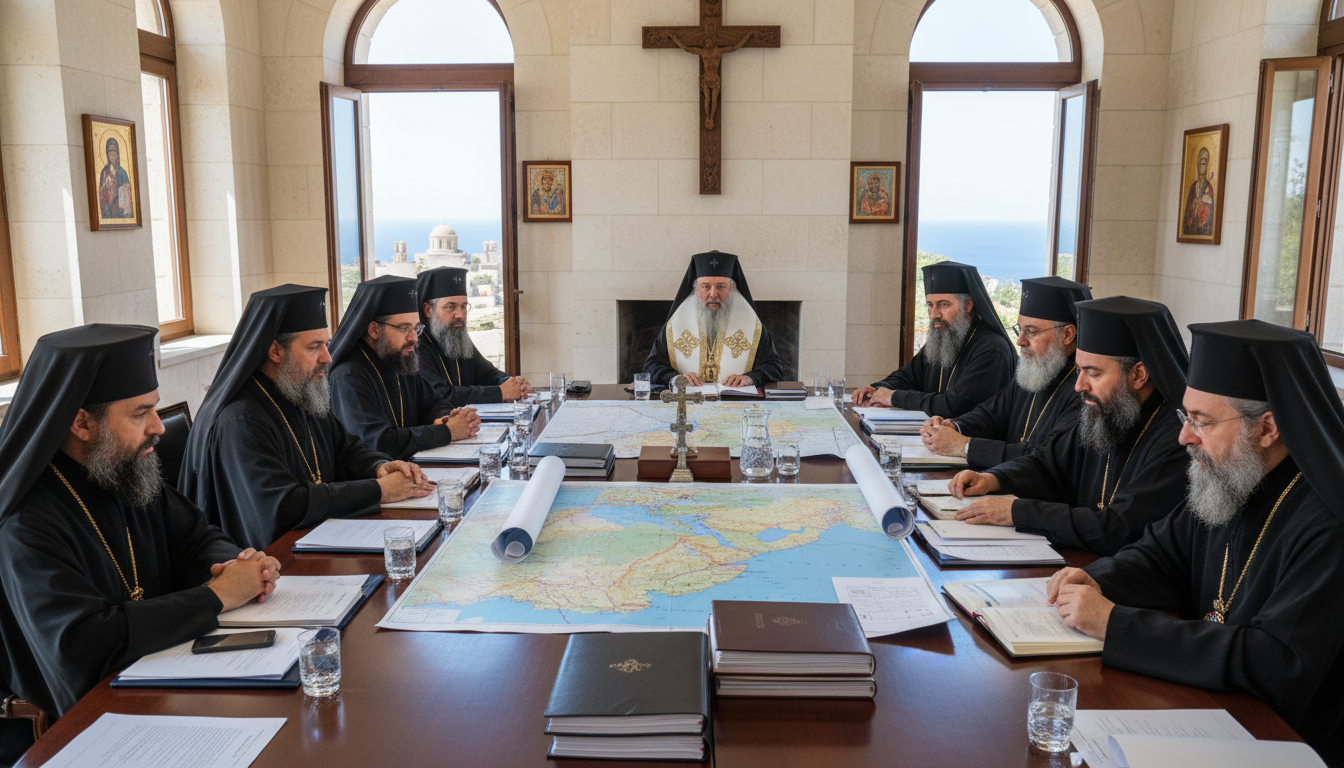
Church officials framed the trip as an operational mission with concrete stops tied to social wounds and reconciliation work. In briefings Today, aides said the schedule was structured around meetings with bishops, youth representatives, and humanitarian workers serving conflict affected communities. Cardinal Fridolin Ambongo told Vatican News that Pope Leo XIV’s Africa Visit highlighted human dignity in Africa by pairing public liturgies with visits to schools and clinics, and by elevating local voices in closed door sessions. The same aides provided a Live summary of each day’s themes to accredited media, emphasizing pastoral listening rather than ceremony. An official Update from the Holy See press team stressed that every stop carried a mandate to defend life and rebuild trust.
Messages of Hope and Unity
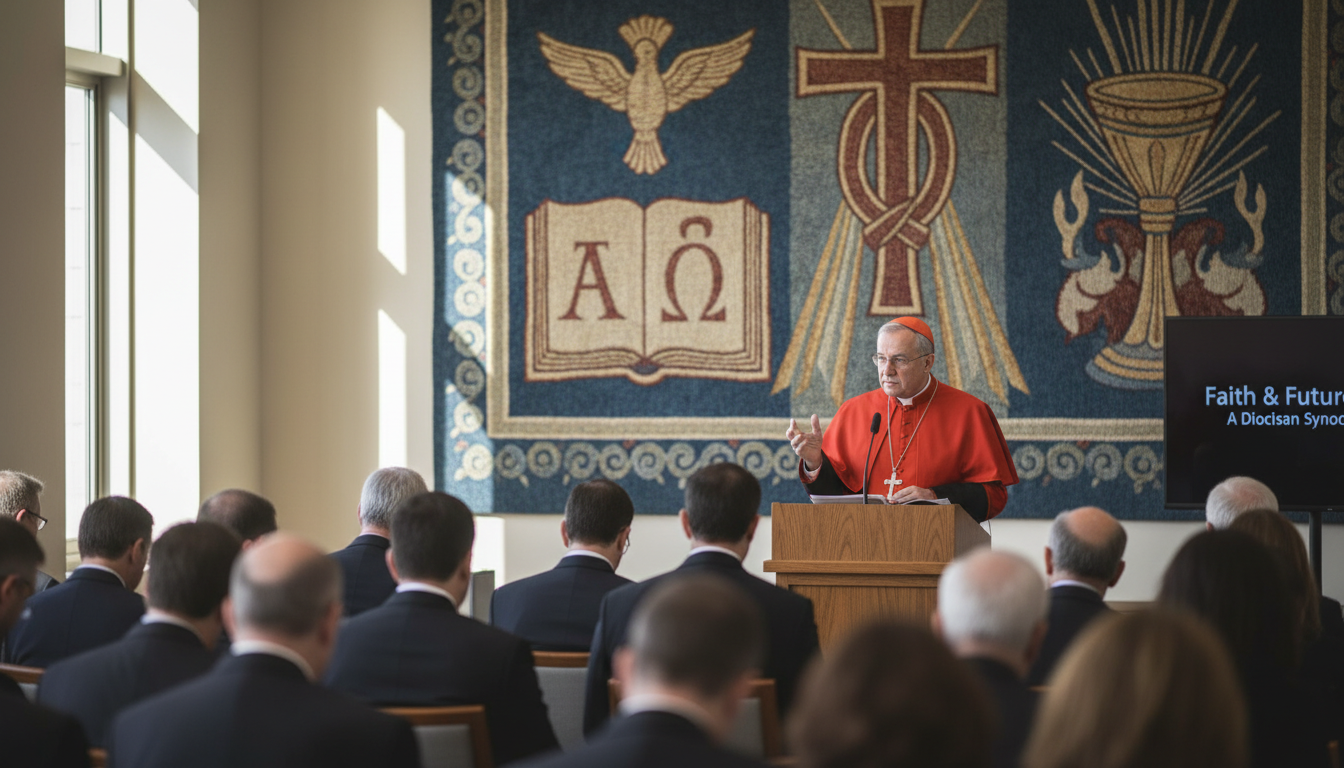
The central messages were delivered in language that avoided partisan alignment while insisting on civic responsibility and moral clarity. In a homily circulated Today to journalists, Ambongo said the visit pressed Catholics to pursue church unity through dialogue that respects culture and conscience. Midway through the cycle, Vatican News highlighted the Pope’s broader humanitarian emphasis in Pope May prayer intention on access to food, linking pastoral language to hunger relief. He also asked communicators to explain the concept freedom of speech as a duty ordered toward truth and the protection of neighbors, not a license to incite harm. A Live media pool note described how the Pope repeatedly urged nonviolence and accountable public institutions. Another Update from the Vatican communications office underscored that unity must be measurable in shared service.
Reactions from African Leaders
Government and civil society responses focused on the visit’s emphasis on dignity and conflict de escalation, without claiming endorsements of any administration. Ambongo told Vatican News that several leaders welcomed the Pope’s insistence that peacebuilding cannot ignore livelihoods, displacement, and corruption’s toll on families. In one parallel example of how the Vatican frames public risk, Holy See warning on nuclear deterrence was cited by analysts as consistent with the Pope’s broader moral language on security and human life. As a sidebar in Live political coverage, some commentators compared the pilgrimage style pacing to unrelated market volatility stories such as Bitcoin stalls below $80K as resistance builds up, because both showed how narratives shift under pressure. Today, officials close to episcopal conferences in Kinshasa said the most useful outcome was a renewed channel for faith leaders to speak with state actors in structured formats. An Update from church spokespersons emphasized that leaders were asked to protect civic space and the poor.
Impact on Local Catholic Communities
Local churches treated the journey as a test of whether high level attention could translate into safer parishes, better mediation, and stronger social services. Diocesan coordinators said Today that catechists and Caritas teams used the visit to reopen conversations with municipal authorities about protection for volunteers and access to remote districts. For readers tracking how the trip’s themes were received, Pope Leo XIV reflects on Africa trip and peace captured the internal debate on turning speeches into deliverables. In a pastoral note shared Live by regional communications offices, bishops reiterated that human dignity in Africa requires safeguarding women, children, migrants, and people living with chronic illness, and they pointed to church run care as proof of capacity. Parish leaders also used the moment to explain the concept freedom of speech in local languages, arguing that respectful criticism should not trigger retaliation. An Update from diocesan offices noted that participation rose most where security guarantees allowed people to gather without fear.
Future Prospects for Church Initiatives
Planning discussions now center on how to keep momentum without reducing the journey to symbolism, and officials are mapping deliverables across education, mediation, and public health. In coordination calls Today, conference secretariats said the goal is to consolidate church unity by standardizing peace committees and training lay negotiators who can work across ethnic and political divides. Ambongo told Vatican News that the visit created a mandate to measure outcomes, including whether dioceses can protect the vulnerable while remaining independent of factional interests. A Live briefing by communications staff highlighted that follow up will prioritize partnerships where accountability is explicit and where local bishops can report progress openly. Teams are also preparing an Update cycle for donors and Catholic agencies focused on food security, youth employment, and trauma care, framed as practical expressions of dignity rather than charity alone. The near term objective is sustained coordination among dioceses so initiatives persist after the media attention fades.