


Cardinal Parolin’s Address on Peace
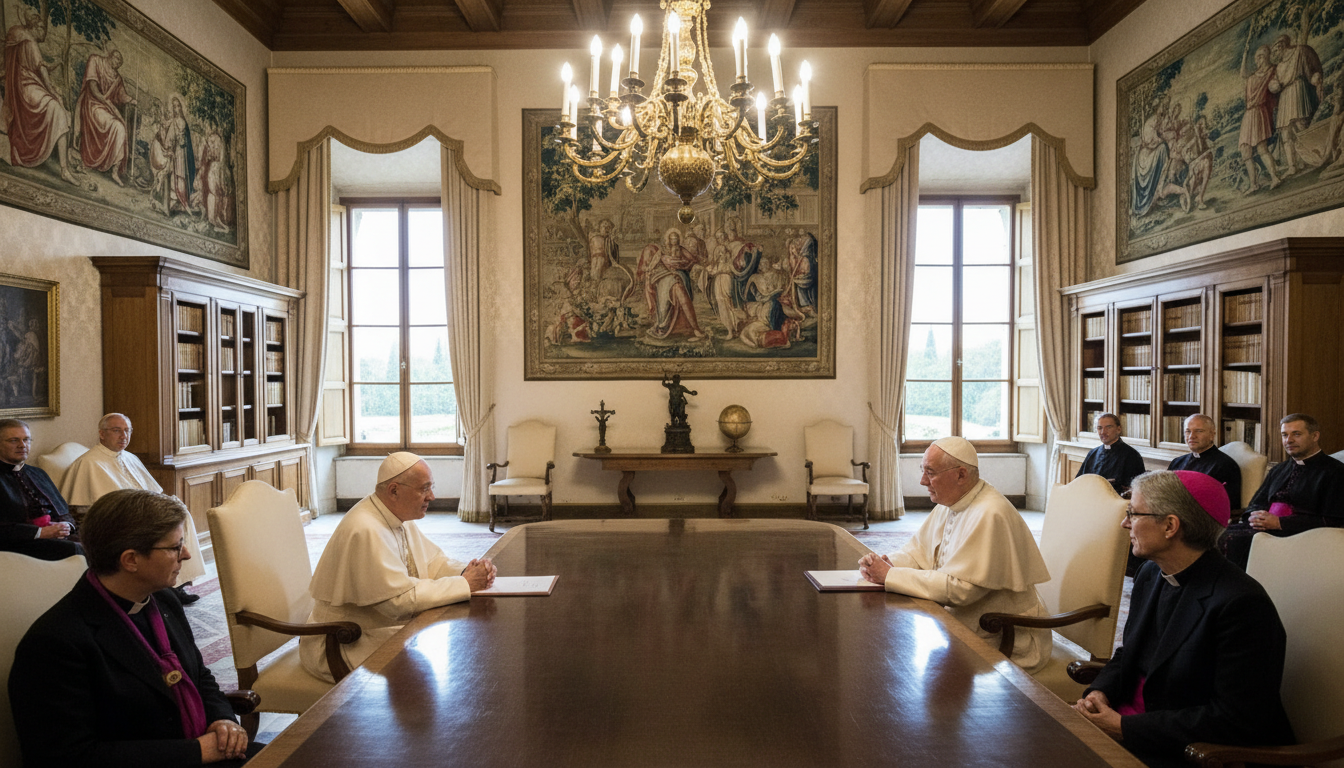
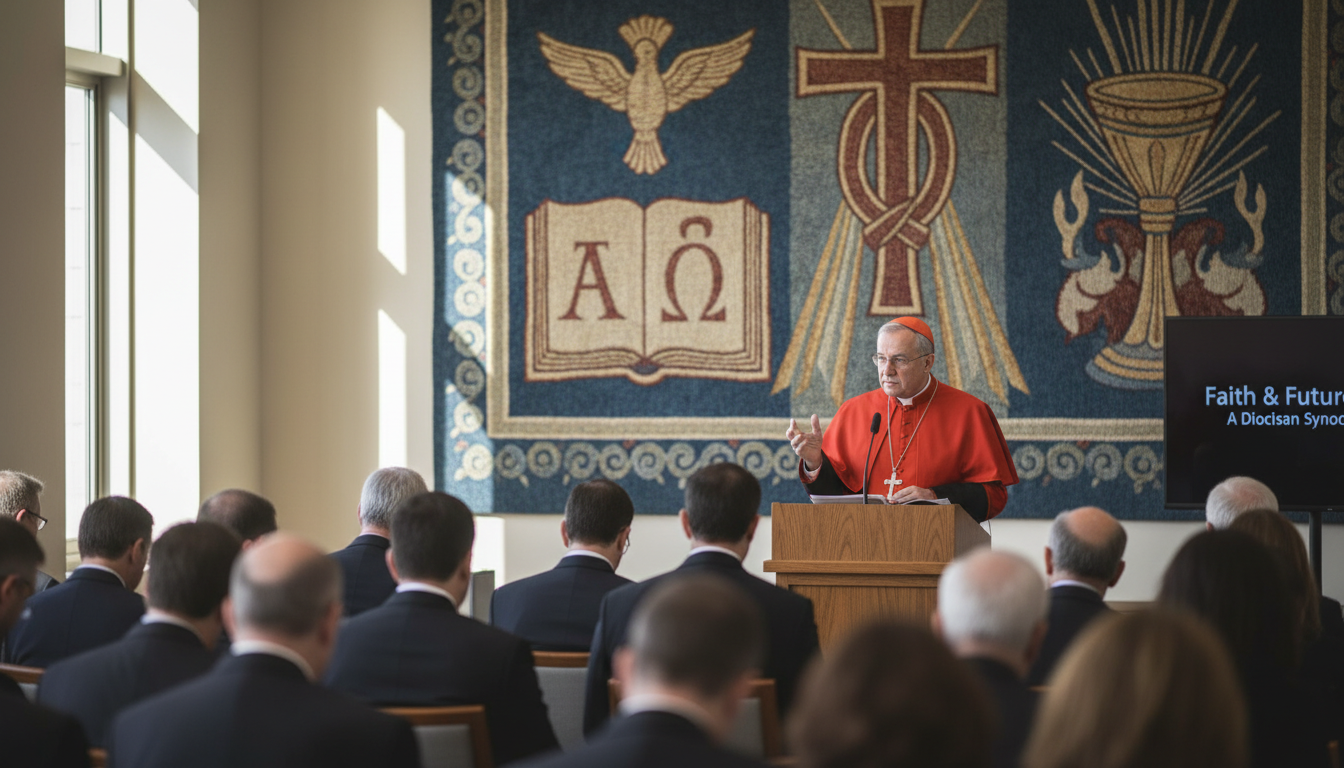
Cardinal Parolin used an address this week to frame the Holy See’s diplomacy as a practical service to people caught in conflict, not an abstract theory. In his remarks, the Pontifical Ecclesiastical Academy was presented as a school for listening, mediation, and patient negotiation that can make space for humanitarian access and religious freedom. Today, Vatican officials following multiple crises described the same approach as consistent with the Church’s preference for dialogue over escalation. Live contacts with local churches and diplomatic missions, he said, help identify openings for restraint and the protection of civilians. The strongest appeal in the speech was for trained diplomats who can keep channels open when public rhetoric hardens.
The Academy’s Historic Role in Diplomacy
In the same reflection, Cardinal Parolin situated the Academy within the institutional memory of the Secretariat of State, where formation is tied to real postings and concrete responsibilities. An Update circulated among Vatican correspondents highlighted how separate global stories, from sanctions debates to migration pressure, often intersect in the day to day work of nunciatures, and readers tracking markets and geopolitics can compare the tempo in Bitcoin stalls below $80K as resistance builds up as a reminder that volatility also shapes diplomatic bandwidth. He argued that papal diplomacy draws credibility from continuity, especially when envoys rotate through difficult assignments and still sustain trust. Today, Parolin insisted the Academy must keep its historical discipline while adapting to new negotiation realities.
Training the Next Generation of Papal Envoys
Parolin’s focus then shifted to the curriculum and the personal formation expected of future envoys, where language study and law are matched with pastoral sensitivity. He described candidates learning how to read a local church’s needs without importing preconceived solutions, a point closely tied to peaceful dialogue as a working method. Live briefings from conflict zones, he indicated, are increasingly part of formation so diplomats grasp the human cost behind communiques and protocols, and an external reference point this month came when Vatican officials addressed strategic risk in Holy See warns nuclear deterrence heightens global risk, illustrating the kind of technical dossier young diplomats must master. To follow the wider leadership messaging, see Pope Leo XIV reflects on Africa trip and peace in a separate internal report. This Update reinforced that training now blends analysis with field awareness.
Global Impact of Papal Diplomatic Efforts
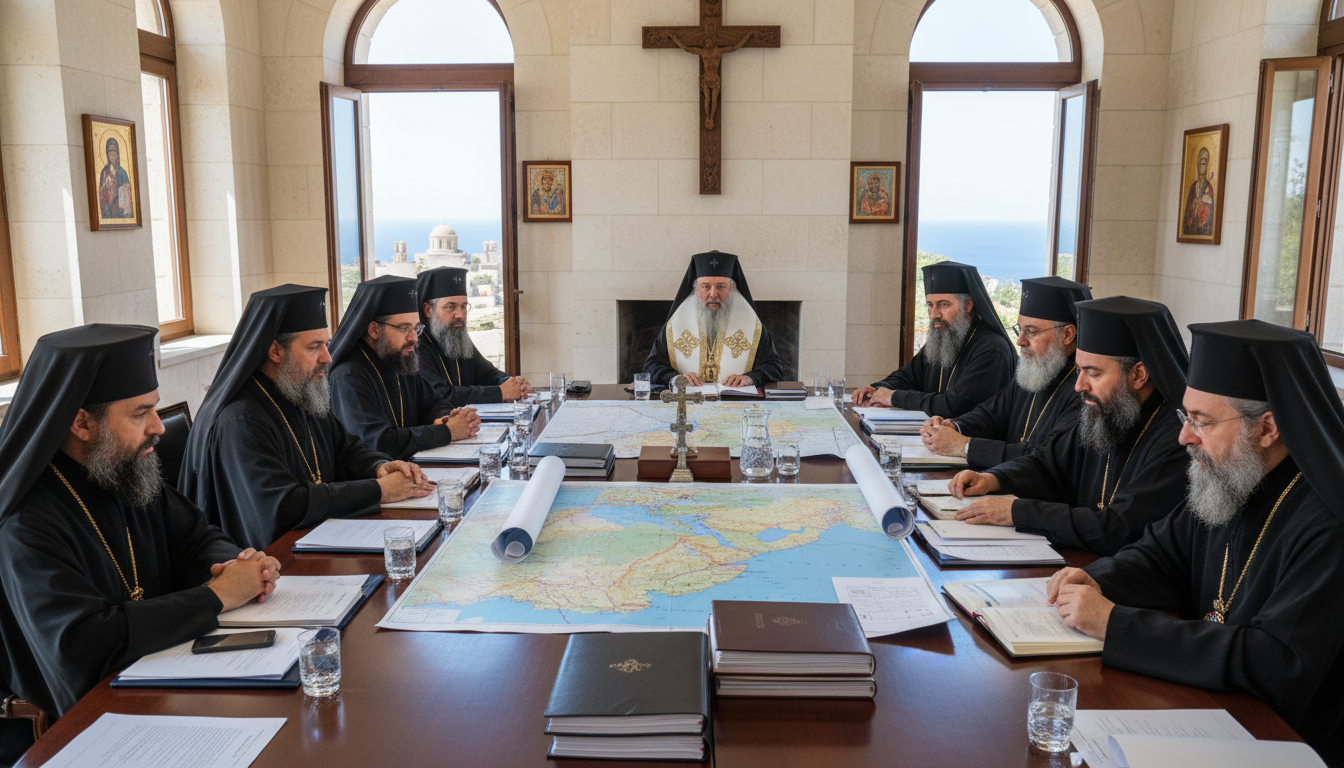
Parolin emphasized that the Holy See measures impact less by headlines than by incremental gains, such as keeping humanitarian corridors open and ensuring faith communities can operate without intimidation. He pointed to the reality that papal diplomacy often works through quiet meetings, where the goal is to prevent a further slide rather than claim a breakthrough. Today, officials close to the diplomatic service described the same pattern in relations with states and multilateral bodies, where patient engagement can reduce miscalculation. Live attention to displaced families, food insecurity, and the treatment of prisoners, he argued, informs what envoys advocate in capitals and at international forums. The practical test is whether dialogue lowers temperatures enough for concrete protections, even when political leaders see little incentive to compromise publicly.
Future Vision for the Pontifical Academy
Looking ahead, Parolin said the Pontifical Ecclesiastical Academy should deepen its ability to operate across cultural and ideological divides while remaining anchored in the Church’s mission. He underscored the need for diplomats who can interpret rapid technological change, fragmented media ecosystems, and the speed of crisis escalation, without letting any of it replace careful verification. A final Update from his remarks stressed disciplined communication, so statements do not close doors that private contacts have opened. Today, he also called for greater coordination with local bishops and Catholic relief networks, arguing that diplomatic initiatives are strongest when they reflect realities on the ground, including coordination through Rome-based offices of the Secretariat of State. Live pressure on peace processes, he concluded, makes formation a strategic necessity, because skillful envoys can preserve dialogue when others abandon it.