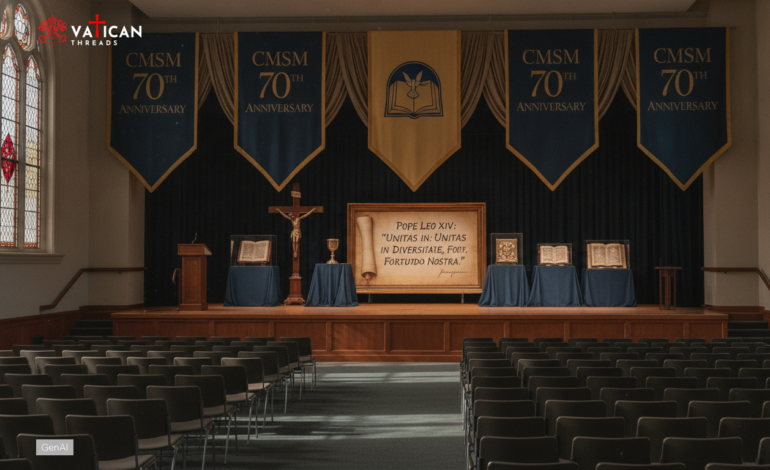

Pope Leo XIV tells CMSM: key points
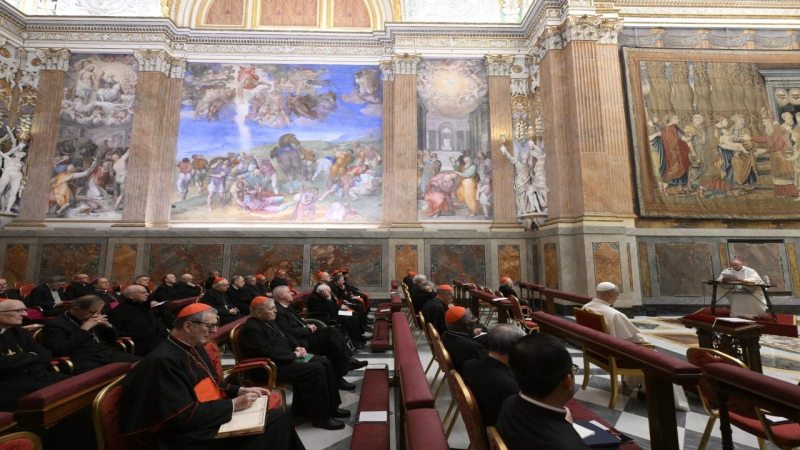
Pope Leo XIV, in remarks reportedly described, addressed the Conference of Major Superiors of Men in the United States with an emphasis that community life could be a concrete path to holiness. In the same account, he framed fraternity as conversion shown in everyday practices such as patience, listening, and obedience, and he presented governance as a form of pastoral care rather than mere administration. He reportedly encouraged superiors to set clear expectations, accompany younger members, and respond early when a brother is struggling. He also reportedly called communities to protect time for common prayer and to examine whether schedules, assignments, and house culture strengthen brotherhood or quietly weaken it. The overall thrust, as characterized here, is that fidelity to communal life can read as credible witness for the wider Church.
Why community life matters for holiness
In practical terms, the address is presented as tying sanctification to how houses function under pressure, particularly amid challenges such as aging members, heavy workloads, and public scrutiny. According to this summary from an unnamed source, he warned that unresolved conflicts and informal factions can undermine mission, and he encouraged superiors to rely on formation and fraternal correction so issues do not escalate into disciplinary cases. For a parallel on Pope Leo XIV’s attention to hidden places of faith, see Vatican News on the Pope’s surprise excursions, and the emphasis, as reported, was on realism: stable rhythms, honest accountability, and prayer that is not pushed out by administration. The section is described as ending with a return to Gospel simplicity.
CMSM in the United States: role and responsibilities
CMSM is commonly described as a coordinating body for major superiors of men in the United States, and in this account Pope Leo XIV is portrayed as treating that network as a means to encourage consistent standards rather than a loose affiliation. He reportedly encouraged sharing effective models for safeguarding, formation, and financial transparency across institutes, particularly where smaller communities may lack specialized expertise. As a cross-portal example of how oversight structures matter when trust is fragile, see Thames Water nationalisation risk: lenders back golden share, and he also reportedly urged steady engagement with diocesan bishops so apostolates are integrated rather than operating in parallel. The underlying point, as summarized, is that clarity can protect mission and people.
Leadership priorities for religious superiors
This forward-looking portion is characterized as focusing on governance that is spiritually grounded and administratively competent, without treating those dimensions as opposites. In the same reported framing, Pope Leo XIV connected internal discipline to external mission and suggested that overstretched members need realistic assignments and predictable rest if communities want perseverance. For wider context on themes attributed to the pontiff about peace and verification, readers can consult Pope Leo XIV peace: dialogue and verified disarmament and Pope Leo XIV book urges verified disarmament for peace, and he also reportedly urged leaders to align budgets with evangelical priorities and to care for vulnerable members, including those experiencing burnout. The vision is summarized as reform through fidelity rather than branding.
What the message means for parishes and ministries
As presented in this write-up, the address carries implications for parishes, schools, and ministries that depend on religious men, because it links public fruitfulness to the less visible health of community life. It also suggests that when brothers live fraternity well, the laity may experience greater stability, accessible prayer, and leadership that is less reactive during conflict. The piece further associates the message with renewed closeness to local shrines and ordinary believers, and in this context Pope Leo XIV is tied to a theme echoed in Pope Leo XIV Spain Visit: Surprise Shrine and Monasteries. Overall, the message is framed as urging Catholic communities to measure success by communion rather than momentum and to choose habits that make mission credible over the long term.