


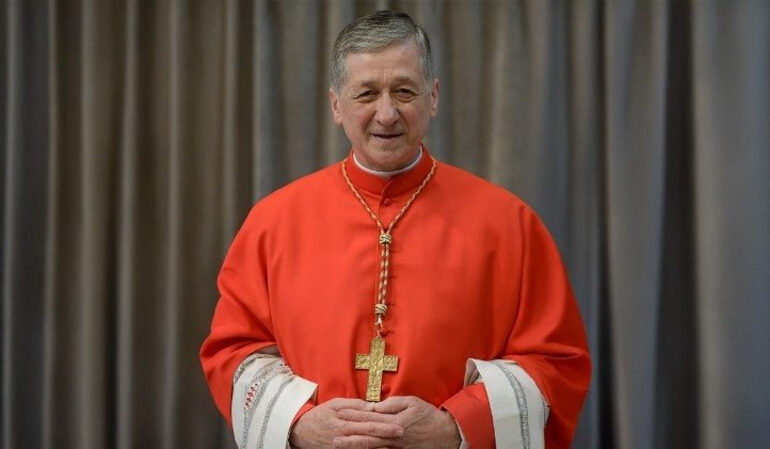

Cardinal Blase Cupich, Archbishop of Chicago, has warned that the world must return to principles that prevent conflicts from escalating into full scale wars, stressing that once military confrontation begins it becomes extremely difficult to control its consequences. In a wide ranging interview reflecting on global tensions and domestic challenges, the American cardinal called for renewed commitment to diplomacy, human dignity, and responsible political leadership.
Speaking about recent military developments in the Middle East, Cardinal Cupich cautioned that the use of force often opens a path that quickly spirals beyond control. He explained that once nations resort to military attacks, reversing the momentum toward conflict becomes extremely challenging. According to him, current global tensions are creating widespread fear and uncertainty about how ongoing confrontations may unfold.
Recent events in the region have intensified those concerns. Following attacks targeting Tehran and several Iranian cities, retaliatory strikes were reported across parts of the Gulf region, affecting airports, ports, buildings, and civilian infrastructure in cities such as Doha, Manama, and Kuwait City. These developments have raised alarm among political leaders, humanitarian organizations, and religious authorities who fear that escalation could trigger a wider regional crisis.
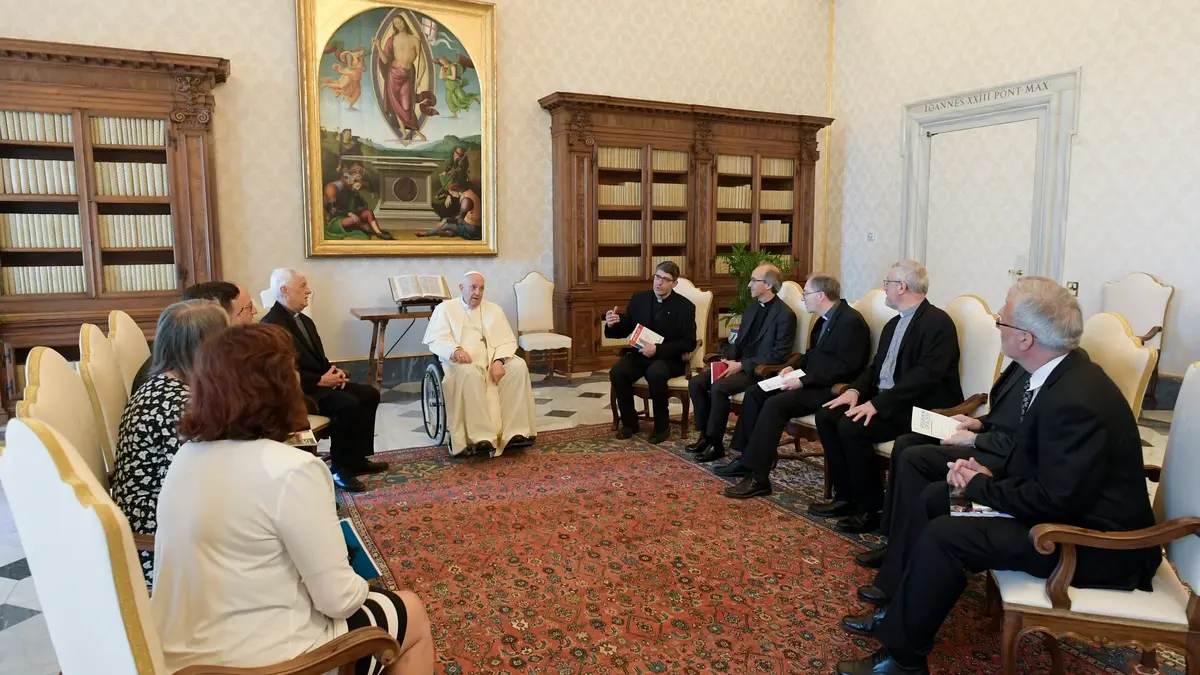
Cardinal Cupich highlighted the importance of the moral appeal made by Pope Leo XIV during a recent Angelus address. The Pope urged those involved in the conflict to recognize their responsibility to halt the spiral of violence before it reaches a point of irreversible destruction. The Archbishop of Chicago said that the Pope’s voice carries global significance because it reminds nations of principles that were widely accepted after the Second World War.
For decades, international institutions and diplomatic frameworks helped manage disputes between nations while respecting sovereignty and human rights. According to Cardinal Cupich, the danger today lies in the gradual erosion of that shared global consensus. If those principles collapse, he warned, it becomes easier for nations to justify military action and harder to maintain peaceful cooperation.
Reflecting on historical lessons, the cardinal noted that wars often begin with actions that leaders initially believe will bring quick solutions. He pointed to the outbreak of the First World War, which began with a single assassination but soon expanded into a catastrophic conflict that lasted years and caused immense loss of life. Such historical examples, he said, demonstrate how rapidly violence can escalate beyond expectations.
Cardinal Cupich also addressed questions about the legitimacy of military action against sovereign states. He suggested that such actions should be carefully scrutinized, especially when there is no immediate threat requiring urgent defense. Respect for national sovereignty remains a key principle within international law and must be protected to prevent a cycle of retaliatory warfare.
Beyond international conflicts, the cardinal spoke about the need to confront social divisions and political polarization within the United States. He emphasized that the Catholic Church must help society rediscover a language rooted in truth and moral responsibility rather than partisan confrontation. According to him, faith communities have a duty to guide public discussion toward the common good rather than toward ideological division.
The Archbishop also reflected on migration policies and human dignity, stressing that governments have both the right to secure borders and the obligation to protect the rights of migrants. These responsibilities, he said, should not be treated as opposing goals but rather as principles that can coexist when guided by respect for human dignity and justice.