


Vatican Gardens Receive Ginkgo Tree as Symbol of Environmental Responsibility and Care for Creation
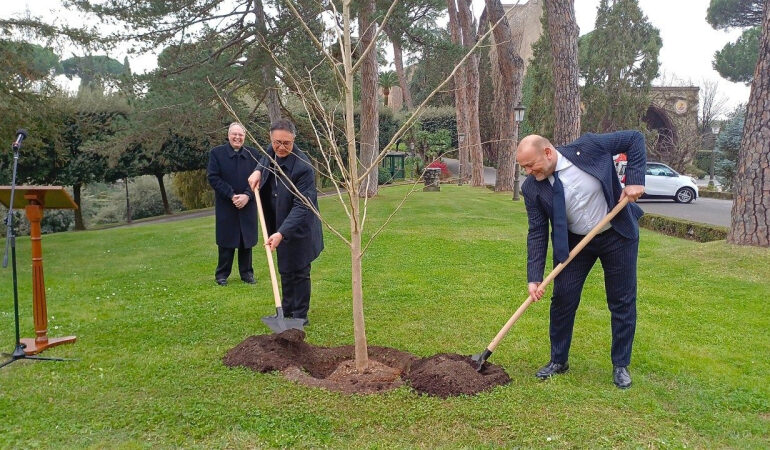

A ginkgo biloba tree, one of the oldest surviving plant species in the world, was planted in the Vatican Gardens on March 6 as a symbol of ecological responsibility and respect for creation. The tree was donated to Pope Leo XIV by Italy’s National Order of Agronomists and Foresters and placed along Via della Radio near the Lourdes Grotto inside Vatican City. The ceremony brought together Church officials and environmental experts who described the gesture as a reminder of the responsibility humanity carries in protecting the natural world. The event reflected the Vatican’s continuing emphasis on environmental stewardship and the moral duty to care for the Earth for future generations.
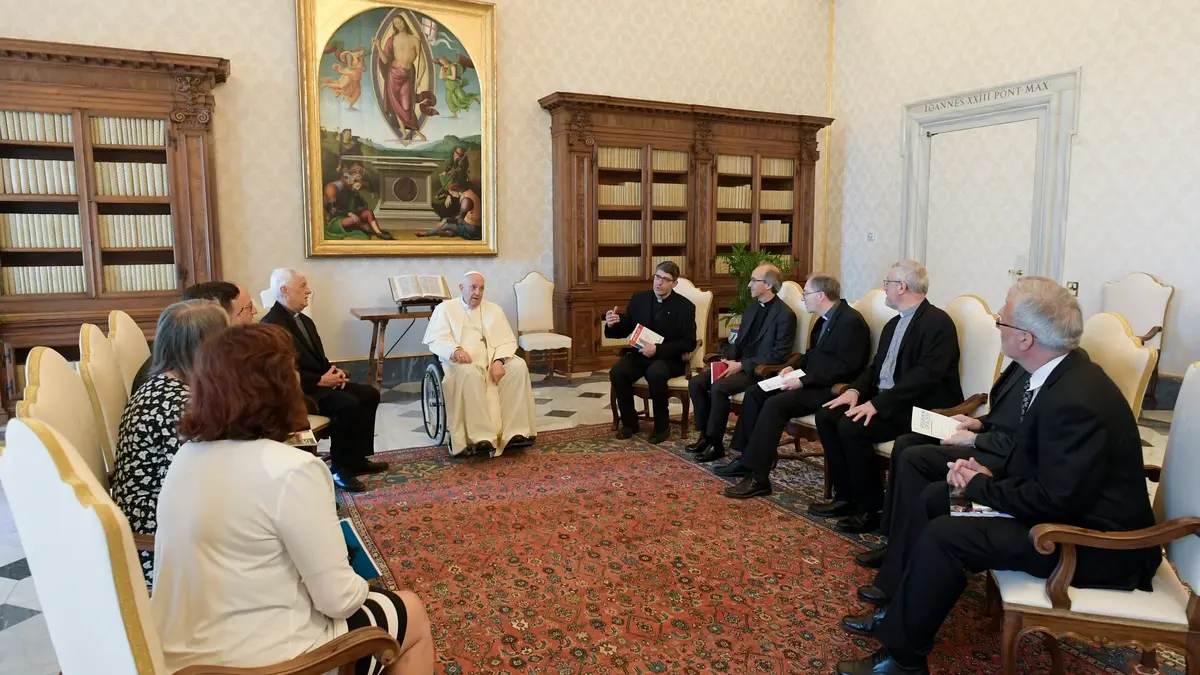
The initiative follows an earlier meeting between Pope Leo XIV and representatives of the agronomists and foresters organization in November, when the Pope emphasized that the Earth must be understood as a gift rather than a possession. During that audience he described agriculture as a concrete act of charity toward both the planet and those who will inherit it. According to his message, the Earth precedes humanity and ultimately belongs to no one. He encouraged those who work with the land to cultivate it with wisdom and respect, noting that responsible stewardship of nature allows people to participate in the creative work of God while promoting harmony among communities.
Church officials attending the planting ceremony also highlighted the wider environmental challenges facing many regions of the world. Archbishop Emilio Nappa, Secretary General of the Governorate of Vatican City, said that planting a tree in the Vatican Gardens represents a meaningful bond between environmental professionals and the Catholic Church. He explained that trees growing in a garden symbolize respect for both nature and fellow human beings who depend on it. Archbishop Nappa warned that environmental destruction caused by short term financial interests continues to damage ecosystems in many areas, including parts of Italy where pollution and illegal waste disposal have caused lasting harm to land and communities.
Archbishop Fernando Chica Arellano, the Holy See’s permanent observer to the Food and Agriculture Organization and other United Nations food agencies, also addressed the ceremony and spoke about the importance of restoring balance between humanity and the environment. He said planting a tree represents a small but meaningful action against deforestation and desertification. According to him the act sends a message that humanity should stand on the side of solutions rather than contribute to environmental problems. He noted that a newly planted tree begins as a fragile sign of life but grows over time into a lasting contribution to clean air, ecological stability and shared responsibility for the planet.
Environmental leaders involved in the project said the ginkgo tree also represents a broader commitment to sustainability and education. Mauro Uniformi, president of the National Order of Agronomists and Foresters, explained that the planting follows the organization’s pledge to translate the Pope’s words on environmental care into concrete actions. He referred to the Rome Charter, a document developed during the group’s national congress that outlines a long term framework for combining technical expertise with ethical responsibility in agriculture and forestry. The charter encourages professionals to protect natural ecosystems while promoting sustainable development and responsible management of land and resources.
The choice of a ginkgo biloba tree carries deep symbolic meaning. Often described as a living fossil, the species dates back more than two hundred million years and has survived dramatic changes in the planet’s climate and landscape. Some ginkgo trees famously survived the atomic bombing of Hiroshima and later regenerated, becoming a symbol of resilience and renewal. Because the species can withstand pollution and difficult urban conditions, it is often planted in cities as a reminder of nature’s endurance. In the Vatican Gardens, the tree now stands as a sign of balance between memory, resilience and the hope that humanity can restore harmony with creation.