


Holy See Warns Foreign Debt Is Driving Poverty and Inequality in Developing Nations


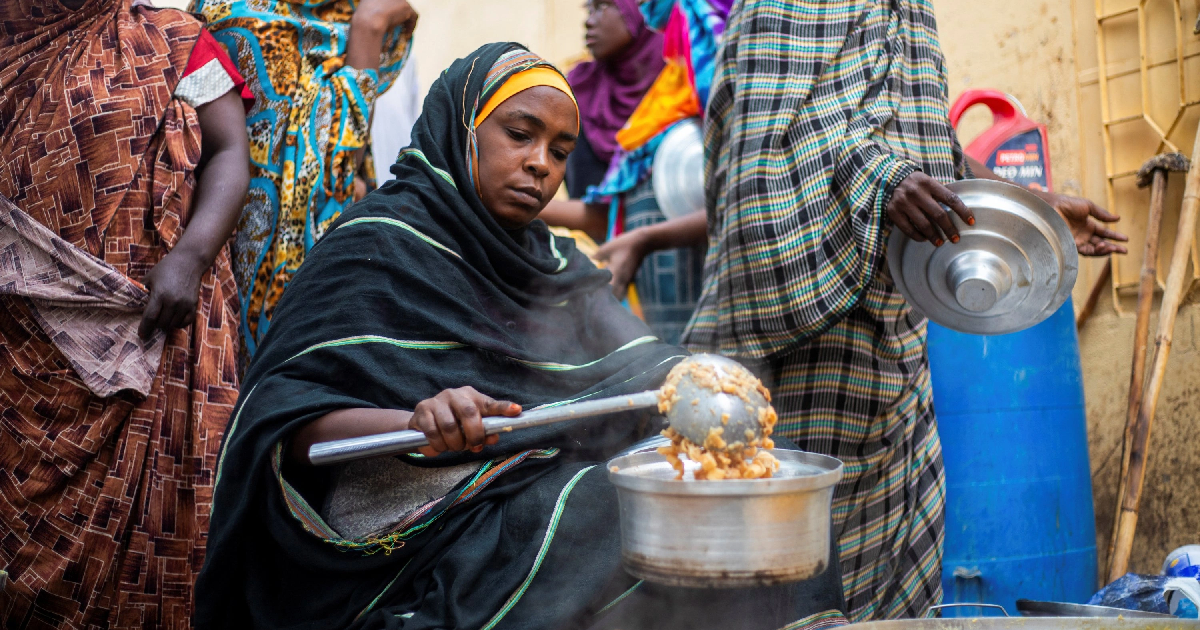
The Holy See has raised strong concerns about the global impact of foreign debt, warning that heavy debt burdens continue to deepen poverty and inequality in many developing countries. Speaking during the 61st session of the United Nations Human Rights Council in Geneva, the Holy See’s Permanent Observer stressed that international debt should not be viewed only as a financial matter but also as a moral and human rights challenge. According to the Vatican’s diplomatic representative, many countries in the Global South are forced to divert limited national resources toward servicing external debt, leaving fewer funds available for essential public services and social development.
During the session, Archbishop Ettore Balestrero explained that excessive debt obligations are placing governments in difficult positions where they must choose between meeting financial commitments to creditors or providing basic services for their citizens. He noted that resources urgently needed for food security, healthcare, clean water, housing and social protection are often redirected toward debt payments. According to the Holy See, this situation creates a long term cycle in which economic development slows while poverty and social inequality expand. The Archbishop emphasized that when debt obligations dominate national budgets they weaken a country’s ability to protect economic, social and cultural rights.
The Vatican representative also highlighted how heavy debt pressures can reduce fiscal flexibility for governments and force them to adopt austerity measures that disproportionately affect vulnerable populations. When states face strict repayment demands they often reduce social spending or delay investments in education and infrastructure. This weakens public institutions and undermines long term economic stability. Archbishop Balestrero described the issue as more than a technical economic debate, stating that the consequences of excessive debt directly affect human dignity and social justice. In his remarks he argued that the international financial system must consider the broader human impact of lending policies.
At the same time the Holy See called on debtor countries to strengthen governance systems and ensure greater transparency in public finance. Archbishop Balestrero said fiscal policies should follow principles of accountability responsibility and fairness so that public resources are used for the common good. According to the Vatican’s position trust between citizens and institutions is essential for sustainable economic management. When taxation systems and government spending are perceived as just and transparent social cohesion improves and citizens are more willing to support public financial policies that contribute to national development.
The Holy See also urged international creditors including governments financial institutions and private lenders to ensure that lending practices respect human dignity and do not worsen poverty. Archbishop Balestrero stressed that when conflicts arise between debt repayment and the protection of human rights the latter must always take priority. He warned that illegal debt structures aggressive tax competition and predatory lending practices can undermine the social contract between governments and citizens. The Vatican’s message called for renewed global cooperation to reduce structural inequalities that continue to divide nations and communities.
Quoting Pope Leo XIV during the address, Archbishop Balestrero said global efforts must focus on overcoming economic disparities that create widening gaps between continents countries and social groups. The Vatican’s diplomatic mission at the United Nations emphasized that addressing foreign debt is essential for promoting global solidarity and sustainable development. Church leaders argue that without fair economic frameworks many nations will remain trapped in cycles of poverty that limit opportunities for future generations. The Holy See continues to advocate for international policies that place human dignity and social justice at the center of economic decision making.