


Washington attack suspect allegedly sought to justify violence through Christian faith claims
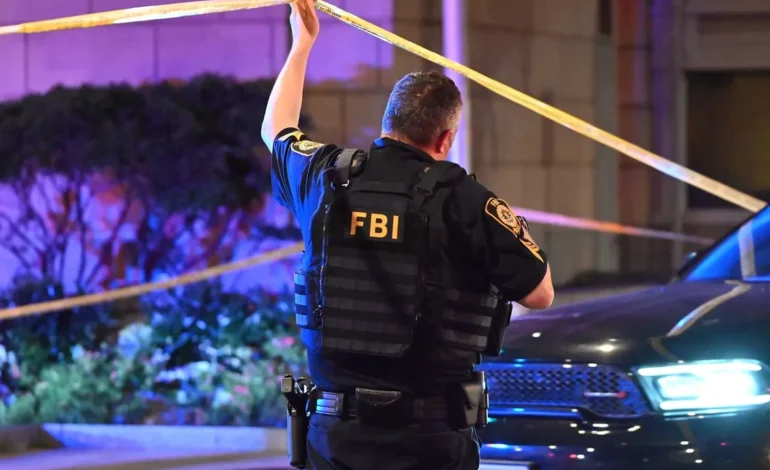

Authorities in the United States are investigating a suspected assassination attempt targeting members of the Trump administration, after a California man allegedly attempted to reach a high profile political event in Washington while armed with multiple weapons. The suspect, identified as 31 year old Cole Tomas Allen, is reported to have sent written material to family members shortly before the incident, in which he appeared to frame his intended actions as being connected to his personal interpretation of Christian faith. The writings, described by investigators as both a justification and a form of farewell message, have raised serious concerns about ideological motivation and the misuse of religious language to defend violence.
According to reports, Allen was intercepted before entering a restricted area near the White House correspondents’ dinner at the Washington Hilton, where several members of the US administration were present. Law enforcement officials allege that he was carrying firearms and knives at the time of his arrest. In the documents attributed to him, he reportedly referred to himself as the “Friendly Federal Assassin” and included a list of intended targets linked to government officials, although he did not directly name the president. The writings contained political grievances and responses to imagined criticisms, particularly focusing on how he believed his actions could be defended within a religious framework.
Investigators say the suspect’s background includes work as a part time teacher and involvement in video game development, with no prior public indication of violent activity at this scale. The emergence of the writings has shifted attention toward his ideological views and how he may have attempted to reconcile his planned actions with religious belief. Authorities are now examining the content in detail to determine whether it reflects a coherent ideological motive or a broader pattern of personal grievance and radicalisation. The case has also sparked concern among security officials about individuals acting alone while influenced by mixed political and religious narratives online.
The document reportedly contained references to his church and expressed gratitude toward his religious community, while simultaneously attempting to frame violence as compatible with defending the oppressed. This contradiction has become a focal point for investigators and analysts, who are assessing how religious language may have been selectively interpreted to support extremist intent. Security experts note that such cases often involve self constructed belief systems that blend political anger with distorted theological reasoning, making early detection and prevention particularly challenging for law enforcement agencies.
As the investigation continues, federal authorities are working to establish a clear timeline of events leading up to the attempted attack, as well as any external influences that may have shaped the suspect’s thinking. Officials have not confirmed additional charges beyond attempted assassination related offences, but have indicated that the inquiry remains active and ongoing. The case has renewed debate in the United States over political extremism, online radicalisation, and the role of personal ideology in motivating acts of targeted violence against public officials.