



Pope Leo XIV’s Address to the Society
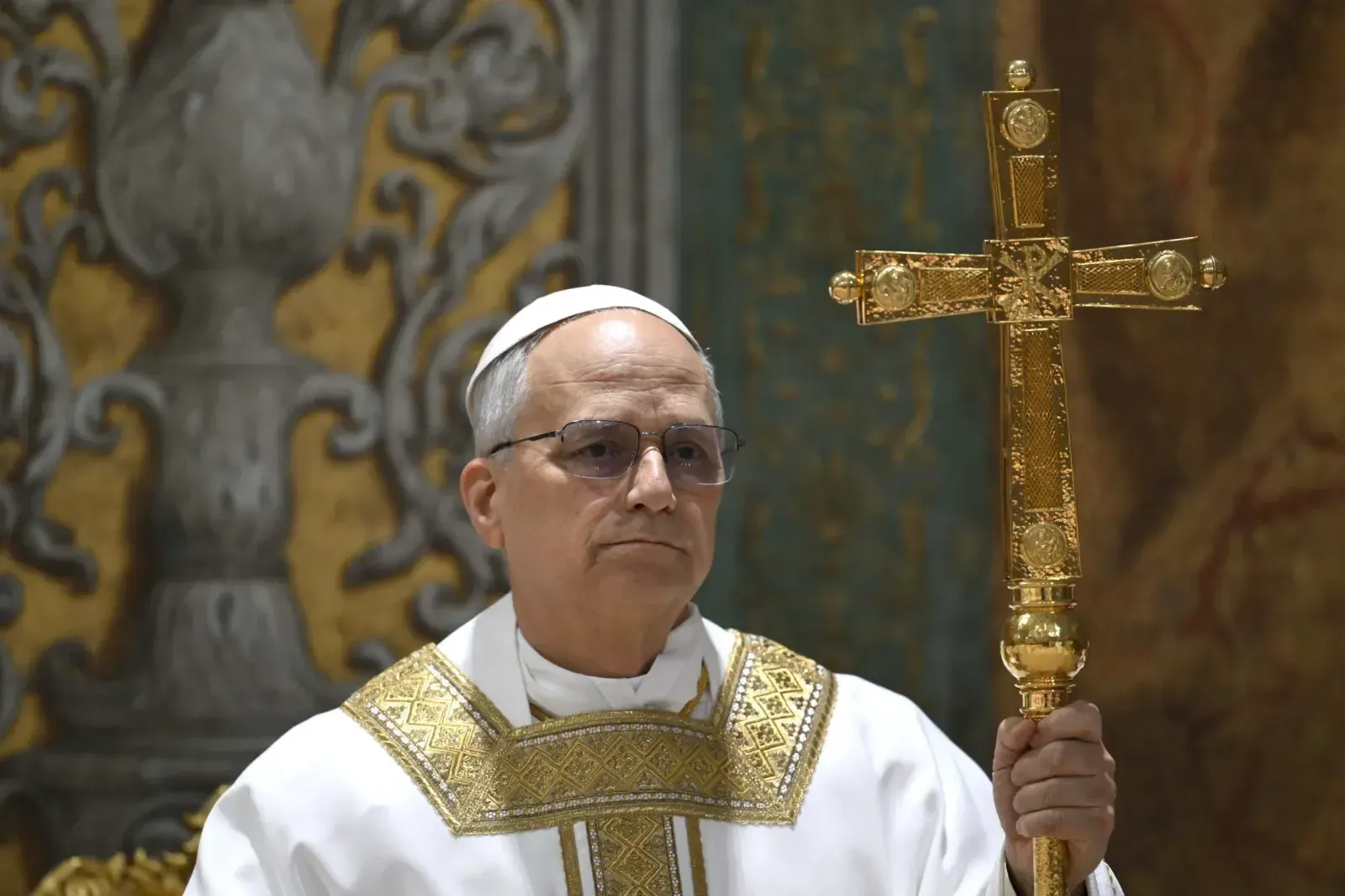
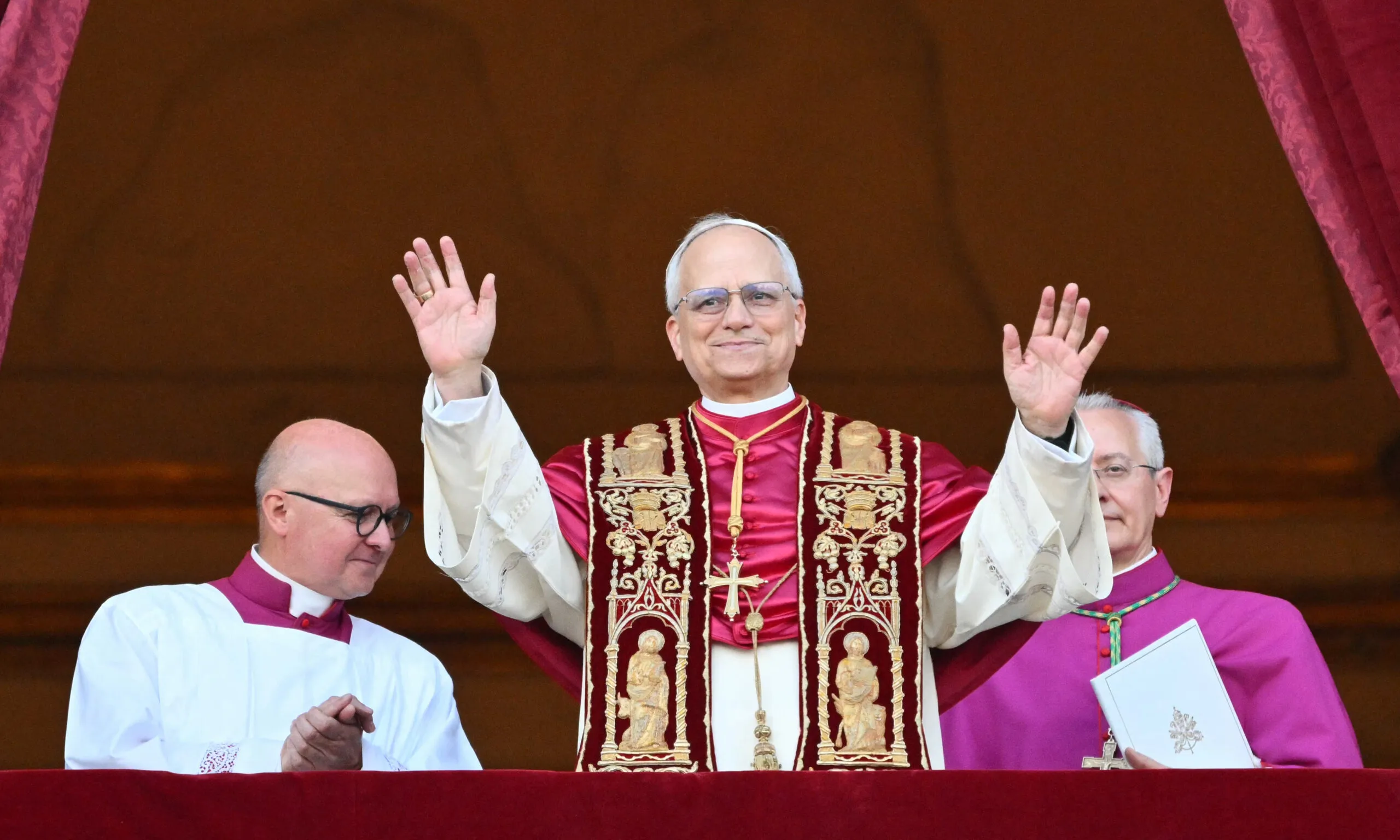
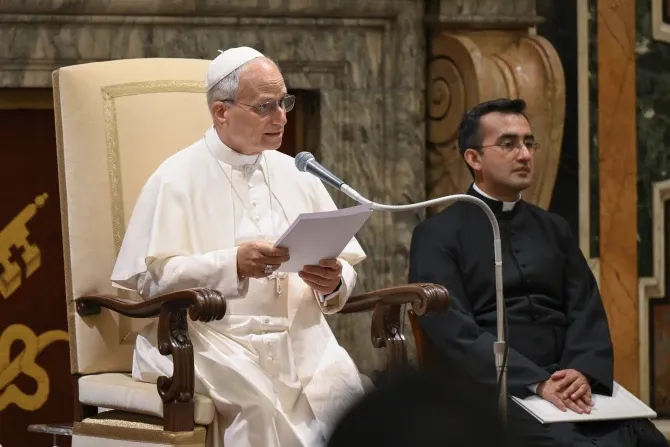
Pope Leo XIV used a public address to salute the Catholic Extension Society for sustaining parish life far from major diocesan centers, and he framed the work as a practical test of pastoral closeness. In the middle of the remarks, pope leo xiv consistory language emphasized that evangelization must travel with charity, not only with plans and budgets, and aides described the tone as direct and pastoral. Today, officials said the message was shaped for communities where priests cover vast distances and catechists carry much of the daily ministry. Live reactions from extension leaders highlighted how consistent funding keeps sacraments accessible when local resources are thin. The pope closed by urging prayer that produces concrete service.
The Impact of Missionary Work in Remote Areas
Mission outreach was described in immediate, on the ground terms, with emphasis on how a single stable parish can anchor schools, clinics, and food programs when civic services are limited. In a Live briefing that followed, Vatican communicators pointed to Pope Leo XIV’s encouragement for accompaniment that respects local cultures while teaching the faith clearly. An Update on the speech was published by Vatican News coverage of the Catholic Extension Society address, which summarized his call to keep bringing Christ to places that rarely see sustained pastoral visits. Today, organizers said they are prioritizing travel, formation, and housing so clergy can remain present for longer stretches. The focus remained on measurable presence, not symbolic trips.
Historical Context of the Catholic Extension Society
The Society’s current agenda was presented as rooted in a long record of building Catholic infrastructure in areas with sparse populations and limited donor bases. For context, leaders pointed readers to NFTs Today: What They Are, Where They Trade, Why as an example of how modern fundraising narratives can distract from mission basics if not handled carefully. Midway through the briefing, pope leo xiv consistory references were cited as a reminder that institutional memory matters when a project spans generations rather than election cycles. Live discussion among church administrators stressed continuity: keeping parish registers, training lay leaders, and maintaining chapels so communities do not restart from zero after every personnel change. An Update from organizers said archival records are being digitized to improve accountability.
Current Challenges Facing the Mission
Operational constraints dominated the present tense conversation, especially the cost of travel, insurance, and reliable communications in difficult terrain. Leaders also acknowledged the pressure of clergy shortages, with some regions relying on rotating sacramental schedules that can leave families waiting weeks for baptisms or funerals. Today, church staff pointed to the need for security planning in fragile settings, and the Vatican’s wider diplomacy was mentioned as part of the context for protecting humanitarian corridors. Live readers following related coverage were directed to Gallagher in Cape Verde on Vatican peace diplomacy for background on how the Holy See frames access and protection for vulnerable communities. An Update from mission managers said they are standardizing safeguarding training for volunteers.
Future Prospects and Development of Outreach Efforts
Planning for the next cycle centered on formation and retention, with leaders describing how long term presence requires stable housing, predictable stipends, and local leadership pipelines that survive staff turnover. Pope Leo XIV’s team linked the Society’s priorities to a broader pastoral program, including public devotions and teaching moments such as pope leo xiv via crucis services that connect suffering communities with the Church’s prayer. Today, coordinators said they are expanding regional training hubs so catechists can study closer to home, and they highlighted transparent reporting as the condition for new donors. Live coordination calls are being scheduled more frequently to reduce logistical delays and to speed approvals for repairs after storms. An Update from organizers said the next grants will favor projects that combine sacramental access with education and basic health support.