

Pope Leo XIV 1982: What the 1982 Reference Means
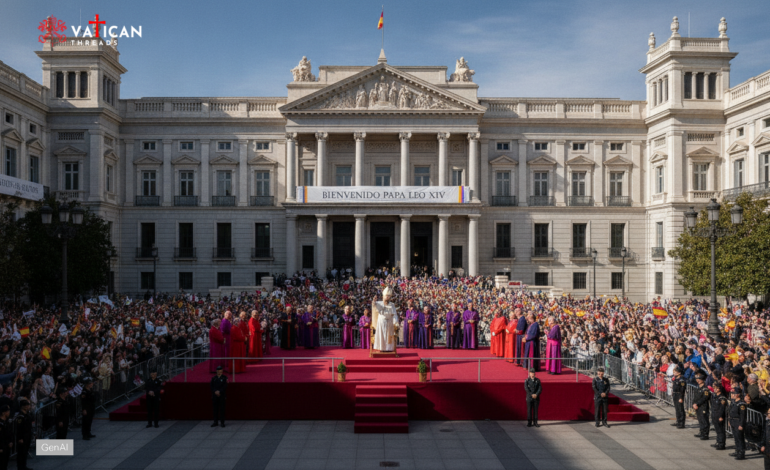
In Madrid in June 2026, Pope Leo XIV reportedly addressed Spain’s parliament and, according to accounts of the visit, anchored one passage to pope leo xiv 1982, a shorthand reference he used to point lawmakers back to a specific moment of democratic consolidation. In summaries of the address, the year was presented as a memory check for public institutions—how a society protects pluralism, safeguards rights, and avoids turning politics into a zero-sum contest. Rather than treating the reference as a slogan, those same summaries describe the message as linking historical memory to practical virtues expected of legislators, such as restraint and respect for conscience. The reference is also described as supporting a wider point often associated with Vatican public messaging: faith language can enter public life without requiring confessional law.
Why Pope Leo XIV Cited 1982 in a Parliamentary Setting
Spanish organizers and media coverage reportedly billed the intervention as historic because it placed Catholic social teaching inside a secular legislative venue under constitutional protocol; however, specific protocol wording and the full framing vary by outlet. In that telling, citing pope leo xiv 1982 signaled that historical memory can be used to test today’s arguments, not to reopen old fights. Vatican News framed his Spain itinerary as an appeal to nurture love so that hatred yields to peace, a theme also heard in Madrid; see Pope in Montserrat: Nurture love so that hatred may give way to peace. For broader background on the trip’s priorities, Pope Leo XIV Consistory Signals Spain Visit Priorities outlines the themes Vatican watchers expected to surface in public remarks.
What Happened in the Madrid Session and Who Was Involved
Based on reporting and commentary around the appearance, the chamber heard a tightly structured address that emphasized legislative work as moral stewardship rather than party contest, and it reportedly avoided endorsing any specific bill, committee vote, or coalition plan. Officials and observers were quoted or paraphrased in some accounts as noting that the pope leo xiv 1982 reference appeared mid-speech as a bridge between past civic lessons and present responsibility, though the exact phrasing is not consistently reproduced in the available summaries. The Pope’s language was described as emphasizing dignity, social cohesion, and protections for vulnerable people across ideological lines; commentary around the appearance also linked the moment to contemporaneous policy pressures shaping social debates in Europe, including the fiscal environment described in EU budget 2027: Commission floats €200bn plan.
Reactions: How Lawmakers Interpreted the 1982 Reference
As indicated by available reports, reactions in the chamber reportedly split along familiar political lines, although most descriptions are interpretive rather than based on a full transcript of every response. Some supporters described the 1982 reference—often summarized as pope leo xiv 1982 in coverage—as a reminder that democratic habits are learned and maintained, especially when public trust is strained. Skeptical voices, as paraphrased in commentary, argued that historical analogies can be elastic even when presented as moral reflection rather than policy instruction, and church-side commentary focused on whether the address matched Pope Leo XIV’s approach to consultation and governance, including themes discussed in Inclusive Church Governance: Pope Leo XIV Symposium.
What It Changes Next for Spain and the Vatican
The near-term impact is described by observers as less about immediate legislative change and more about whether this appearance normalizes structured encounters between religious leaders and democratic institutions under clear constitutional rules. Some analysts expect the shorthand pope leo xiv 1982 to be reused by both supporters and critics as a compact way to argue over how historical memory should inform lawmaking in a plural society, but that expectation remains speculative. Diplomatically, coverage generally portrayed the event as reinforcing an existing working relationship focused on social policy, migration, and conflict mediation, without any reported changes to treaties or the announcement of new bilateral mechanisms. Analysts following the parliamentary calendar cautioned that any measurable effect would likely be indirect—showing up in rhetoric and framing rather than roll-call results.