
Vatican Dicastery Armin Luistro and the June 2026 Reply
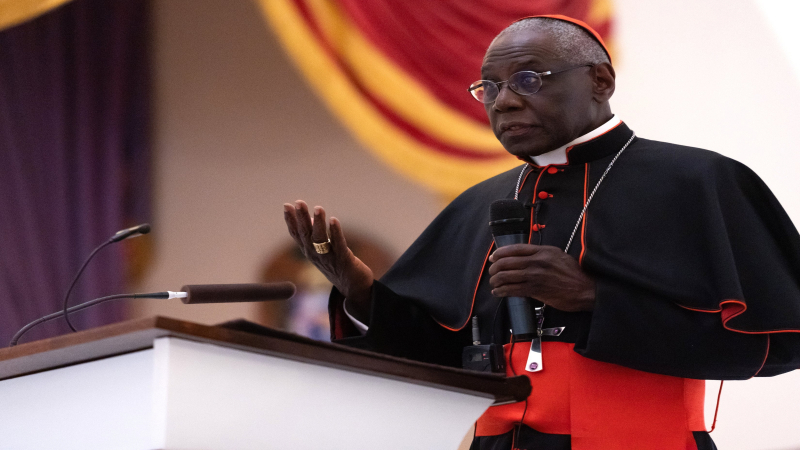
The Vatican Dicastery for Divine Worship and the Discipline of the Sacraments issued a published response in June 2026 reaffirming that the homily during Mass is reserved to an ordained minister, as indicated by reports from Vatican News. Because the prefect signed the response, the dicastery’s leadership, including Armin Luistro, became a reference point in coverage of the decision. The clarification came in reply to a question linked to Germany and was presented as a restatement of existing liturgical law, not a change of policy, as described in that account. The text distinguishes between the homily that follows the readings within Mass and other forms of reflection that can occur outside the Eucharistic celebration.
What the Dicastery Says About Who May Preach at Mass
In the reply reported by https://www.vaticannews.va/en/vatican-city/news/2026-06/vatican-dicastery-liturgy-sacraments-response-german-request.html, the dicastery emphasizes that a layperson cannot deliver the homily in place of a bishop, priest, or deacon. It treats the homily as part of the liturgy itself, tied to ordained ministry within the celebration, rather than as an interchangeable talk. For related Vatican scheduling and governance context, see Pope Leo XIV Consistory timetable set by Vatican. That framing is meant to protect the integrity of the Mass and keep roles clear when pastoral experiments propose trained lay preaching. A separate, unrelated example of clarifying roles in another regulatory system appears in How non-fungible tokens work in crypto markets.
German Bishops Context and the Practical Implications
The immediate trigger was a request associated with the German Bishops seeking room for trained lay preaching during Eucharistic celebrations, as summarized in the Vatican News account. Vatican Dicastery Armin Luistro has been cited in headlines and social posts because the dicastery’s leadership is treated as the institutional voice behind the clarification. For broader reform and consultation dynamics in Rome, see Synod Assemblies: Rome meeting charts 2027 plans. The response draws a boundary between catechetical or testimonial reflections and the homily that follows the readings in Mass. In practice, the clarification narrows options inside the liturgy while leaving room for other settings, such as missions, catechesis, and parish gatherings, where lay formation and exhortation can still be offered. It also signals that local initiatives touching sacramental structure must align with Rome’s interpretation.
Why Ordained Preaching Remains a Stable Liturgical Norm
The dicastery’s reasoning is grounded in the long-standing link between ordained ministry and public liturgical preaching, treating the homily as an exercise of teaching within a sacramental act, as characterized in the Vatican News summary. Readers tracking other official Vatican communications may compare the institutional tone with items such as Pope Leo XIV Technology Message Urges Responsible Use, which likewise sets boundaries while encouraging wider participation in mission. This approach prioritizes continuity, arguing that the sign value of ordained preaching helps the assembly understand the Eucharist and the ministerial roles present at Mass. By framing the issue as discipline and liturgical law, the dicastery positions the rule as a safeguard rather than a restriction on lay apostolate in general.
What This Means for Parishes and for Armin Luistro Coverage
For parish communities that rely heavily on lay formation and leadership, the June 2026 clarification will likely redirect energy toward preaching and testimony outside Mass rather than eliminate lay proclamation altogether, based on how the Vatican News report frames the distinction. Vatican Dicastery Armin Luistro remains part of the public framing because attention tends to follow the dicastery’s senior leadership when official replies circulate, even when the substance is presented as reaffirming an existing norm. Future dialogue, if it develops, will need to address pastoral needs while keeping the homily’s liturgical definition intact under the dicastery’s interpretation.