



Pope’s Message on Chernobyl Anniversary
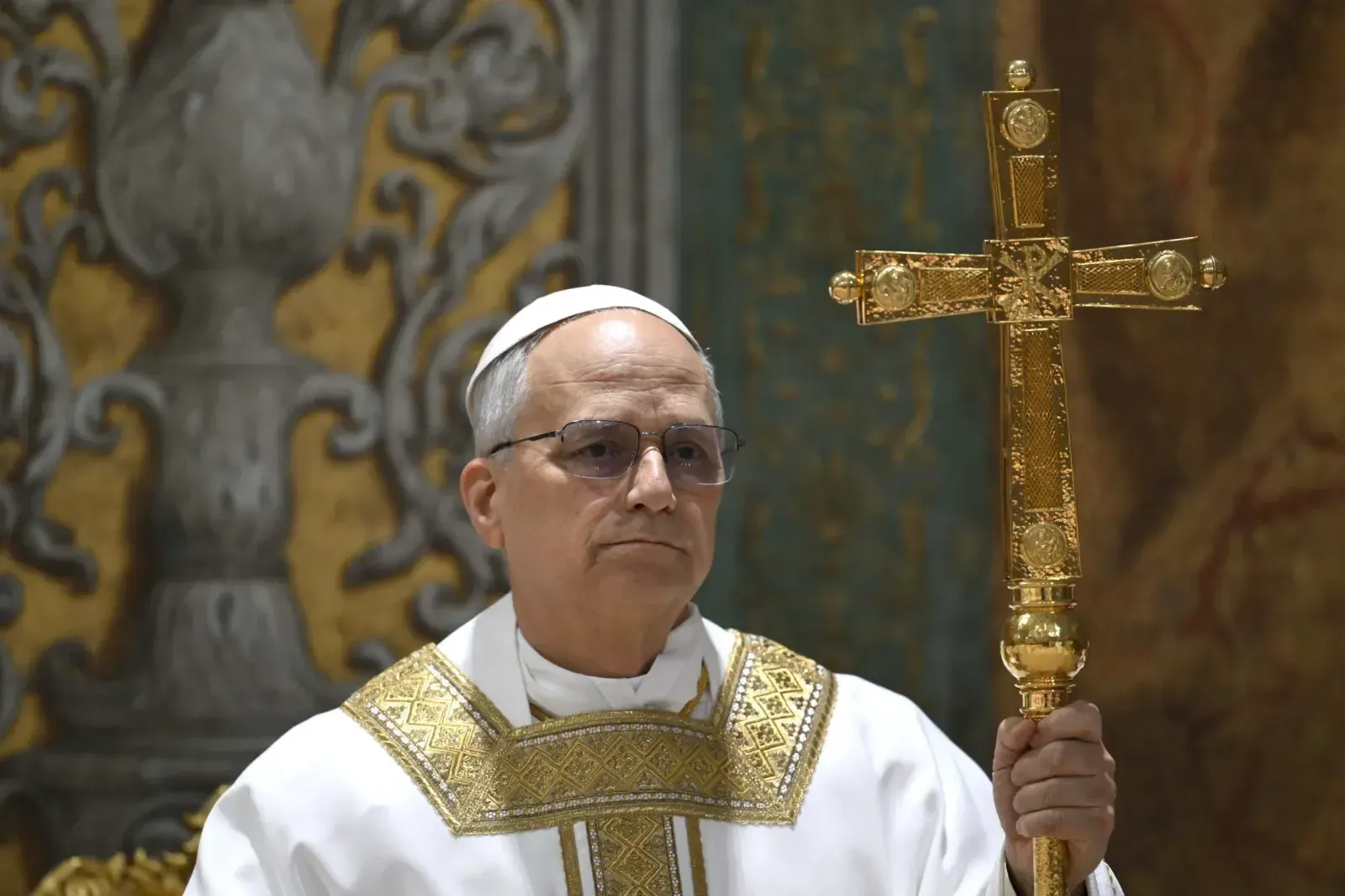
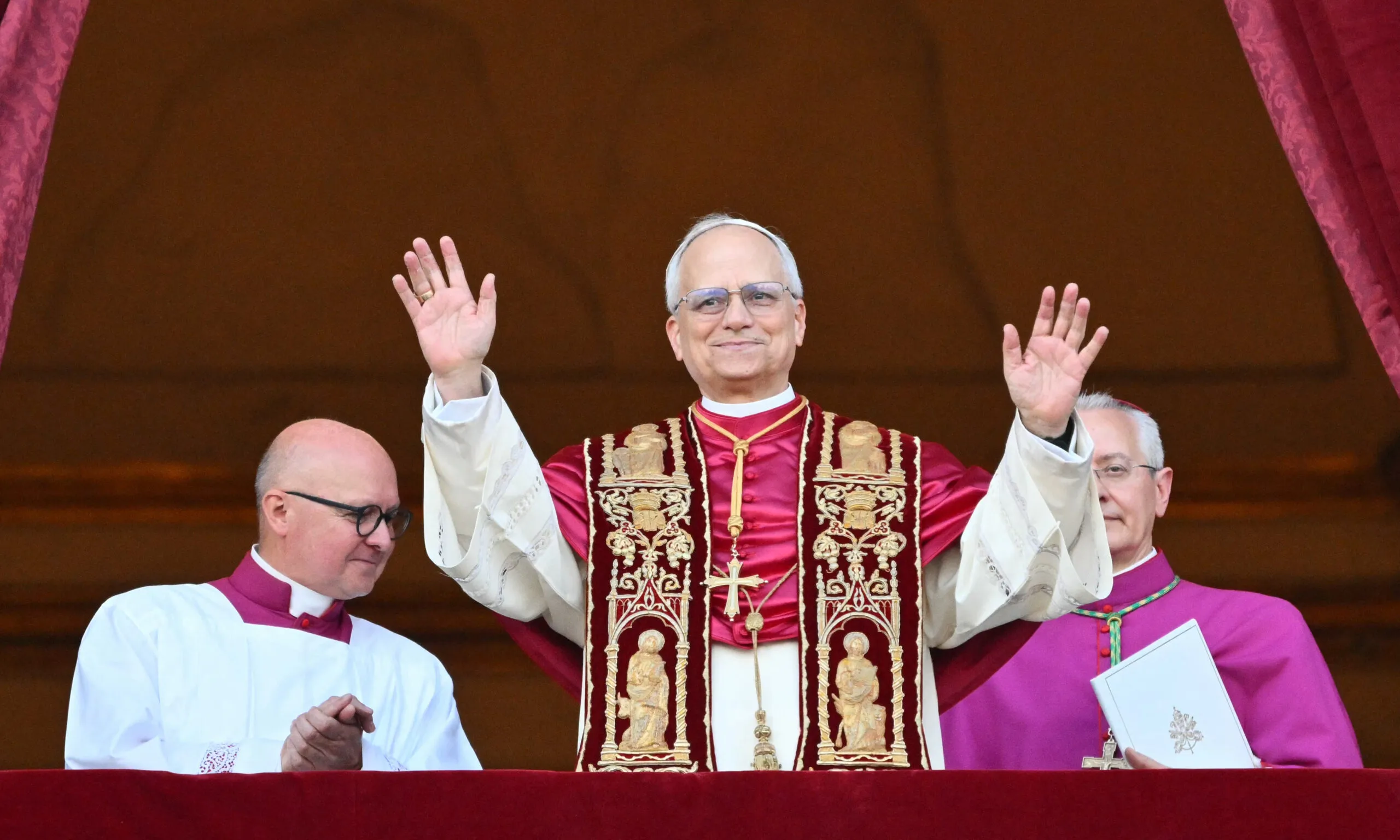
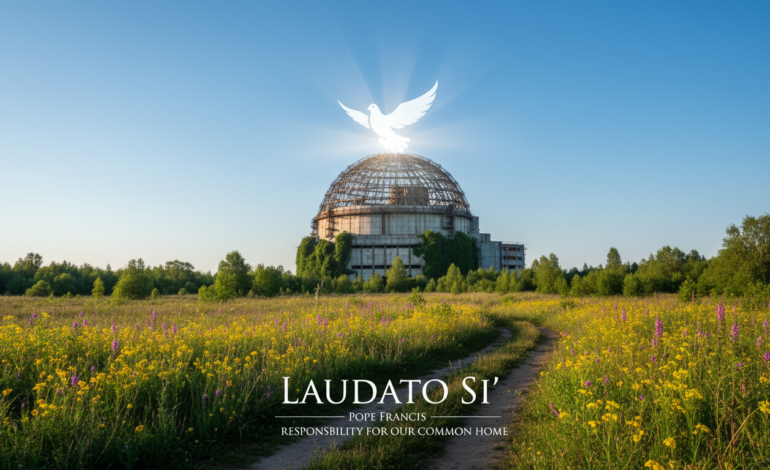
Pope Leo XIV marked the Chernobyl anniversary with a renewed appeal for restraint and accountability in energy policy. Vatican officials framed the moment as a moral reminder that technology must serve human dignity, not power politics, and he urged that peaceful nuclear energy be pursued only within enforceable safety culture and transparent governance. In remarks circulated by Vatican media, his message is being treated in Rome today as a policy signal aimed at diplomats as much as the faithful, and aides said the Vatican intends ongoing engagement. The Pope also called for an Update on international commitments that protect civilians during conflict and in peacetime infrastructure planning.
Historical Context of Chernobyl Disaster
The Pope linked the anniversary to concrete lessons that regulators can verify and enforce, rather than to symbolism alone. The International Atomic Energy Agency has documented how the 1986 Chernobyl accident reshaped global norms on reactor safety, emergency response, and cross border notification, and Vatican reporting on the Holy See’s diplomatic contacts has emphasized risk reduction and civil protection, including a related brief on Pope Leo speaks with the President of the European Council. Live coverage from European public broadcasters today has highlighted memorial events and renewed debates over long term stewardship of contaminated zones. A separate regional Update from civic authorities focused on education and preparedness for communities still shaped by the disaster.
The Role of Nuclear Energy in Modern Society
Energy ministries across Europe are balancing decarbonization targets with public expectations for safety, and the Vatican is pressing for moral clarity in that debate. In his anniversary framing, Pope Leo XIV argued that peaceful use of nuclear energy must never be separated from strict inspection regimes, worker protections, and credible emergency planning. Today, several national regulators are pointing to stress tests and peer reviews as baseline measures, while civil society groups demand clearer disclosure of incidents and near misses. Live policy discussions in Brussels and national capitals have centered on whether new reactor designs can reduce accident pathways without lowering oversight, and the Vatican asked for an Update that foregrounds victims and frontline responders, not just megawatts.
Papal Advocacy for Peace and Responsibility
Vatican diplomats say the pontiff is positioning the Church as a bridge between technical institutions and ethical imperatives, especially where nuclear questions intersect with security tensions. He emphasized that peaceful uses of nuclear energy require a culture of responsibility that rejects secrecy and treats transparency as a duty to neighbors, and readers have also tracked broader international tensions through Ukraine alleges Israel received grain from Russia, as Vatican observers argue that trust and verification matter in every domain. Today, the Holy See is also amplifying related themes of protection for children and displaced families, linking environmental harms with humanitarian fallout. An editorial Update from Vatican watchers noted the Pope’s consistent focus on de escalation and civilian protection.
Global Reactions and Future Implications
Government spokespeople and church leaders are interpreting the Vatican message as a call for standards that can be audited, not slogans that fade after commemorations. The focus, they say, is on governance that reduces the likelihood of catastrophic failure and ensures communities receive timely information during crises, and the Vatican also pointed readers toward its continuing social ministry work via Pope Ordains Priests, Urges a Welcoming Church. In Rome, aides stressed that peaceful nuclear energy is being presented as permissible only when the public interest is demonstrably protected, and when oversight bodies are independent and resourced. Today, several Catholic policy institutes echoed that stance in Live briefings that highlighted safety culture, liability frameworks, and cross border coordination. A final Update from church communicators signaled more diplomatic outreach tied to nuclear risk reduction.