




Vatican’s New Ecological Guidelines Unveiled
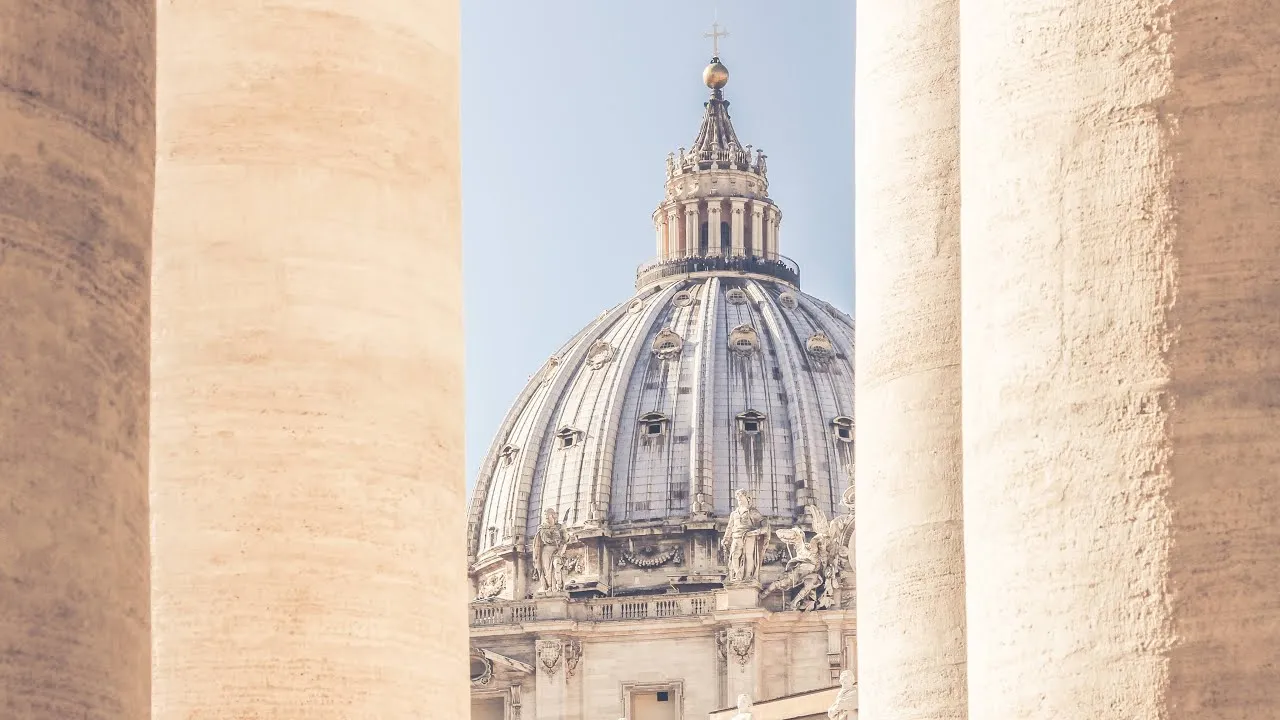
The Vatican has released a new text aimed at shaping household choices around care for creation and human dignity, positioning families as the primary place where habits are formed. In the document, integral ecology is presented as a practical framework for domestic decision making rather than a slogan, and the guidance is written to be used at the kitchen table as much as in parish programs. Today the release is being treated in Rome as a pastoral intervention, not a technical policy note, with language that ties spiritual formation to consumption, waste, and solidarity. Live discussion among Catholic educators has focused on how the text translates moral principles into concrete family guidelines. The first Update from Vatican media framed the publication as a tool for ongoing catechesis.
Impact on Family Life and Daily Practices
The Vatican document describes family guidelines that touch energy use, food choices, and the way households talk about human dignity when confronting poverty or displacement. In its initial coverage, the Vatican News report on the family ecology document highlights how the text links daily routines to a wider moral horizon, including the protection of vulnerable people and local environments. Live reaction within diocesan family offices has centered on whether parish marriage preparation can integrate these themes without becoming ideological. Today many Catholic schools are also weighing how to align service projects with household practice. A separate financial-news item drew attention online through Bitcoin Shorts Put $1.4B at Risk of a Squeeze Now, prompting some commentators to contrast market volatility with the document’s steadier call to restraint. The Update from several bishops’ conferences has emphasized parental example over rhetoric.
Theological Basis for Integral Ecology
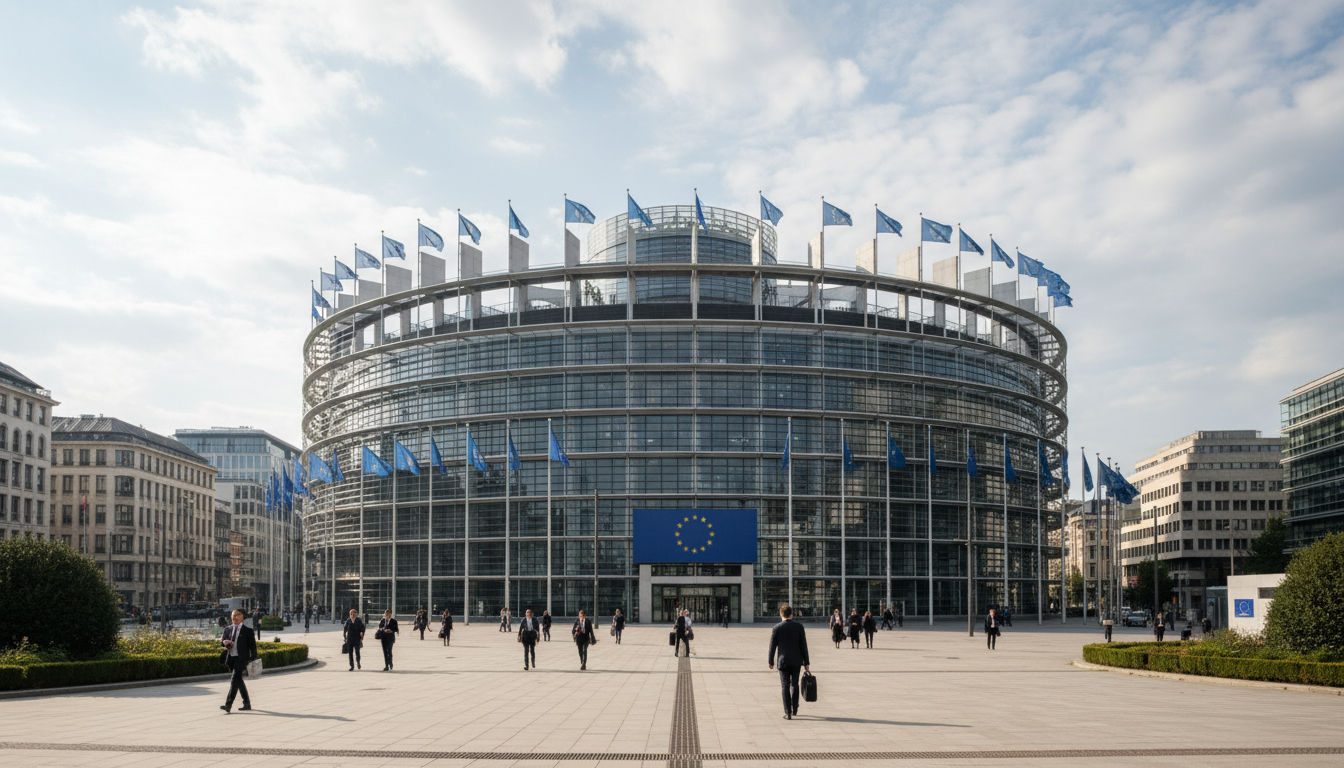
The text grounds its approach in Catholic social teaching and in Laudato si, arguing that environmental concern cannot be detached from the defense of life, work, and community. The central theological claim is that integral ecology reflects a unified moral vision, where relationships with God, neighbor, and the natural world reinforce each other in ordinary family decisions. Vatican officials presenting the document have pointed to the need for coherent formation, especially when families face polarized public debates about climate, migration, and economic inequality. Today theologians have noted that the document’s tone resembles pastoral accompaniment more than juridical instruction, while still insisting on moral responsibility. Live commentary from Catholic universities has focused on how the text treats conscience formation as a shared household task. For related Vatican leadership context, readers have followed Pope Leo XIV talks Middle East with EU Council as another example of the Holy See framing global issues through human dignity. The latest Update underscores continuity with earlier teaching rather than novelty.
Reactions from Catholic Families Worldwide
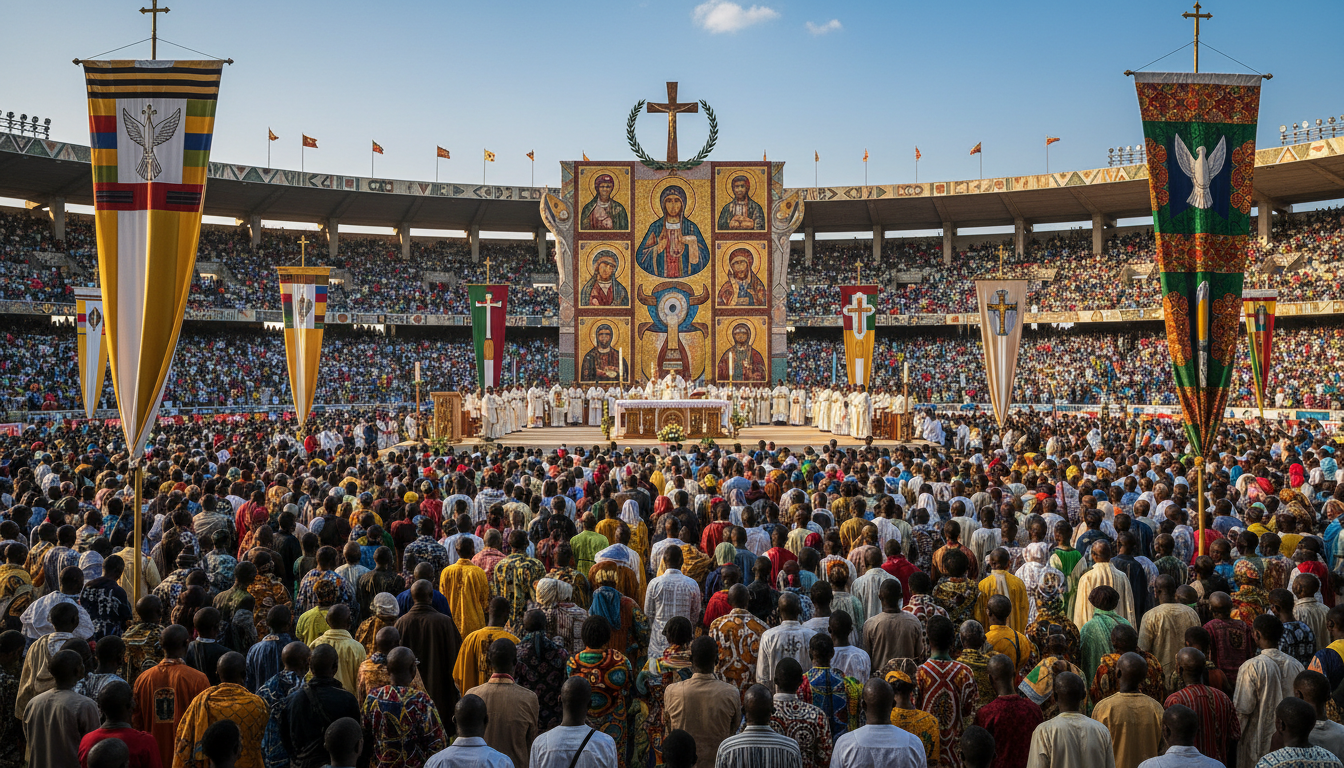
Family associations and parish networks are responding with a mix of enthusiasm and careful scrutiny, especially where economic pressure makes lifestyle shifts difficult. Today several Catholic parenting groups have shared practical reflections on balancing cost, convenience, and the document’s emphasis on virtue, and they have asked local pastors to interpret the guidance in culturally realistic ways. Live conversations in Latin America and parts of Africa have highlighted water access and sanitation as the most immediate point of contact with the text’s themes, while families in wealthier cities are focusing on consumption and waste. Vatican communicators have stressed that the document does not impose uniform solutions, but calls for discernment shaped by solidarity. An Update from Catholic charities has also linked the message to existing programs that support displaced families and promote dignified work, presenting household action as inseparable from communal responsibility.
Future Implications and Developments
Church officials expect the document to be folded into diocesan family ministry, school curricula, and parish formation over the coming months, with an emphasis on measurable habits rather than abstract commitments. Today the immediate next step is translation and local dissemination, and Vatican communicators have indicated that implementation will rely on bishops’ conferences and Catholic educators to adapt language to regional realities. Live monitoring of reception is likely to focus on whether the guidance strengthens family resilience instead of adding moral burden, particularly for low income households facing energy and food insecurity. The most significant Update will be whether future pastoral resources offer examples that connect household budgeting, care for creation, and charitable outreach without treating any one issue in isolation. In the Vatican’s current messaging, the document is meant to hold together spiritual formation and public responsibility, with families positioned as the first school of ecological conversion.