




Safeguarding minors in Missionary formation
According to a July 2026 Vatican News report on the Missionaries of Africa’s formation work, the congregation reinforced its approach to abuse prevention and expanded formation that treats safeguarding minors as a daily pastoral responsibility. Rather than framing protection as paperwork, the program is presented as linking protection to supervision, boundaries, and accountable decisions wherever children and vulnerable persons are present. In the same reporting, leaders emphasized that prevention depends on consistent conduct, clear expectations, and transparent reporting routes intended to be used without fear or confusion. The effort is also described as aiming to support victims and communities by reducing harm through earlier recognition of concerns and a disciplined response. Overall, the training is framed as focusing on competence, documentation, and credible oversight.
Ghana workshop: practical skills and reporting rules
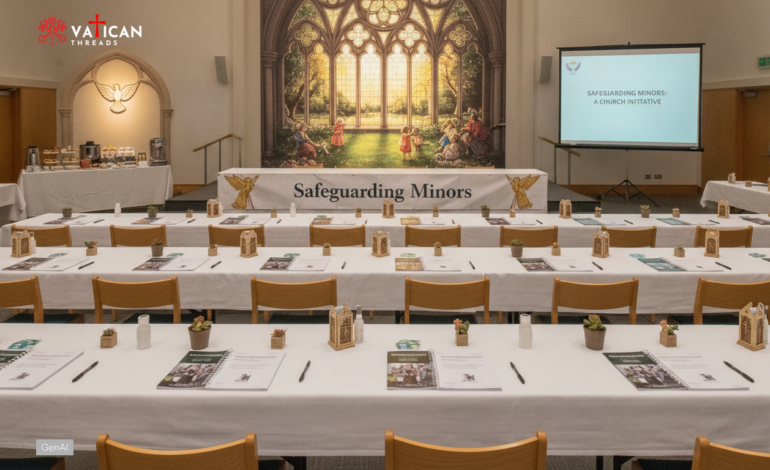
The latest Church workshops, reported by Vatican News from Ghana, focused on shared procedures and a common language for early intervention as part of safeguarding minors and vulnerable persons. Participants, as described by Vatican News, worked through scenario based training on recognizing grooming patterns, responding to disclosures carefully, and avoiding actions that could distort testimony. Facilitators also reportedly stressed confidentiality limits, timely note taking, and when to escalate concerns. Vatican News covered the sessions in The Missionaries of Africa Pursue their Commitment to Fostering a Culture of Safeguarding for Minors and Vulnerable Persons. For a separate example of how clear reporting steps reduce confusion, see NFT Fraud Risks: How to Spot, Prevent, and Report Scams.
How the training changes day to day Church practice
In practice, such training can shift communities from relying on informal judgment toward more routine checks in parish activities, schools, and youth programs. According to Vatican News, the Missionaries of Africa suggested the training is intended to standardize how personnel assess risk, share information responsibly, and refer concerns to competent authorities when required by policy or law. This approach may reshape governance by clarifying roles for superiors, formators, and pastoral teams, as well as expectations for volunteers. Related efforts to define responsibilities in Church administration are discussed in Vicariate of Rome Constitution Revised by Pope Leo XIV. It can also affect record keeping, travel supervision, and decisions about digital communication with minors.
Why consistent safeguarding standards matter across borders
Because the congregation serves in multiple countries, consistent standards can make cross border ministry easier to audit and safer to manage. Vatican News described the Ghana sessions as part of a wider Church effort to align pastoral care with defensible safeguarding systems, particularly in ministries connected to schools, shelters, and displaced families. The connection between leadership habits and protective culture is echoed in Archbishop Sipuka reflects on leadership and the Church’s mission after pallium investiture and in Archbishop Sipuka Leadership After the Pallium Rite. When expectations are consistent, local communities may recognize warning signs sooner and understand what steps follow a report. This can strengthen credibility, since trust depends on demonstrable prevention and accountable leadership rather than statements alone.
Next steps for sustained child protection
Next steps center on sustaining the training cycle, checking compliance, and keeping procedures usable for non specialists in parish life. Vatican News indicated the congregation plans continuing formation for new members and refresher sessions so practices do not drift into informal routines over time, with safeguarding minors remaining a recurring part of formation. Priorities include reviewing case handling protocols, ensuring referral pathways are widely known, and maintaining clear boundaries for in person and digital communication. Long term credibility also depends on accurate documentation and transparent cooperation with lawful authorities when allegations arise, consistent with local legal requirements. Continued investment in trainers, translated materials, and supervision is intended to keep prevention effective and verifiable.